


Listen to the article
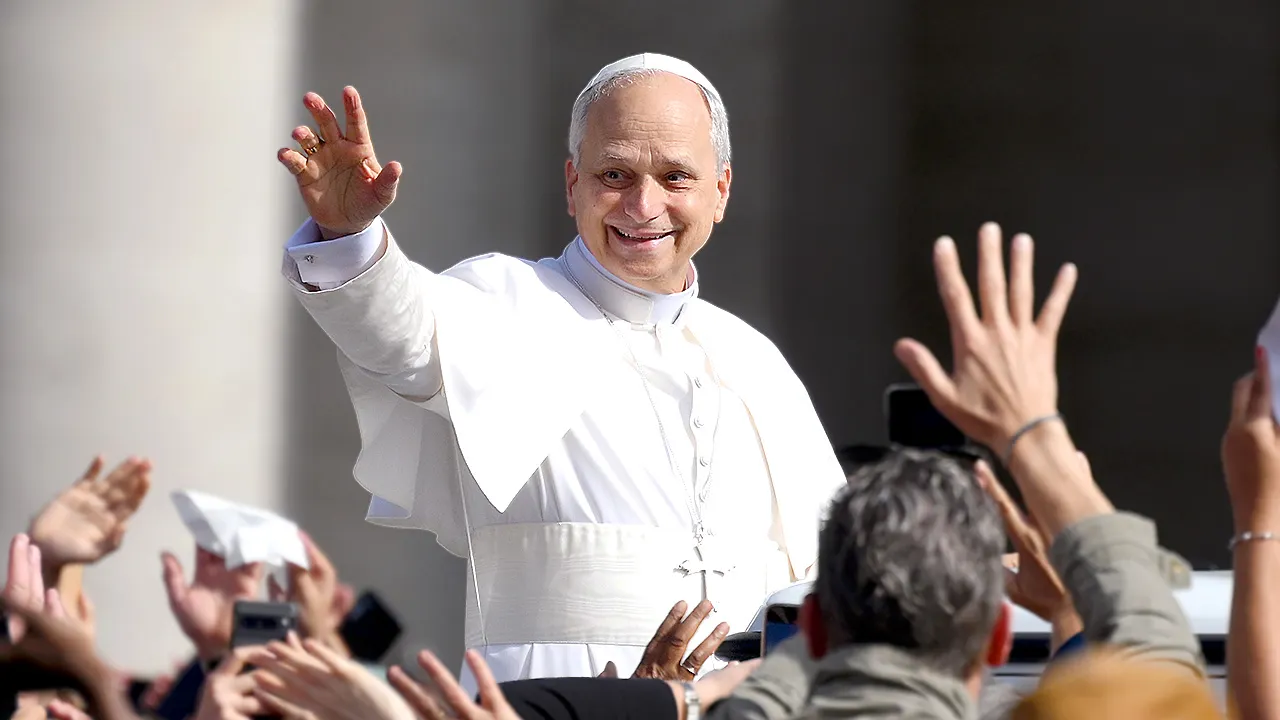
Pope Leo XIV concluded the Catholic Church’s Holy Year on Tuesday with a powerful call to Christians worldwide to embrace compassion for those in need and show kindness toward foreigners. During a solemn ceremony at the Vatican, the pontiff reflected on the spiritual significance of the jubilee year that drew a record 33.5 million pilgrims to Rome.
“Around us, a distorted economy tries to profit from everything,” Leo said during the closing ceremony. “After this year, will we be better able to recognize a pilgrim in the visitor, a seeker in the stranger, a neighbor in the foreigner?”
The pope’s message reinforced his consistent advocacy for immigrants throughout his papacy. His remarks highlighted concerns about economic systems that reduce human beings to commodities, urging the faithful to resist such dehumanization.
The official end of the Holy Year was marked when Pope Leo shut the special bronze door at St. Peter’s Basilica on Tuesday morning. This ceremonial closing carries deep symbolic meaning in Catholic tradition, representing the conclusion of a designated period of peace, forgiveness, and pardon.
Holy Years, also known as jubilees, typically occur every 25 years in the Catholic tradition. During these special observances, pilgrims can enter designated “Holy Doors” at four Rome basilicas and attend papal audiences, gaining spiritual benefits according to Catholic teaching. The next regular jubilee is not expected until 2033, which may hold special significance as it will mark approximately 2,000 years since the death of Jesus.
The 2025 jubilee represented a rare historical occurrence, as it was opened by the late Pope Francis, who died in April, and closed by Leo, who was elected in May as the first American pope in the Church’s history. According to Vatican historians, such a transition is unusual, with the last jubilee held under two different pontiffs occurring in 1700, when Pope Innocent XII opened the Holy Year that was later closed by Pope Clement XI.
Vatican and Italian officials reported that pilgrims for the 2025 jubilee came from 185 countries. The majority traveled from Italy, the United States, Spain, Brazil, and Poland, demonstrating the global reach and significance of the Catholic observance.
Throughout the Holy Year, Pope Leo has maintained many of his predecessor’s signature policies, including efforts to welcome gay Catholics and discussing previously controversial topics such as women’s ordination. His closing remarks on Tuesday echoed Pope Francis’s frequent criticisms of global economic systems that prioritize profit over human dignity.
“The markets turn human yearnings of seeking, traveling and beginning again into a mere business,” Leo warned.
The conclusion of the Holy Year comes at a challenging time for the global Catholic Church, which continues to navigate tensions between traditional teachings and calls for modernization. Pope Leo’s leadership has thus far represented a continuation of Francis’s more progressive approach to certain social issues, while maintaining doctrinal continuity on core Catholic beliefs.
Religious scholars note that jubilee years have historically served as opportunities for the Church to renew its spiritual focus and address contemporary challenges. Pope Leo’s emphasis on treating foreigners with dignity appears particularly relevant amid ongoing global migration crises and political debates over immigration policies in many countries, including his native United States.
As Catholics worldwide reflect on the spiritual significance of the concluded Holy Year, Pope Leo’s message serves as both a reminder of core Christian values and a challenge to apply those values in practical ways through service and compassion toward others.
Fact Checker
Verify the accuracy of this article using The Disinformation Commission analysis and real-time sources.

8 Comments
While the details of the Church’s Holy Year are not familiar to me, I appreciate the pope’s emphasis on resisting the dehumanization of economic systems. Treating people as mere commodities is a troubling trend that deserves more scrutiny.
Good point. The pope seems to be advocating for a more holistic, humane approach that recognizes the spiritual and social needs of individuals, not just their economic value. It’s an important perspective to consider.
Pope Leo’s call for kindness toward foreigners is a powerful reminder of the Church’s teachings on compassion and human dignity. It’s heartening to see the Catholic leadership taking such a strong stance on this important issue.
Agreed. The Holy Year is a time for reflection and spiritual renewal – Leo’s message encourages us to look beyond our own interests and see the inherent worth in all people, regardless of their background.
The numbers are quite remarkable – 33.5 million pilgrims visiting Rome for the Holy Year. That speaks to the continued significance of Catholic traditions and rituals for believers around the world. It will be interesting to see if this level of engagement can be sustained going forward.
It’s heartening to see the pope emphasizing the importance of welcoming and caring for foreigners and immigrants. In these divisive times, his message of compassion and inclusivity is a much-needed counterpoint to the often harsh rhetoric around these issues.
The closing of the bronze door at St. Peter’s Basilica is a powerful symbolic act. I wonder what the specific traditions and meaning behind this ceremony are? It would be interesting to learn more about the Catholic Church’s rituals and their significance.
From what I understand, the bronze door closing represents the conclusion of a period of grace, forgiveness and spiritual renewal. The ritual carries deep symbolic weight in the Catholic faith, marking the end of a designated holy year.