


Listen to the article
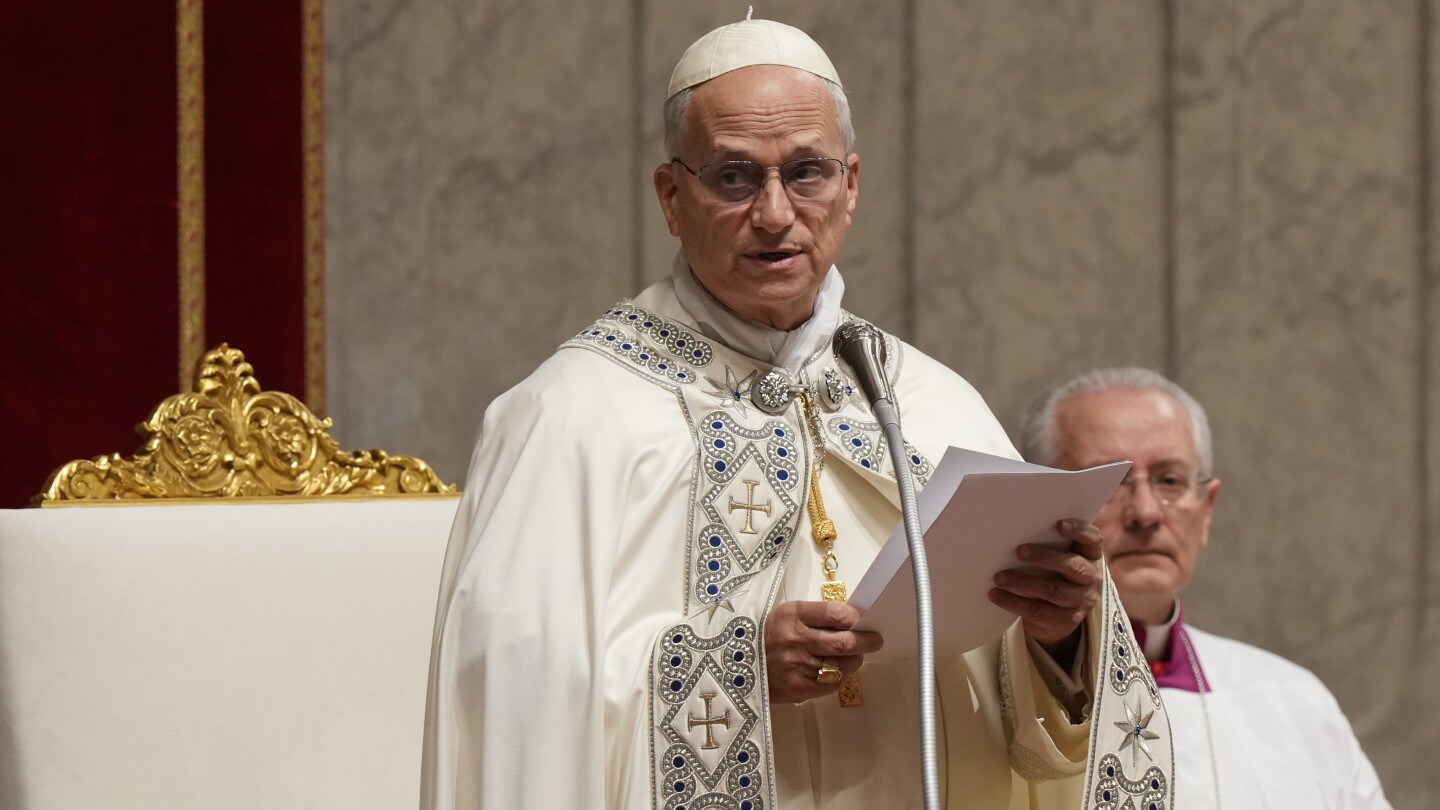
Pope Leo XIV called for Rome to be a more welcoming city for all people as he presided over New Year’s Eve vespers at St. Peter’s Basilica, reflecting on the conclusion of the momentous 2025 Holy Year.
In his homily, the pontiff expressed gratitude to the city and the numerous volunteers who helped manage the millions of pilgrims who traveled to Rome for the Jubilee, a significant Christian celebration held once every 25 years. The Pope specifically emphasized his vision for the Eternal City’s future.
“What can we wish for Rome? That it may be worthy of its little ones. Of children, of lonely and fragile elderly people, of families who struggle to get by, of men and women who have come from afar hoping for a dignified life,” Leo said, addressing an audience that included Rome Mayor Roberto Gualtieri and other dignitaries.
The 2025 Jubilee, which will officially conclude on January 6, represents a cornerstone of Catholic tradition. During this special year, pilgrims pass through the Holy Door at St. Peter’s Basilica, a ritual symbolizing the transition from sin to grace. The Vatican reported that 3.2 million people participated in various Vatican events throughout the year, including liturgies, audiences, and Jubilee celebrations.
Leo acknowledged his predecessor Pope Francis, who inaugurated the Holy Year on December 24, 2024, and had expressed similar aspirations for Rome to become more welcoming. “I would like it to be so again, and I would say even more so after this time of grace,” Leo remarked, building upon Francis’ vision.
The year 2025 has been particularly significant for the Catholic Church, marked by a historic transition of papal leadership. Following Pope Francis’ death in April, the College of Cardinals elected Leo XIV, making him the first pope from the United States in the Church’s two-thousand-year history.
Vatican statistics revealed interesting attendance patterns throughout the year. The first quarter saw relatively low numbers, attributed to Pope Francis’ extended hospitalization and declining health in his final months. However, following Leo’s election in May, participation in Vatican events increased substantially, demonstrating the renewed global interest in the Church under its new leadership.
The Holy Year tradition dates back to 1300 when Pope Boniface VIII declared the first Jubilee. Initially held every hundred years, the frequency was eventually adjusted to every 25 years, making it possible for most Catholics to experience at least one Jubilee in their lifetime. These special years are dedicated to forgiveness, reconciliation, and spiritual renewal.
For Rome itself, the 2025 Jubilee has represented both a spiritual milestone and a significant economic boost. The influx of pilgrims has supported local businesses, hotels, and restaurants, particularly welcome after years of pandemic-related tourism disruptions. City officials implemented extensive infrastructure improvements to accommodate the millions of visitors, including enhanced transportation systems and security measures.
As the Holy Year draws to a close, Pope Leo’s message emphasized not just spiritual reflection but also practical humanitarian concerns. His focus on the vulnerable – children, the elderly, struggling families, and immigrants – highlights the continued social mission of the Church under his leadership.
The Vatican’s communication about the Jubilee’s success represents an important metric for the new pontiff, who has been establishing his papal priorities since his historic election earlier this year.
Fact Checker
Verify the accuracy of this article using The Disinformation Commission analysis and real-time sources.

12 Comments
I’m curious to learn more about the specific initiatives or programs the city and the Church have implemented to support and integrate newcomers to Rome during this Jubilee year.
As a global capital, Rome must navigate complex challenges around immigration and integration. The Pope’s message seems to strike a thoughtful balance between upholding tradition and embracing change.
The reported 3.2 million participants in Vatican events during the Jubilee year is an impressive figure. I’d be interested to learn more about the economic and cultural impact this influx of pilgrims had on Rome.
Absolutely, the economic and social implications of hosting such a large-scale event are significant. It would be valuable to understand how the city managed the benefits and challenges.
The Jubilee tradition of passing through the Holy Door as a symbolic transition is a powerful ritual. I wonder how this resonates with both devout Catholics and those of other faiths or no faith at all.
That’s an interesting point. The spiritual significance may be most meaningful for Catholics, but the act of crossing a symbolic threshold could hold broader appeal as a moment of reflection and renewal.
It’s heartening to see the Church leadership emphasize compassion and inclusion during this major religious event. Fostering a welcoming environment is crucial for Rome’s diverse population and visitors.
The Pope’s emphasis on caring for children, the elderly, and struggling families is admirable. Promoting dignity and belonging for the most vulnerable is a noble vision for Rome and the Church.
Interesting to see the Pope emphasize welcoming foreigners as Rome closes out its 2025 Jubilee year. It’s a significant moment for the Catholic Church to reflect on inclusivity and compassion.
I agree, the Pope’s message seems timely and important. Fostering a spirit of openness and hospitality is crucial, especially for a global city like Rome.
The Jubilee year must have been an immense logistical challenge with millions of pilgrims visiting Rome. I’m curious to hear more about how the city and volunteers managed to accommodate everyone.
That’s a good point. Coordinating the influx of visitors while ensuring the city remains welcoming and accessible for all is no small feat. I wonder what lessons Rome has learned that could be applied elsewhere.