


Listen to the article
Philippine security forces killed 10 suspected Muslim militants during an intense firefight in the southern Philippines on Friday, marking the deadliest clash so far this year in the region’s ongoing struggle against separatist insurgents.
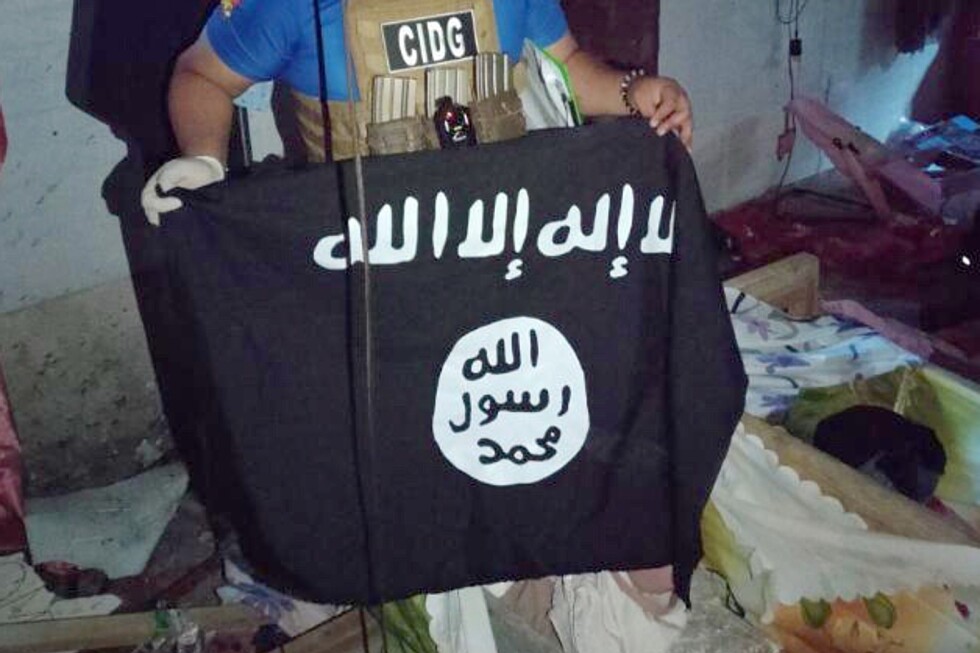
The confrontation erupted when members of Dawlah Islamiya-Maute, a Muslim separatist group known to have previously aligned with the Islamic State, opened fire on police and army personnel. The government forces were attempting to serve arrest warrants for the group’s commander, Amerol Mangoranca, who faced charges of murder and other serious crimes, according to Police Major General Robert Alexander Morico.
Mangoranca and nine other suspected militants, including four women, were killed during the hour-long gun battle in Marantao village in Lanao del Sur province. No casualties were reported among government forces. Military officials had previously linked Mangoranca to recent insurgent attacks, including a January ambush that claimed the lives of four soldiers in neighboring Lanao del Norte province.
“Our forces have struck a decisive blow and we will continue forward until enduring peace is fully secured,” said Army Major General Yegor Rey Barroquillo Jr., commander of the 1st Infantry Division. “It is justice served for every fallen soldier, every grieving family and every community that suffered under terror.”
Following the clash, security forces recovered four rifles, a pistol, a grenade, and bomb-making components. Military officials also reported that an infant found at the scene received medical treatment, though no further details were provided about the child’s condition or relationship to those involved in the fighting.
This violent encounter represents a continuation of reduced but persistent insurgent activity in the southern Philippines, which has historically been the homeland of the country’s Muslim minority in the predominantly Roman Catholic nation. The separatist violence has significantly decreased since 2014, when the region’s largest armed group, the Moro Islamic Liberation Front (MILF), signed a landmark Muslim autonomy agreement with the Philippine government.
The 2014 peace accord marked a turning point in a conflict that had claimed tens of thousands of lives—both combatants and civilians—over decades of fighting. The agreement also aimed to address the economic marginalization of the region, which despite being resource-rich contains some of the country’s most impoverished areas.
However, several smaller militant groups, including Dawlah Islamiya-Maute, rejected participation in the peace process and have continued to wage sporadic attacks in pursuit of a separate Muslim state. These holdout factions have maintained guerrilla operations across parts of Mindanao, complicating efforts to establish lasting stability in the region.
The Philippine military is simultaneously combating a decades-old communist insurgency, which has also been substantially weakened in recent years due to battlefield defeats, internal divisions, and fighter surrenders. This dual-front approach to counterinsurgency has stretched military resources but reflects the government’s commitment to resolving long-standing internal conflicts.
Security analysts note that while these splinter groups lack the size and capabilities of the former MILF forces, they remain dangerous and can exploit remote terrain and local grievances to sustain their operations. The continued presence of groups with historical ties to international terrorist organizations like the Islamic State also raises concerns about potential foreign influence and support networks.
Friday’s operation demonstrates the Philippine government’s ongoing determination to neutralize remaining armed threats in the south, while the broader peace process with mainstream former rebels continues to evolve through the implementation of expanded autonomy provisions for the Muslim-majority regions.
Fact Checker
Verify the accuracy of this article using The Disinformation Commission analysis and real-time sources.

16 Comments
The Philippine military’s decisive action against this militant group is understandable given the security threats they pose. However, the government must also address the underlying social and political grievances that fuel insurgency in the region.
The Philippine military seems to have scored a significant victory against this militant group, but the broader conflict remains a major concern. Sustainable peace will require addressing the root causes of separatist sentiment and extremism in the region.
You’re right, military force alone is unlikely to resolve this issue long-term. A comprehensive approach addressing socioeconomic factors and community engagement is needed for lasting stability.
This clash underscores the volatile security environment in parts of the southern Philippines. Tackling militant groups like this one is important, but the government must also address the underlying political, social, and economic factors that drive extremism and separatist sentiment in the region.
Absolutely, a comprehensive approach that combines effective security operations with inclusive governance and development initiatives will be crucial to achieving lasting peace and stability in the southern Philippines.
This clash underscores the fragile security situation in parts of the southern Philippines. I hope the authorities can build on this operation to further disrupt militant networks and create conditions for sustainable stability and development in the region.
Agreed, a holistic strategy combining security, governance, and economic initiatives will be essential to addressing the deep-rooted drivers of conflict in this area.
While the elimination of this militant leader is a tactical win, the Philippine government must remain vigilant against the persistent threat of insurgency in the south. Addressing the region’s complex social and political dynamics will be crucial to achieving lasting peace.
This incident highlights the ongoing challenges the Philippine government faces in countering militant groups and separatist movements in the south. Establishing lasting peace will require a multifaceted approach that combines effective security operations with inclusive political and economic reforms.
Well said. A comprehensive strategy focused on improving governance, reducing inequality, and fostering community engagement will be critical to achieving sustainable stability in the region.
The fight against terrorism and separatist movements is a difficult challenge for the Philippine government. Strengthening security and targeting high-profile militant leaders may be necessary, but care must be taken to avoid harming innocent civilians.
You raise a fair point. Maintaining public safety while upholding human rights is a delicate balance that requires nuanced policies and community engagement.
This clash highlights the ongoing instability and violence in parts of the southern Philippines. I hope the military’s actions against this militant group lead to a more peaceful and secure environment for local residents.
Tragic situation in the southern Philippines. Violence and conflict between government forces and militant groups continues to impact the region. I hope authorities can find a peaceful resolution that protects civilian lives and upholds the rule of law.
Agreed, the loss of life is deeply concerning. Authorities must balance security needs with respect for human rights as they address this complex insurgency.
While the military’s success in neutralizing this militant leader is noteworthy, the broader conflict in the southern Philippines remains a complex and persistent challenge. I hope the authorities can build on this operation to advance a more holistic, long-term solution to the region’s security issues.