


Listen to the article
Pakistani Forces Kill 20 Taliban Insurgents Amid Failed Peace Talks with Afghanistan
Pakistani security forces killed 20 Taliban insurgents in northwestern regions bordering Afghanistan as tensions between the two nations continued to escalate following failed peace negotiations, military officials reported Monday.
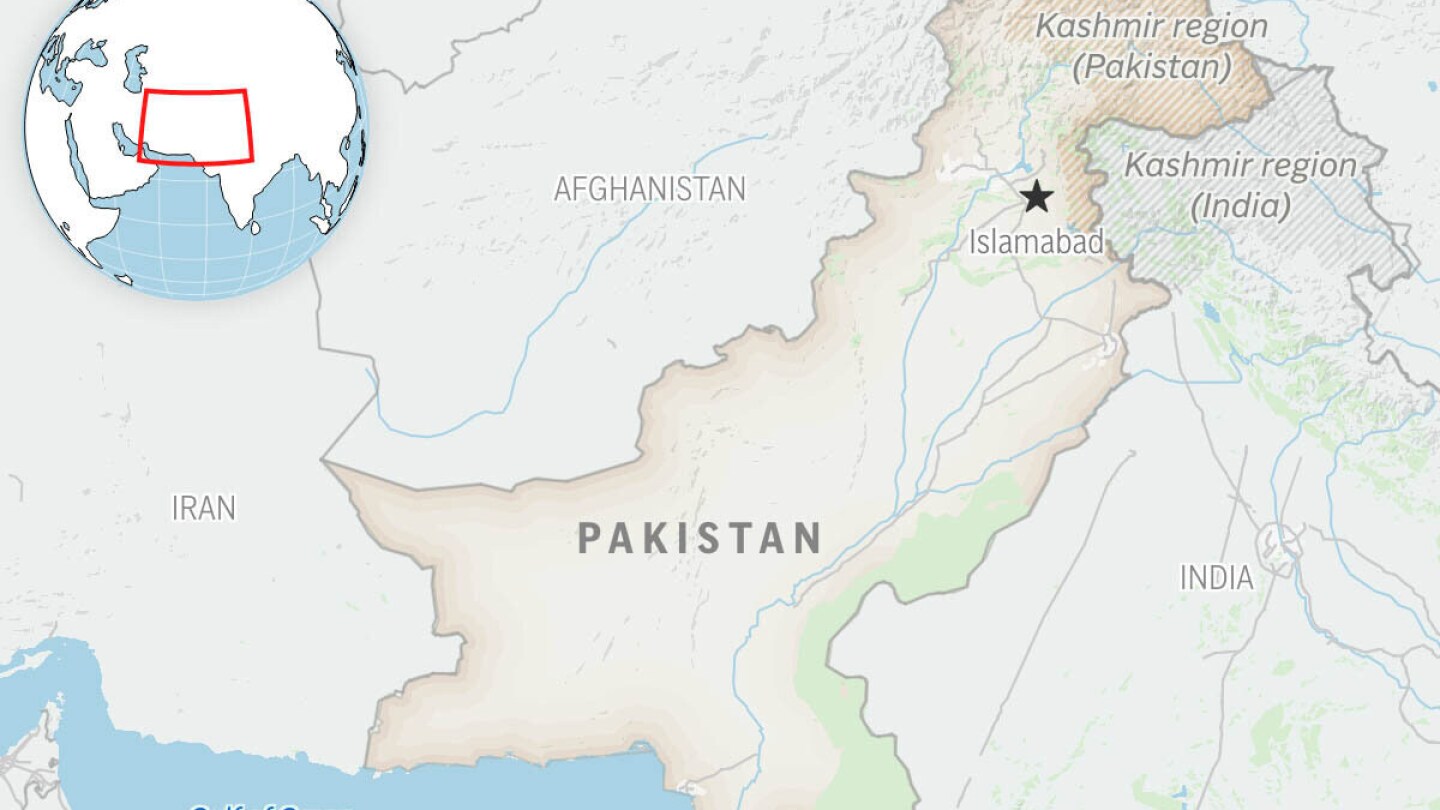
The operations occurred in North Waziristan and the Dara Adam Khel district, areas previously known as strongholds for the Tehrik-e-Taliban Pakistan (TTP), commonly referred to by the Pakistani government as “Khwarij.” Eight militants were killed Sunday in North Waziristan, while 12 others died in a separate raid in Dara Adam Khel.
In a separate incident, militants including a suicide bomber attempted to attack a cadet college in Wana, South Waziristan. According to military sources, the attacker detonated an explosive-laden vehicle at the main gate before security forces killed two assailants and cornered three others in an administrative block. Pakistani authorities alleged the attackers had connections to India and handlers in Afghanistan, though the TTP released a statement denying involvement in this specific assault.
The violence comes as Pakistan and Afghanistan trade blame for the breakdown of a third round of peace talks in Istanbul over the weekend. The negotiations, facilitated by Qatar and Turkey, began last month after deadly border clashes claimed dozens of lives on both sides. The talks stalled when Afghanistan reportedly refused to provide written assurance that TTP and other militant groups would not be allowed to use its territory for attacks against Pakistan.
“Pakistan reserves the right to respond against terrorists and their leadership present in Afghanistan,” the military stated in its announcement of the operations. This declaration underscores the persistent tensions between the neighboring countries since the Taliban regained control of Afghanistan in 2021.
Afghan Foreign Minister Amir Khan Muttaqi maintained that Kabul remains committed to preventing its territory from being used against other nations but blamed Pakistan for the diplomatic stalemate, calling its demands “completely unacceptable.” Pakistan’s Ministry of Foreign Affairs countered that addressing “terrorism emanating from Afghanistan” remains its primary concern for any productive dialogue.
The TTP, although separate from the Afghan Taliban, maintains an alliance with the group and has been emboldened since the Taliban’s return to power. Many TTP leaders and fighters are believed to have found sanctuary in Afghanistan since 2021, contributing to Pakistan’s increased concern about cross-border militancy.
Relations between the two countries dramatically deteriorated after Afghanistan accused Pakistan of conducting drone strikes in Kabul on October 9, promising retaliation. The subsequent fighting resulted in numerous casualties before Qatar brokered a ceasefire on October 19, which has thus far remained intact despite the failed peace talks.
This is not the first attempt at negotiation between the countries regarding militant activities. In 2022, Kabul had brokered a temporary ceasefire between the TTP and Pakistan, but the militant group terminated the agreement, accusing Pakistan of violations. Since then, Pakistani officials have refused direct negotiations with the TTP and have instead demanded that the Afghan Taliban government either control the group or extradite its members to Pakistan.
The recent surge in militant attacks across Pakistan highlights the persistent security challenges facing the country’s northwestern regions. The TTP, designated as a terrorist organization by both the United States and the United Nations, continues to claim responsibility for numerous attacks within Pakistan.
As regional tensions persist, both nations face mounting pressure to address the cross-border militant threat that continues to destabilize the region and hinder diplomatic progress. For now, the ceasefire remains in place, but the path to lasting peace appears increasingly complicated by mutual distrust and divergent security priorities.
Fact Checker
Verify the accuracy of this article using The Disinformation Commission analysis and real-time sources.

13 Comments
While the reported militant casualties are concerning, the broader context of regional tensions and the complex security dynamics in this border area raise important questions about the long-term implications of these clashes.
Absolutely. Addressing the root causes of extremism and building trust between Pakistan and Afghanistan should be the priority, not just tactical military victories.
This is a concerning escalation of violence along the Pakistan-Afghanistan border. Ongoing regional tensions and militant activity in this volatile border area pose serious challenges for regional security and stability.
Agreed. Eliminating militant strongholds is critical, but de-escalating the broader conflict through diplomacy and addressing root causes is equally important for lasting peace.
It’s troubling to see this continued cycle of violence and retaliation between Pakistan and Afghanistan. Both sides need to prioritize dialogue and cooperation to find a peaceful resolution to their differences.
You raise a good point. Unilateral military action often leads to further escalation. A more holistic approach addressing economic, social, and political drivers of extremism is needed.
The reported militant deaths are concerning, but the details around the cadet college attack raise important questions. Allegations of foreign involvement deserve careful investigation to understand the full context.
The military operations targeting militant strongholds indicate the Pakistani government’s determination to confront security threats. However, a comprehensive strategy balancing security and development is needed to achieve lasting stability.
This clash along the Pakistan-Afghanistan border is a sobering reminder of the fragility of the regional security environment. Sustainable peace will require difficult compromises and a long-term commitment to conflict resolution.
Well said. Durable peace in this region has proven elusive, but continued diplomatic efforts and a willingness to address underlying grievances are essential.
The reported militant deaths are concerning, but the details around the cadet college attack highlight the complexity of the security situation in this region. A comprehensive approach addressing both security and development is crucial for lasting peace.
Well said. Sustainable solutions will require a delicate balance of military operations, economic cooperation, and conflict resolution efforts between Pakistan and Afghanistan.
This ongoing conflict along the Pakistan-Afghanistan border is a significant challenge for regional stability. Diplomatic efforts to facilitate dialogue and cooperation between the two nations should be a top priority.