


Listen to the article
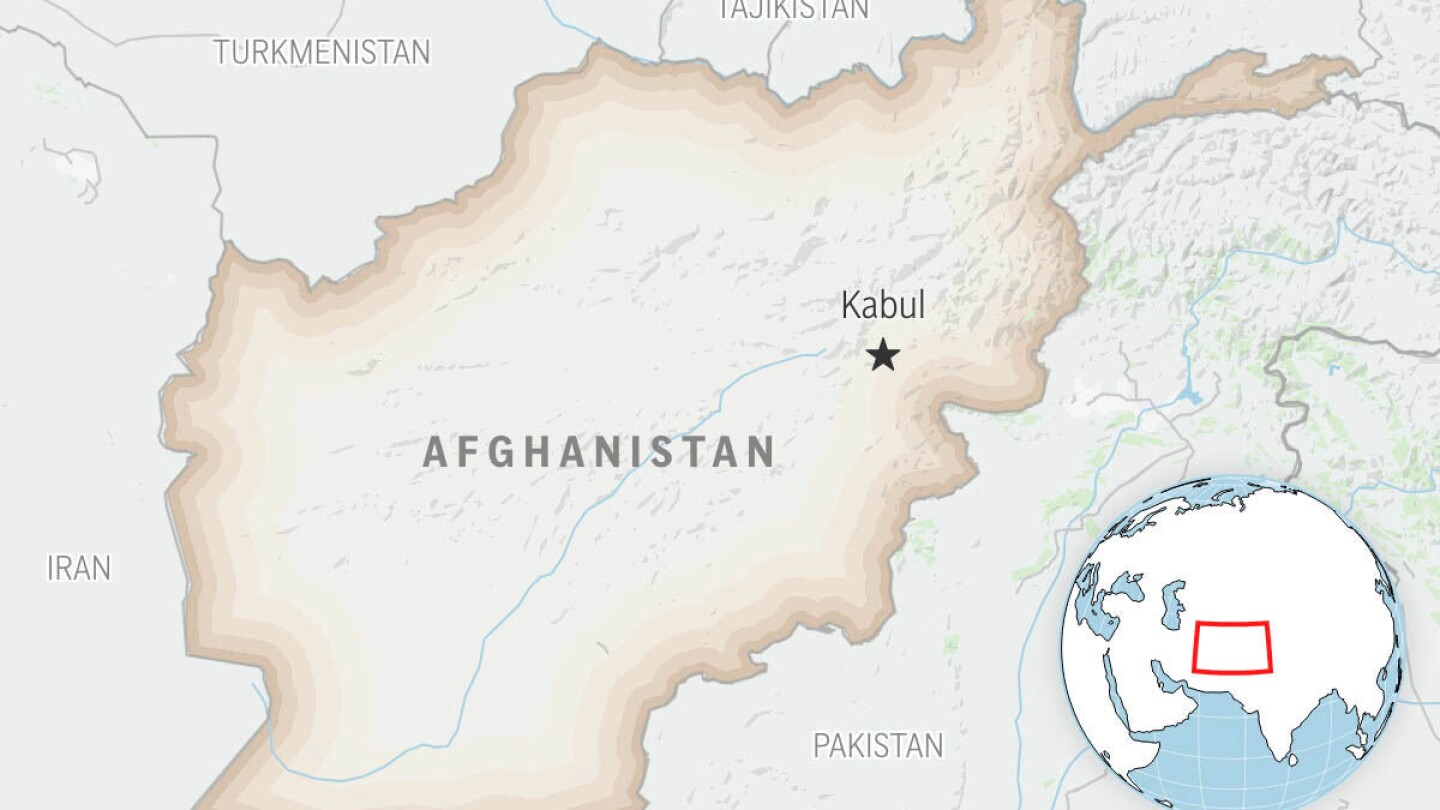
Pakistan and China have jointly called for Afghanistan to take more concrete action against terrorist organizations operating within its borders, expressing concerns over the continued threat these groups pose to regional security.
The statement, released Monday following high-level diplomatic talks in Beijing between Pakistan’s Foreign Minister Ishaq Dar and Chinese counterpart Wang Yi, emphasized the need for “visible and verifiable” steps to prevent Afghan territory from being used as a staging ground for attacks against neighboring countries.
“Terrorist groups operating from Afghanistan continue to pose serious threats to regional and global security,” the joint statement read, reflecting growing frustration from both nations over cross-border militancy. The Afghan Taliban government in Kabul has not yet responded to these renewed concerns.
China commended Pakistan for implementing what it described as “comprehensive counterterrorism measures” and efforts to protect Chinese citizens and investments related to the China–Pakistan Economic Corridor (CPEC). This flagship program, part of China’s ambitious Belt and Road Initiative, represents billions of dollars in infrastructure development connecting western China to Pakistan’s strategic Gwadar port on the Arabian Sea.
The security of Chinese personnel in Pakistan remains a pressing concern. Earlier this year, five Chinese nationals were killed when a suicide bomber attacked a bus in northwest Pakistan. Thousands of Chinese workers and engineers continue to work on CPEC projects across Pakistan despite these security challenges.
Regional cooperation has faced setbacks in recent months. Though diplomats from Pakistan, China, and Afghanistan met in Kabul in August and pledged to extend CPEC to Afghanistan, little visible progress has materialized, highlighting the complex geopolitical dynamics at play.
Pakistan has consistently accused Afghanistan’s Taliban government, which took power in 2021, of harboring the Tehrik-e-Taliban Pakistan (TTP), a militant group responsible for numerous deadly attacks inside Pakistan. The TTP, while ideologically aligned with Afghanistan’s Taliban, operates as a separate entity focused primarily on targeting Pakistani institutions and security forces.
The Afghan Taliban has repeatedly denied these accusations, maintaining that it does not permit its territory to be used for planning or launching attacks against other nations, in accordance with agreements made during the 2020 Doha negotiations with the United States.
Tensions between Pakistan and Afghanistan escalated dramatically in early October when Pakistani forces conducted airstrikes against what they claimed were TTP hideouts inside Afghanistan. These strikes reportedly killed dozens of militants, prompting Afghan forces to retaliate with attacks on Pakistani military positions along the border. Afghan authorities claimed to have killed 58 Pakistani soldiers, while Pakistan acknowledged 23 casualties among its troops.
The dangerous escalation was halted only after Qatar stepped in to broker a ceasefire during emergency talks in Doha. Follow-up negotiations in Istanbul aimed at developing a more permanent solution failed to produce significant results, leaving the underlying issues unresolved.
The China-Pakistan joint statement reflects the growing regional consensus that Afghanistan’s internal security challenges have broader implications for stability across South and Central Asia. For China, which has significant economic interests in both countries, the continued volatility threatens its broader regional development strategy and could potentially embolden separatist groups in its Xinjiang region.
The statement also comes amid changing regional dynamics, as Russia, Iran, and Central Asian states all navigate their relationships with the Taliban government, which remains unrecognized by most of the international community nearly three years after taking power.
As regional powers increase pressure on Afghanistan’s Taliban rulers to address these security concerns, questions remain about the group’s willingness or capacity to rein in militant organizations that have long operated within its borders.
Fact Checker
Verify the accuracy of this article using The Disinformation Commission analysis and real-time sources.

14 Comments
This joint statement highlights the shared concern over the threat of Afghan-based terror groups. Effective regional cooperation will be crucial to addressing this complex security issue and maintaining stability.
Definitely. The Afghan government needs to demonstrate its commitment to combating terrorism and reassure its neighbors. Failure to do so could undermine economic development initiatives like the CPEC project.
This joint call for ‘visible and verifiable’ action against Afghan-based terror groups signals the growing frustration of Pakistan and China. Maintaining regional stability is crucial for the success of major initiatives like CPEC.
Agreed. The Afghan government needs to demonstrate its commitment to combating terrorism and reassure its neighbors. Cooperation and coordination will be key to addressing this shared security threat.
The continued presence of terrorist groups in Afghanistan is deeply concerning. Pakistan and China are right to demand more concrete action from the Afghan government to address this regional security challenge.
I agree. Terrorist groups operating from Afghan soil pose a threat to the entire region. Strengthening border security and counterterrorism efforts should be a top priority for the Afghan authorities.
It’s good to see Pakistan and China speaking with a unified voice on this issue. Terrorist groups operating from Afghanistan pose a serious threat to the entire region. Concrete steps must be taken to address this problem.
Absolutely. The Afghan authorities need to take this threat seriously and work closely with their neighbors to dismantle these militant networks. Failure to do so could undermine regional stability and economic development.
The continued threat of terrorist groups operating from Afghanistan is deeply concerning. I hope the Afghan authorities can work with Pakistan and China to address this regional security challenge effectively.
Me too. Strengthening counterterrorism measures and securing the borders will be critical. It’s in everyone’s interest to prevent Afghanistan from becoming a safe haven for militants again.
Interesting that Pakistan and China are jointly pressing Afghanistan to take concrete action against terror groups. Security and stability in the region is crucial for economic development like the CPEC project.
Absolutely. Eliminating cross-border militancy should be a top priority for the Afghan government. Visible and verifiable steps are needed to reassure neighboring countries.
It’s clear that Pakistan and China are growing increasingly frustrated with the continued presence of terrorist groups in Afghanistan. Concrete and verifiable action is needed to address this regional security threat.
Absolutely. The Afghan authorities need to step up their efforts to dismantle these militant networks and prevent their territory from being used as a staging ground for attacks. Cooperation with neighboring countries will be key.