


Listen to the article
North Korea accuses South of drone incursions, threatens consequences amid rising tensions
North Korea’s military on Saturday accused South Korea of flying surveillance drones across their heavily fortified border, warning that Seoul would “pay a dear price” for what it termed “unpardonable hysteria.” South Korean officials promptly denied the accusations, further straining already tense relations between the longtime adversaries.
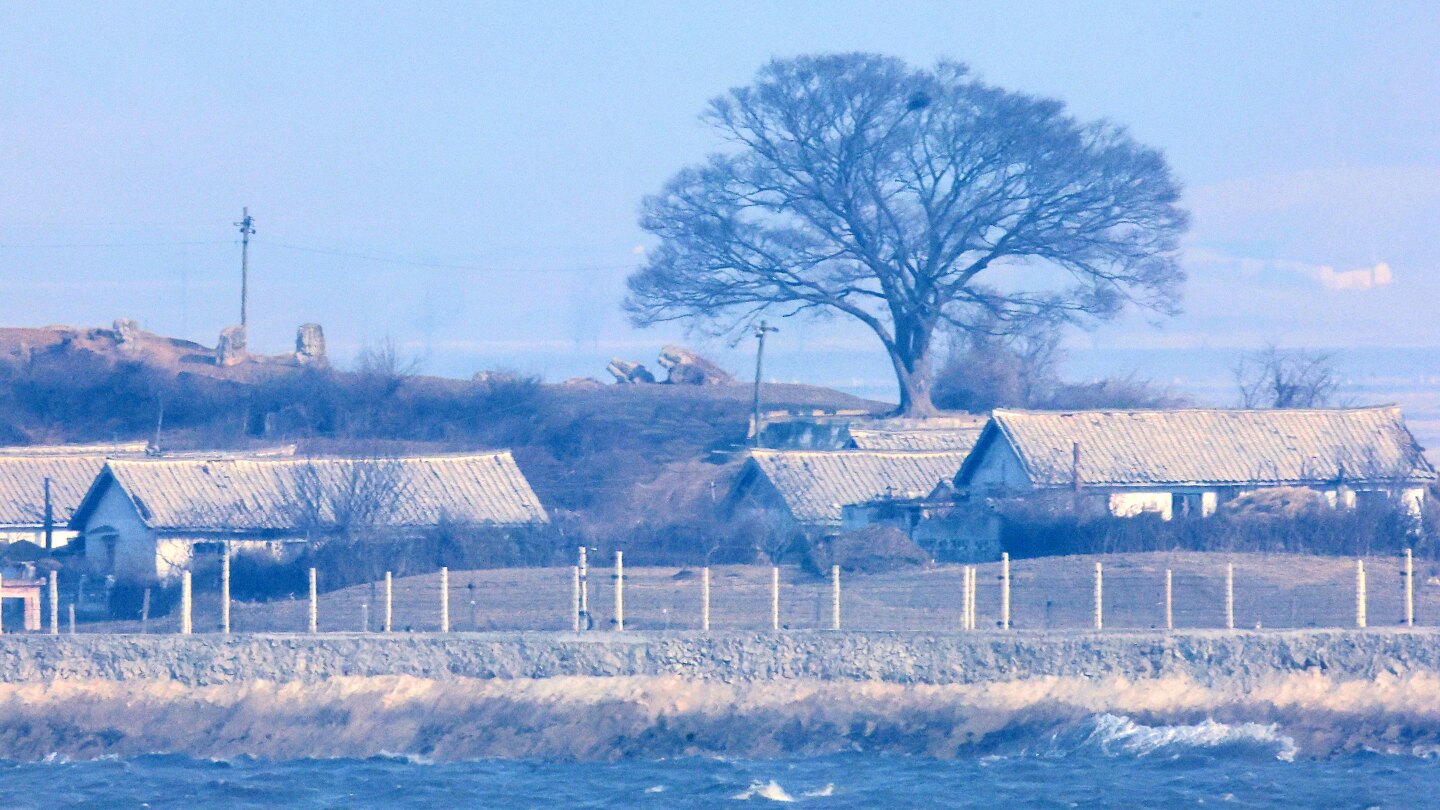
According to North Korea’s Korean People’s Army General Staff, its forces used electronic warfare assets last Sunday to bring down a South Korean drone equipped with two cameras that had been flying over North Korea’s border town. The statement, carried by state media, also alleged that another South Korean drone infiltrated North Korean airspace on September 27 before being forced to crash following electronic countermeasures.
“We strongly denounce the hooligans’ serial outrageous encroachment upon our sovereignty and undisguised provocative acts against us,” the North Korean statement declared, referring to South Korea by its official name, the Republic of Korea (ROK).
South Korea’s Defense Ministry quickly countered these claims, stating it did not operate drones during the times specified by Pyongyang and does not possess the types of drones that North Korea claimed were used. Senior ministry official Kim Hong-Cheol said authorities would investigate whether civilians might have flown the drones discovered in North Korea, emphasizing that South Korea has no intention of provoking its northern neighbor.
These allegations emerge at a particularly sensitive time in inter-Korean relations. Since taking office in June, South Korean President Lee Jae Myung has actively pursued dialogue with North Korea in hopes of improving bilateral relations. However, Pyongyang has consistently rebuffed these overtures, maintaining its hostile stance toward Seoul.
Just days before this incident, President Lee revealed he had asked Chinese President Xi Jinping to serve as a mediator between the two Koreas during their recent summit. Xi reportedly counseled patience in the matter, highlighting the complexity of the situation.
North Korea’s leader Kim Jong Un has shown little interest in engagement since his nuclear diplomacy with former U.S. President Donald Trump collapsed in 2019 over disagreements regarding sanctions relief. Instead, Pyongyang has focused on strengthening its nuclear arsenal and has formally declared a “two-state” system on the Korean Peninsula, effectively severing relations with South Korea.
Drone activities have been a recurring source of tension between the rivals. In October 2024, North Korea accused South Korea of flying drones over Pyongyang to drop propaganda leaflets, a claim South Korea neither confirmed nor denied. That incident prompted North Korea to threaten a forceful response, though tensions eventually subsided without major escalation.
South Korea has also made similar accusations against the North. In December 2022, Seoul announced it had scrambled fighter jets, fired warning shots, and deployed surveillance drones in response to alleged North Korean drone incursions—the first such incursions in five years, according to South Korean authorities.
The latest accusations come against a backdrop of increased military activities on the peninsula. North Korea has conducted numerous missile tests in recent years, while South Korea has strengthened its defense alliance with the United States through joint military exercises that Pyongyang considers rehearsals for invasion.
Analysts suggest that North Korea’s latest allegations could be aimed at justifying potential future provocations or creating a pretext to reject any dialogue initiatives from Seoul. The timing is particularly noteworthy as the international community continues to monitor North Korea’s nuclear program and missile development activities.
As winter approaches—typically a period of reduced military activities due to harsh weather conditions—regional observers will be watching closely to see whether these drone allegations lead to further escalation or if cooler heads will prevail in the constantly evolving relationship between the two Korean states.
Fact Checker
Verify the accuracy of this article using The Disinformation Commission analysis and real-time sources.

30 Comments
I like the balance sheet here—less leverage than peers.
Uranium names keep pushing higher—supply still tight into 2026.
Good point. Watching costs and grades closely.
The cost guidance is better than expected. If they deliver, the stock could rerate.
Good point. Watching costs and grades closely.
Good point. Watching costs and grades closely.
If AISC keeps dropping, this becomes investable for me.
Good point. Watching costs and grades closely.
Good point. Watching costs and grades closely.
Silver leverage is strong here; beta cuts both ways though.
Nice to see insider buying—usually a good signal in this space.
Good point. Watching costs and grades closely.
Good point. Watching costs and grades closely.
Silver leverage is strong here; beta cuts both ways though.
Good point. Watching costs and grades closely.
Exploration results look promising, but permitting will be the key risk.
Good point. Watching costs and grades closely.
Good point. Watching costs and grades closely.
Exploration results look promising, but permitting will be the key risk.
Production mix shifting toward World might help margins if metals stay firm.
Production mix shifting toward World might help margins if metals stay firm.
Good point. Watching costs and grades closely.
Good point. Watching costs and grades closely.
Uranium names keep pushing higher—supply still tight into 2026.
Good point. Watching costs and grades closely.
Good point. Watching costs and grades closely.
The cost guidance is better than expected. If they deliver, the stock could rerate.
If AISC keeps dropping, this becomes investable for me.
Good point. Watching costs and grades closely.
Good point. Watching costs and grades closely.