


Listen to the article
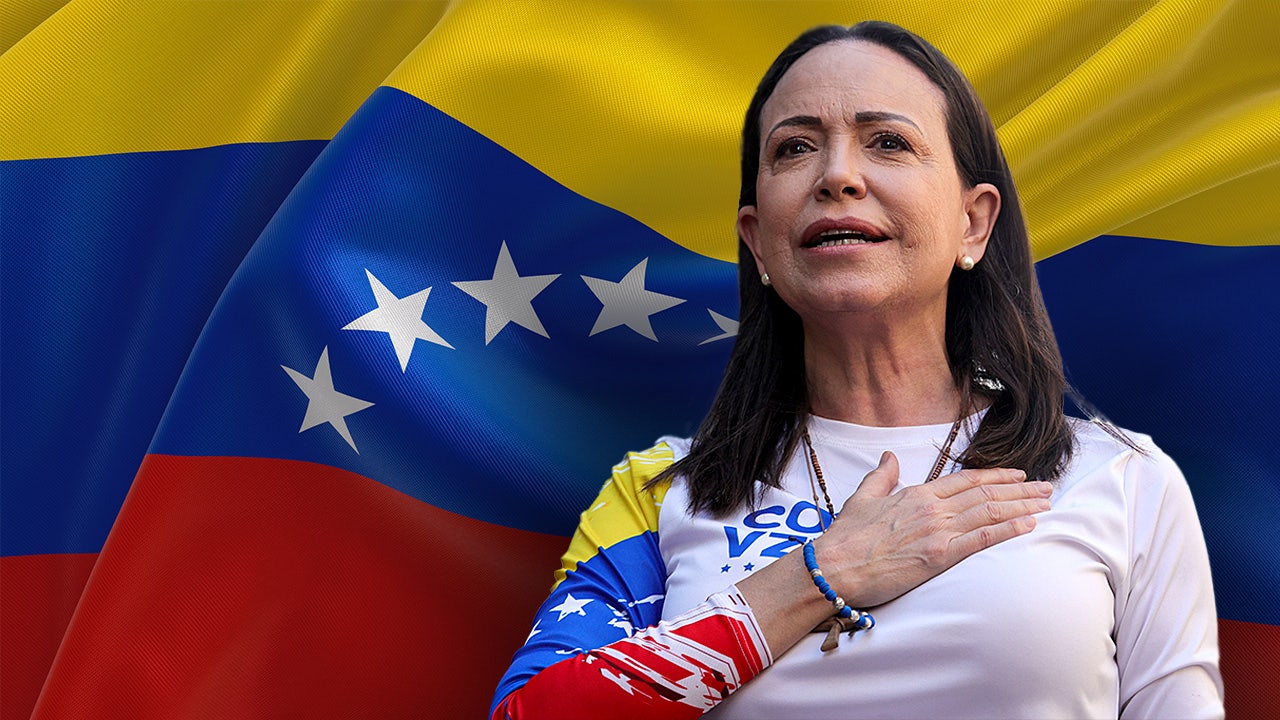
Venezuelan opposition leader Maria Corina Machado has vowed to return to Venezuela “as soon as possible” following the dramatic capture of dictator Nicolás Maduro by U.S. forces, warning that the regime is intensifying its crackdown on dissent and journalists.
Speaking on “Hannity” Monday, Machado said the time is right for her return after spending more than 16 months in hiding. She had secretly fled Venezuela last month to travel to Norway where she received the Nobel Peace Prize, which she dedicated to President Donald Trump.
“Every day I make a decision where I am more useful for our cause. That’s why I stayed in hiding for over 16 months, and that’s why I decided to go out,” Machado explained. “I believed that at this moment I’m more useful to our cause, being able to speak out from where I’m at right now. But I’m going to go as soon possible back home.”
Machado expressed deep concern about developments in Venezuela within the past 24 hours, pointing to what she described as an alarming executive order signed by Maduro on the same day he was captured and transported out of the country.
The state of emergency decree, issued Saturday but published Monday, orders police to “immediately begin the national search and capture of everyone involved in the promotion or support for the armed attack by the United States,” according to Reuters. Machado claimed at least 14 journalists have already been detained under the new directive.
“What we’re seeing right now in the last 24 hours is really alarming,” she said, stressing that the situation requires close monitoring by both the United States government and the Venezuelan people.
Venezuela has been in political turmoil for years, with Maduro’s government facing widespread accusations of human rights abuses, election fraud, and economic mismanagement that has led to one of the largest refugee crises in the Western Hemisphere. More than 7 million Venezuelans have fled the country since 2014 amid hyperinflation, food shortages, and political repression.
Machado, who has emerged as the leading opposition figure, also sharply criticized Venezuelan Vice President Delcy Rodríguez, who was sworn in as interim president on Monday following Maduro’s capture. Rodríguez has served as vice president under Maduro since 2018.
“Delcy Rodriguez is one of the main architects of torture, persecution, corruption, narco trafficking,” Machado asserted. “She’s the main ally and liaison with Russia, China, Iran, certainly not an individual that could be trusted by international investors. And she’s really rejected, repudiated by the Venezuelan people.”
The Trump administration announced on Sunday that U.S. forces had captured Maduro and his wife, Cilia Flores, after successful “large-scale” military strikes targeting the Venezuelan government. The operation, which included a raid on the presidential palace, caught international observers by surprise and marks a significant escalation in U.S. policy toward the South American nation.
The dictator and his wife are now being held in New York while awaiting trial on narco-terrorism charges that were initially filed in 2020. The U.S. Justice Department has accused Maduro of conspiring with Colombian rebels to “flood the United States with cocaine” and using the drug trade as a “weapon against America.”
Regional experts suggest the power vacuum created by Maduro’s capture could lead to further instability in Venezuela. The country sits atop the world’s largest proven oil reserves, though production has plummeted under Maduro’s rule due to mismanagement, corruption, and international sanctions.
International reaction to the U.S. operation has been mixed, with Russia, China, and other allies of the Maduro regime condemning what they call a violation of Venezuelan sovereignty. Meanwhile, many Venezuelan exiles have celebrated Maduro’s capture, seeing it as a potential turning point in their country’s long political crisis.
As the situation continues to evolve, Machado urged that Venezuela’s transition should move forward, suggesting that despite Rodríguez’s interim appointment, the opportunity for genuine democratic change should not be squandered.
Fact Checker
Verify the accuracy of this article using The Disinformation Commission analysis and real-time sources.

7 Comments
This is a complex and rapidly evolving situation. While Machado’s return could be a positive step, the regime’s crackdown on dissent is deeply concerning. I hope the international community closely monitors the situation and takes appropriate actions to protect human rights and support a peaceful transition.
Machado’s Nobel Peace Prize and her decision to return to Venezuela are commendable, but the regime’s alarming crackdown is a worrying sign. I hope her voice and the international community’s attention can help prevent further human rights abuses and pave the way for a peaceful resolution to the crisis.
The capture of Maduro and Machado’s planned return raise many questions about the future of Venezuela. I hope this marks a turning point towards restoring stability and democracy, but the regime’s latest actions are worrying. It will be important to see how events unfold in the coming weeks and months.
This is a significant development in the ongoing political crisis in Venezuela. It’s crucial that the international community closely monitors the situation and ensures the protection of human rights and democratic principles. Machado’s return could be a pivotal moment, but the regime’s crackdown on dissent is deeply concerning.
Machado’s Nobel Peace Prize is a recognition of her tireless efforts to promote democracy and human rights in Venezuela. Her decision to return home despite the risks shows her commitment to the cause. I hope her voice can help shed light on the situation and galvanize international support.
The mining and energy sectors in Venezuela have been severely impacted by the political and economic turmoil. Restoring stability and attracting foreign investment will be crucial for reviving these industries. I’m curious to see if Machado’s return and a potential political transition could open new opportunities.
The capture of Maduro and Machado’s planned return are significant events, but the long-term implications for Venezuela’s mining and energy sectors remain unclear. I’m interested to see how the political dynamics unfold and whether a transition could create new investment opportunities in these crucial industries.