


Listen to the article
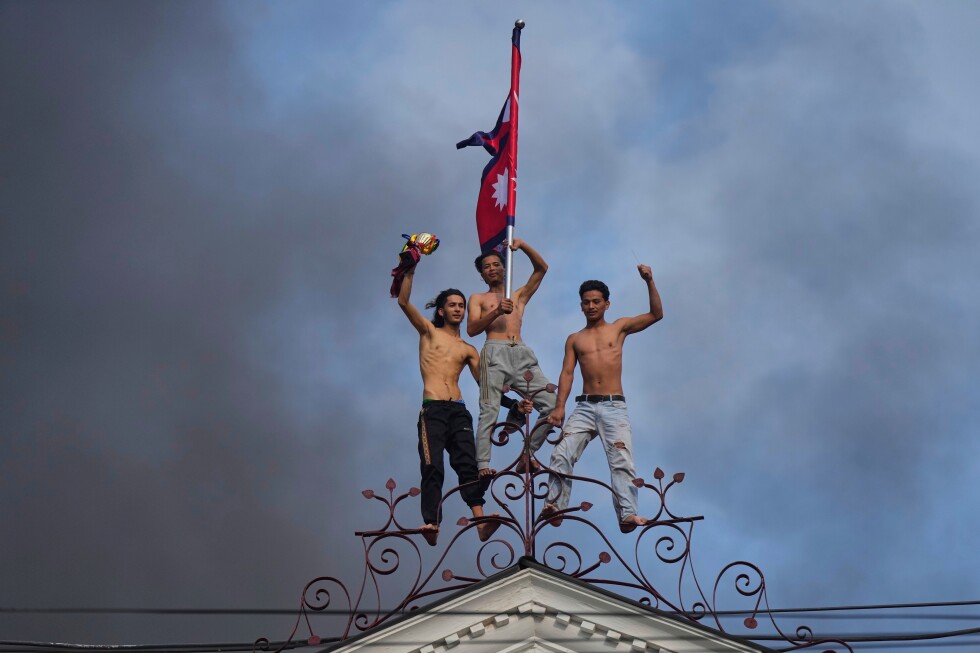
Millions of Nepalis headed to the polls Thursday in a watershed parliamentary election, the first since a powerful youth-led uprising toppled the previous government last year. The vote marks a critical moment for the Himalayan nation as a new generation pushes for fundamental reforms.
Security has been significantly enhanced across Nepal for the election. Beyond regular police forces, thousands of temporary officers have been deployed, while army troops—typically confined to barracks—are now visible on streets and stationed at polling centers. The government has declared a three-day public holiday, allowing citizens to travel to their hometowns to cast ballots at polling stations established in schools and public buildings nationwide.
The Election Commission of Nepal reports that over one million new voters have registered since the previous national election in 2022. Many are first-time voters who participated in the street protests that forced former Prime Minister Khadga Prasad Oli from office. These young voters are poised to play a decisive role in the election outcome.
“This election, all the political parties, whether they are old or new, are more focused on the youth. That is a great shift in our electoral history,” said Bhojraj Pokharel, Nepal’s former chief election commissioner and an independent political analyst.
Voter sentiment indicates widespread desire for change, with many citizens expressing frustration with established political parties and calling for leadership that will address corruption and improve governance.
“People don’t have big expectations from those who are going to be elected. People are only seeking that corruption should be controlled and we should have good governance,” said Swastika Lamichane, a 28-year-old office worker.
Kalpana Saud, a 25-year-old housewife, voiced a sentiment common among younger voters: “For the past generations of our fathers and grandfathers, the same old politicians and parties have been elected and they have always controlled power, but they have always failed us.”
The election has evolved into a three-way contest. The National Independent Party, formed just two years ago, has emerged as a formidable challenger to the long-established Nepali Congress and the Communist Party of Nepal (Unified Marxist–Leninist), which have dominated Nepalese politics for decades.
Balendra Shah, a former rapper who stunned the political establishment by winning Kathmandu’s mayoral race in 2022, is the National Independent Party’s candidate for prime minister. Shah became a prominent voice during the 2025 uprising, galvanizing youth support with his anti-establishment message. While the traditional parties maintain loyal voter bases, Shah’s campaign rallies have drawn significantly larger crowds, particularly among young voters seeking alternatives to conventional politics.
The election also features supporters of Nepal’s former monarchy, which was abolished in 2008. Pro-monarchy groups claim to have observed growing public support for former King Gyanendra Shah, whom they view as a potential constitutional head of state and protector of the country’s Hindu majority. Thousands have attended rallies supporting the ex-king, though analysts suggest immediate restoration of the monarchy remains unlikely due to limited overall support.
Nepal’s next government will face substantial challenges. Beyond addressing the demands that fueled last year’s protests, it must tackle deeply rooted corruption and navigate complex relationships with neighboring powers India and China, both of which seek to extend their influence in the strategically positioned nation.
“The people have very high expectations from the incoming government but the resources are very limited, so it will be difficult for them to meet all the aspirations,” said Guna Raj Luitel, editor of Nagarik, one of Nepal’s leading newspapers.
This election comes at a pivotal moment in Nepal’s democratic journey. Since the monarchy’s abolition, the country has experienced repeated bouts of political instability. For many voters, particularly the youth, this election represents an opportunity to break from past political patterns and establish more responsive, accountable governance in a nation that has long struggled with corruption and foreign influence.
Fact Checker
Verify the accuracy of this article using The Disinformation Commission analysis and real-time sources.

10 Comments
This election will be a significant test for Nepal’s democratic institutions. The participation of young, first-time voters who were involved in the protests is an encouraging sign, but the security challenges will need to be carefully managed.
It’s important that the election results are seen as legitimate by all parties involved. A peaceful and transparent process will be crucial for Nepal’s political stability going forward.
I’m glad to see Nepal moving forward with this important election after the turmoil of the past year. The high voter registration numbers indicate a strong civic engagement, which is essential for a healthy democracy.
The youth-led protests that led to the previous government’s downfall seem to have sparked a renewed political interest among Nepali citizens. I hope this translates into a constructive and peaceful election process.
It’s encouraging to see Nepal holding elections after the political upheaval. The high voter turnout and participation of young people who were involved in the protests is a positive sign for the country’s democratic process.
I’m curious to see how the new generation of voters will shape the political landscape in Nepal. Their focus on reforms could lead to some interesting changes.
The high voter turnout and the involvement of young people who were part of the protests that ousted the previous government are positive indicators for Nepal’s democratic transition. However, the security challenges will need to be addressed effectively to ensure a smooth and fair election.
It will be interesting to see if the new generation of voters can bring about the reforms they were demanding during the protests. Their participation could lead to significant changes in Nepal’s political landscape.
The enhanced security measures for this election are understandable given the recent unrest. Hopefully, the voting can proceed peacefully and the results reflect the will of the Nepali people.
It will be interesting to see if the new voters can bring about the reforms they were calling for during the protests. Their participation is crucial for Nepal’s democratic future.