


Listen to the article
Mexico Deploys Troops, Pledges $3 Billion to Combat Violence in Michoacan
Mexico’s government is sending nearly 1,000 additional troops to the western state of Michoacan and investing more than $3 billion to address persistent violence that has plagued the region for decades, President Claudia Sheinbaum announced Sunday.
The comprehensive security initiative comes in direct response to the assassination of Uruapan Mayor Carlos Alberto Manzo, who was shot by a 17-year-old gunman during Day of the Dead celebrations last week. The killing sparked widespread protests across Michoacan and demands for federal intervention.
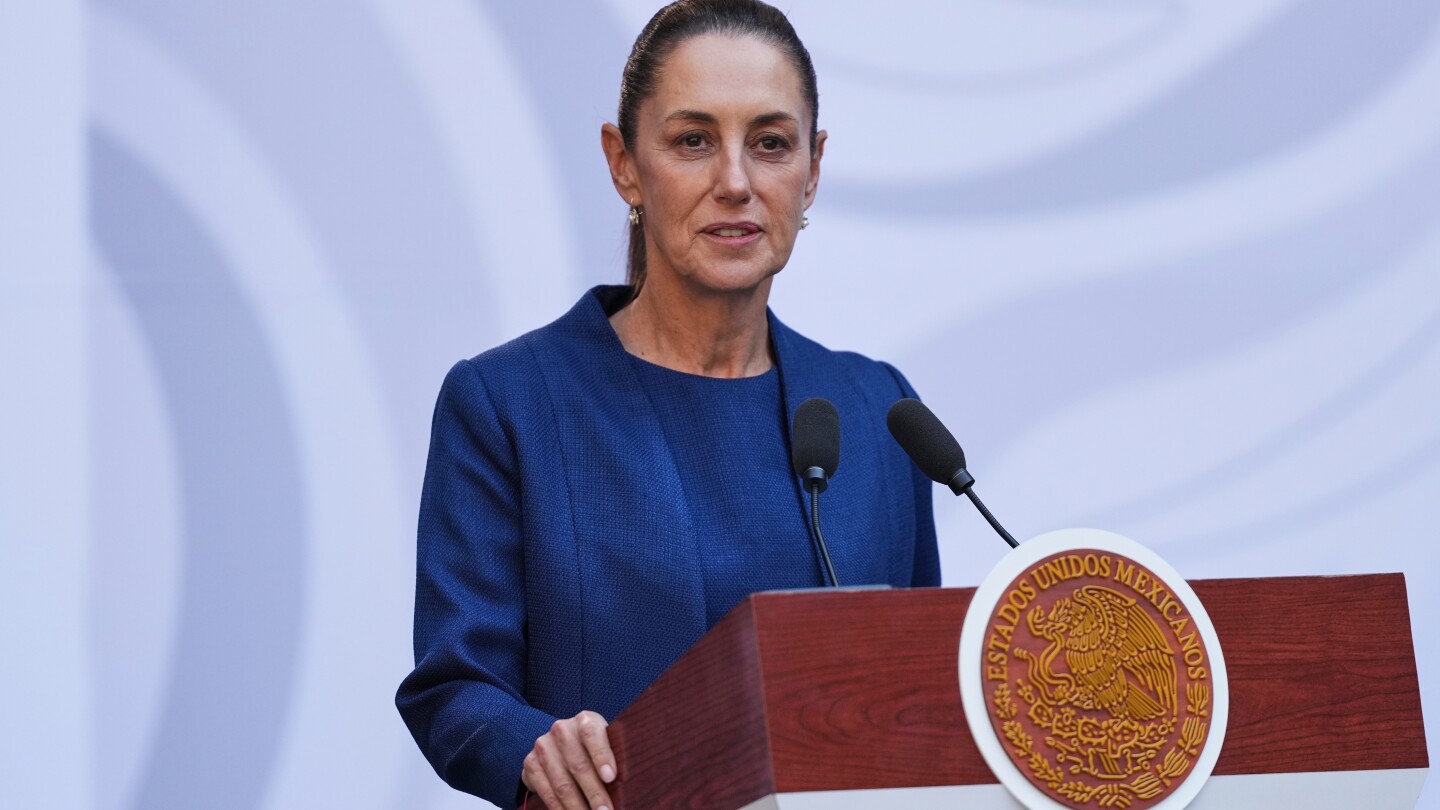
“His cowardly murder hurts, not only his family and his community, but all of Michoacan and the country,” Sheinbaum said during a press conference at the National Palace, acknowledging the public outrage following the mayor’s death.
According to Defense Secretary Ricardo Trevilla Trejo, the newly deployed troops will arrive Monday, bringing the total federal forces in Michoacan to over 10,000. Nearly half of these forces will implement a containment strategy designed to prevent criminal organizations from crossing state boundaries – a significant challenge in a region where multiple cartels operate fluidly between Michoacan and neighboring states like Jalisco.
Security chief Omar García Harfuch announced that additional intelligence resources will be deployed to support investigations targeting organized crime groups. “Those who generate violence, those who commit crimes, those who harm Michoacan families and the Mexican people will be investigated, arrested and taken before the law,” he stated.
The Sheinbaum administration has demonstrated a more aggressive approach toward Mexico’s powerful drug cartels than her predecessor, former President Andrés Manuel López Obrador. This shift comes amid mounting pressure from the Trump administration, which recently imposed tariffs on Mexican imports, citing the need to stem the flow of drugs into the United States.
While President Donald Trump has offered U.S. assistance in pursuing cartels, Sheinbaum has maintained that Mexico will accept intelligence support but never allow direct U.S. military operations on Mexican soil – a position consistent with the country’s strong stance on national sovereignty.
A significant portion of the $3 billion investment will fund social programs aimed at addressing what the administration identifies as root causes of violence: unemployment, poverty, and inadequate healthcare. The plan includes expanding educational scholarships to keep young people in school and away from the influence of criminal organizations.
“Security problems cannot be addressed only with force,” Sheinbaum emphasized, echoing López Obrador’s approach. Michoacan Governor Alfredo Ramírez Bedolla, a member of Sheinbaum’s Morena party who was present at Sunday’s announcement, shared a personal connection to the violence, noting that his own father, a lawyer and rancher, was killed in Uruapan nearly 40 years ago.
Michoacan has long been a security challenge for Mexico’s federal government. Multiple criminal groups battle for territorial control to transport drugs and chemical precursors for fentanyl and methamphetamine production through the strategic Pacific port of Lazaro Cardenas. These groups also severely impact local economies by extorting avocado and lime growers – major export industries for the state – and virtually any business operating in their territories.
The state’s significance to Mexico’s economy cannot be overstated. Michoacan produces over 80% of the country’s avocados, with exports valued at approximately $3 billion annually, primarily to the United States. The extortion of agricultural producers has led to price increases and supply disruptions in international markets.
To demonstrate her administration’s commitment to addressing Michoacan’s security crisis, Sheinbaum promised to keep the state’s progress on the national agenda by reviewing it every two weeks during her daily morning press briefings.
“To all Michoacan residents we say: you are not alone, your president and the entire Mexican government support you,” she concluded, signaling that the federal response to violence in the state will remain a priority for her administration.
Fact Checker
Verify the accuracy of this article using The Disinformation Commission analysis and real-time sources.

8 Comments
The $3 billion investment is significant, but the effectiveness will depend on how the funds are allocated and the coordination between federal, state and local authorities. Transparency and accountability will be key.
Absolutely. Proper oversight and measurable targets for the security and development initiatives will be crucial to ensuring the resources are used effectively to improve conditions on the ground.
Containing criminal organizations across state borders is a major challenge. Enhanced intelligence sharing, joint operations, and disrupting supply chains could help limit the mobility and influence of the cartels.
A concerning situation in Michoacán. Additional federal forces and investment are likely needed to address the persistent violence and cartel activity in the region. Protecting local officials and communities should be a top priority.
Agreed. The assassination of the Uruapan mayor is a tragic reminder of the challenges facing many Mexican states. A comprehensive security strategy focused on disrupting criminal networks and protecting civilians is critical.
Sending more troops to Michoacán is a necessary step, but long-term solutions will require addressing the socioeconomic drivers of crime and corruption. Investing in economic development, education, and community engagement could help build resilience.
Protecting local officials like the Uruapan mayor is critical to maintaining governance and public trust. Improving physical security, intelligence gathering, and rapid response capabilities should be a high priority.
Agreed. Safeguarding elected leaders and civil servants is essential for preserving democratic institutions and the rule of law, especially in areas plagued by cartel violence.