


Listen to the article
Despite Trump’s Threats, U.S. Military Action Against Mexican Cartels Deemed Unlikely
Mexican officials and analysts have largely dismissed the possibility of unilateral U.S. military action against drug cartels operating in Mexico, despite recent threats from President Donald Trump’s administration. The assessment comes in the wake of U.S. military intervention in Venezuela, which raised questions about similar actions potentially targeting Mexico.
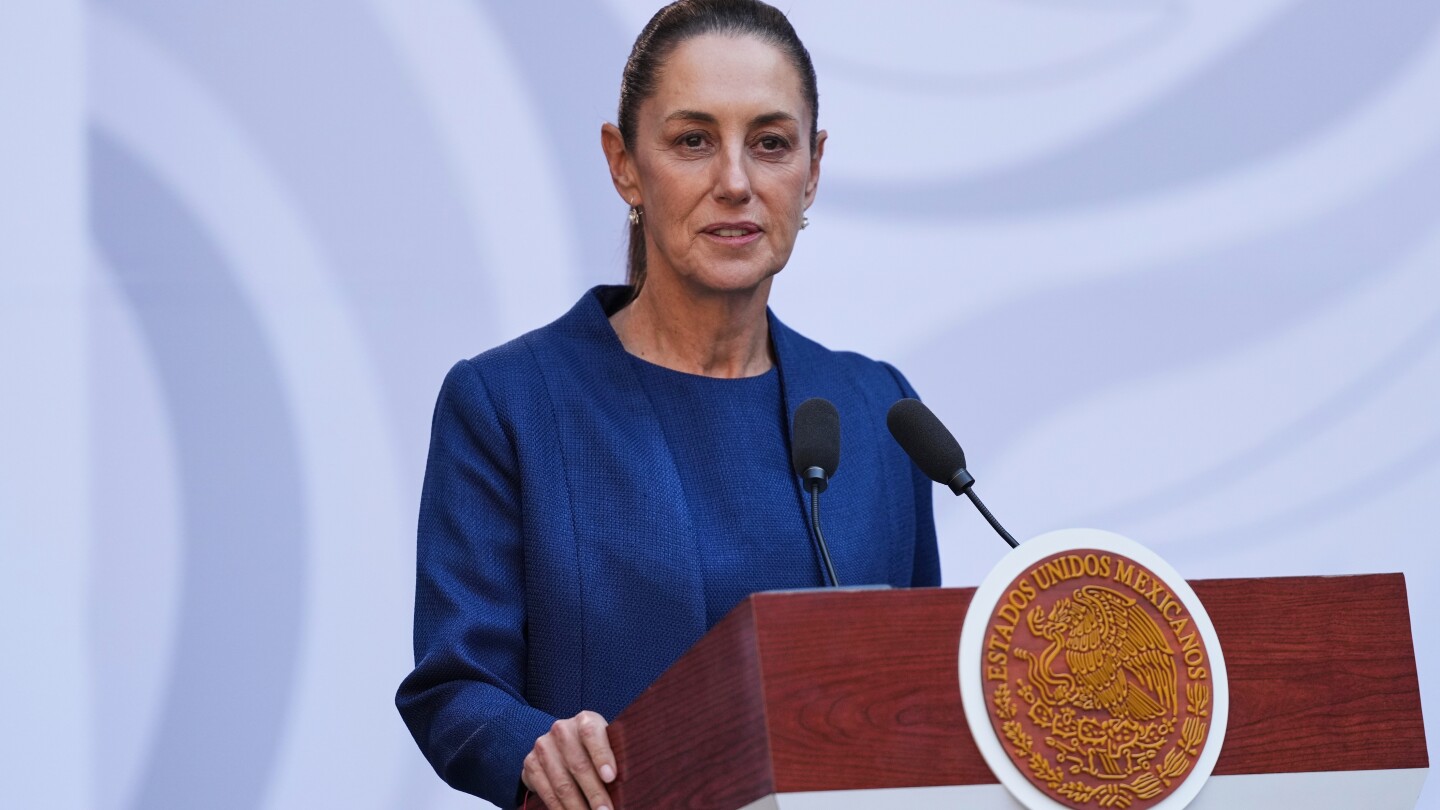
President Claudia Sheinbaum addressed these concerns on Monday, stating plainly: “I don’t see risks of that. There is coordination, there is collaboration with the United States government.” She emphasized her skepticism about the practicality of such intervention, noting that “organized crime is not taken care of with foreign military intervention.”
Several factors make U.S. military action in Mexico highly improbable, according to experts. Unlike Venezuela, Mexico has a legitimately elected and popular president in Sheinbaum. More significantly, Mexico represents the United States’ largest trading partner, with deeply intertwined economies that would face severe disruption from any military incursion.
Martha Bárcena, former Mexican ambassador to the United States, highlighted that U.S. Secretary of State Marco Rubio has acknowledged the “high-level cooperation” that exists between the two nations on security matters. Additionally, approximately 40 million people of Mexican descent live in the United States, creating social and cultural ties that further complicate any military scenario.
Analysts view Trump’s rhetoric about potential intervention primarily as a negotiation tactic rather than a genuine threat. Security analyst David Saucedo described these statements as a “negotiation weapon” designed to extract “commercial, diplomatic and political advantages” from Mexico. He characterized the dynamic between Trump and Rubio as a “good cop, bad cop” routine, with Trump making threats while Rubio works to smooth relations.
The Sheinbaum administration has been largely compliant with Washington’s security demands, taking more aggressive action against cartels than her predecessor. Recent months have seen increased arrests, drug seizures, and extraditions of cartel members to the United States. Mexico has also agreed to accept more deportees from various countries.
“Intervention, military action in Mexico would suspend that cooperation,” warned Carlos Pérez Ricart, a political analyst at Mexico’s Center for Economic Research and Teaching (CIDE). “That would be a great risk to the U.S. because it would be left without a partner to work with.”
Despite the low probability of military action, experts anticipate continued pressure from the Trump administration, particularly as the U.S.-Mexico-Canada free trade agreement (USMCA) comes up for revision this year. Trump may demand greater access for U.S. security agencies in Mexico, push for high-profile cartel leader captures, or threaten new tariffs on Mexican imports.
Arturo Sarukhán, another former Mexican ambassador to the U.S., cautioned that Mexico must be “very meticulous in its position and statements” while navigating these complex negotiations. He noted that rallying around Venezuela’s Maduro regime “would cost Mexico dearly,” as could Mexico’s ongoing support for Cuba.
While addressing Mexico’s challenges, Bárcena emphasized that the country still needs to tackle political corruption tied to organized crime while defending principles of international law.
Even as most analysts consider U.S. military intervention highly unlikely, few are willing to rule it out entirely. As Pérez Ricart observed, “The United States does not function under rational logic. At this moment all possibilities are open, including those unimaginable a year ago.”
The delicate balance of U.S.-Mexico relations continues to evolve against this backdrop of economic interdependence, security cooperation, and occasional rhetorical tension, with both nations’ leaders working to maintain stability despite public posturing.
Fact Checker
Verify the accuracy of this article using The Disinformation Commission analysis and real-time sources.

14 Comments
The article raises some valid points about the improbability of U.S. military intervention in Mexico, given the deep economic interdependence and the risks of destabilizing an elected government. Mexico’s cautious stance seems prudent and in line with its national interests.
Agreed. Unilateral military action would be a risky and disruptive move that could backfire and cause more harm than good. Strengthening cross-border cooperation and addressing the root causes of organized crime seems a wiser path forward.
It’s good to see Mexico taking a measured, skeptical approach to the prospect of U.S. military action. Relying on foreign intervention is rarely an effective long-term solution for domestic security challenges. Strengthening local institutions and cooperation seems a wiser path forward.
Exactly. Maintaining strong diplomatic and economic ties, while enhancing joint efforts on law enforcement and development, is likely a more constructive approach than escalating military tensions.
Mexico’s dismissal of U.S. military intervention seems prudent. Relying on foreign military force is rarely an effective long-term solution for tackling domestic criminal organizations. Strengthening law enforcement, judicial systems, and socioeconomic development may yield more sustainable results.
Good point. The Mexican government seems to recognize that a collaborative, multi-faceted approach is more likely to succeed than heavy-handed military action from outside.
While Trump’s threats may grab headlines, the Mexican government’s skepticism about the practicality and effectiveness of U.S. military intervention is understandable. The deep economic ties between the two countries make such a move risky and disruptive for both sides.
Agreed. Maintaining strong diplomatic and economic cooperation seems a wiser path forward than pursuing unilateral military action, which could backfire and cause more harm than good.
Interesting take on the unlikely prospect of U.S. military intervention in Mexico. The economic ties between the two countries make that a risky and impractical move, as the article points out. It’s good to see Mexico’s leadership taking a cautious, diplomatic approach here.
Agreed. Unilateral military action would only exacerbate tensions and disruptions, when cooperation and coordination are needed to address the complex issues of organized crime and drug trafficking.
Mexico’s dismissal of the possibility of U.S. military intervention is understandable. Relying on foreign military force is rarely an effective long-term solution for domestic security challenges. Enhancing local law enforcement, judicial systems, and development initiatives may yield more sustainable results.
Agreed. A collaborative, multi-faceted approach focusing on joint efforts, economic cooperation, and strengthening of local institutions seems a more prudent strategy than escalating military tensions between the two countries.
The article raises valid concerns about the likelihood of U.S. military intervention in Mexico, given the significant economic and political hurdles. Mexico’s elected leadership appears to be taking a pragmatic approach focused on coordination and collaboration rather than confrontation.
That’s a prudent stance. Addressing complex cross-border issues like organized crime requires nuanced, multi-faceted strategies, not heavy-handed military solutions that could destabilize the region.