


Listen to the article
Lithuania has announced the reopening of two key border crossings with Belarus, following weeks of closure prompted by what officials described as deliberate disruptions to the country’s aviation operations.
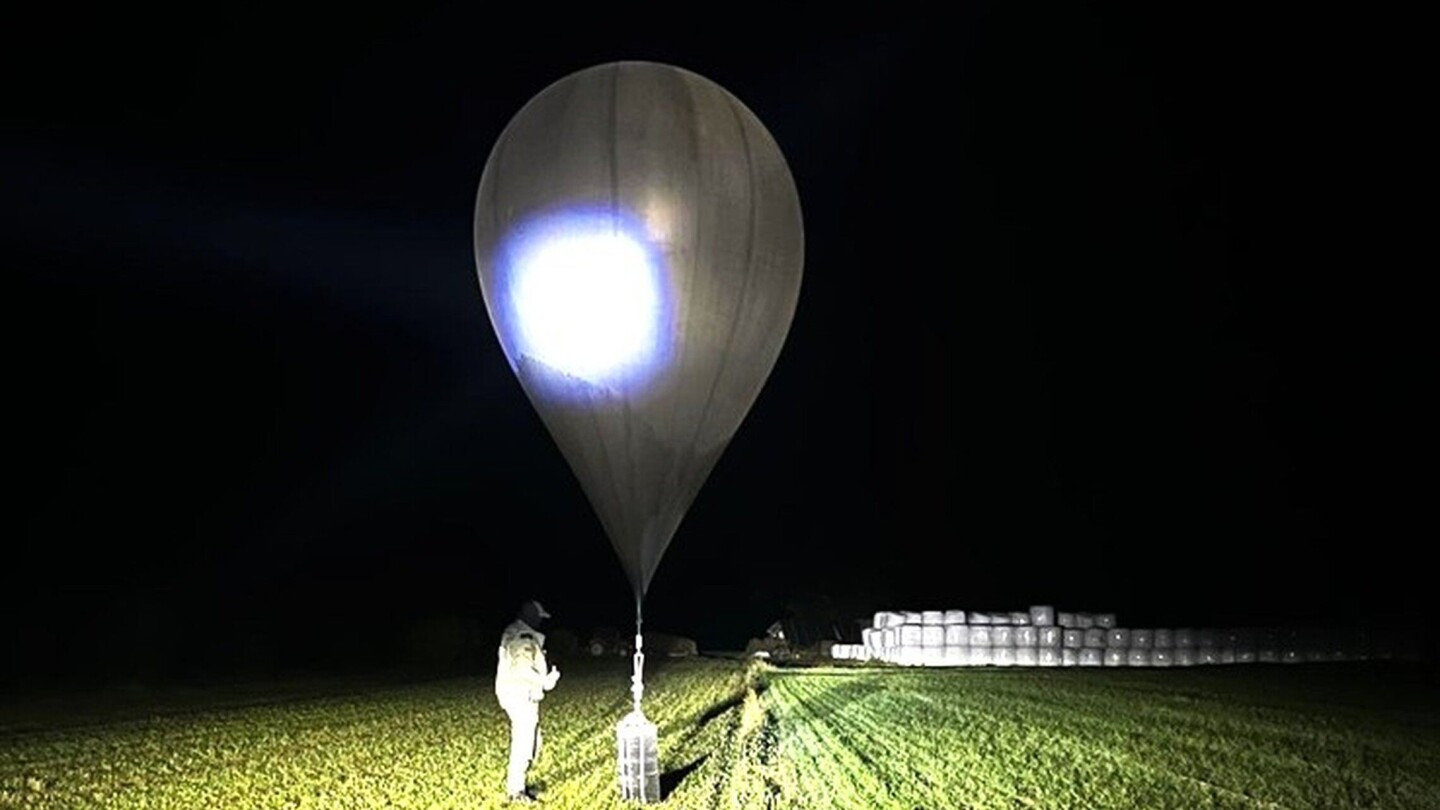
The Lithuanian government decided Wednesday to reopen the Medininkai and Šalčininkai crossings starting Thursday, easing tensions that had escalated between the neighboring nations. The border points were shut in late October after balloons allegedly used to smuggle cigarettes from Belarus caused disruptions at Vilnius International Airport.
Lithuanian officials had initially announced a month-long closure with limited exemptions, viewing the balloon incursions as a calculated act by Belarus, a close ally of Russia. The decision to reopen comes just days after Poland, which shares similar concerns about Belarus, reopened two of its own border crossings with the country.
The reopening is expected to provide immediate relief for Lithuanian truck drivers stranded on Belarusian territory. Authorities in Minsk had refused to create a special corridor for these vehicles to return home, instead demanding that Lithuania fully reopen its border crossings. The standoff prompted technical negotiations between customs officials from both countries, who met Tuesday to discuss solutions.
Belarusian President Alexander Lukashenko had escalated the situation last week by claiming that up to 1,200 vehicles were stranded in his country and threatening to confiscate them if Lithuania maintained the border closure. Lukashenko characterized Lithuania’s actions as a “mad scam” and part of a “hybrid war” against Belarus.
“If the situation gets worse again, we reserve the right to close the borders at any time,” Lithuanian Prime Minister Inga Ruginienė cautioned ahead of Wednesday’s decision. She noted that the reopening followed several relatively quiet weeks without major airspace violations or flight disruptions, which had been the initial trigger for the closure.
The border dispute highlights the complex geopolitical dynamics in the region. Lithuania, a NATO and European Union member, sits on the Western military alliance’s eastern flank and shares borders with both Belarus and Russia’s Kaliningrad exclave. This strategic position has made Lithuania particularly vigilant about security threats from its eastern neighbors.
The original border closure came amid rising tensions in Eastern Europe, where Belarus has been accused by Western nations of orchestrating various hybrid warfare tactics, including the weaponization of migration flows and border provocations. The balloon incidents represented a novel challenge, as they directly affected civilian air traffic and safety in Lithuanian airspace.
Regional security experts have noted that such unconventional tactics fall below the threshold of direct military confrontation but serve to create instability and pressure on NATO’s eastern members. Lithuania, Latvia, Estonia, and Poland have all taken increasingly firm stances against what they perceive as provocations from Belarus and Russia in recent years.
The economic impact of the border closures has been significant, disrupting supply chains and commercial traffic between the EU and Belarus. The trucking and logistics sectors in both countries have faced particular hardship, with drivers stranded and deliveries delayed.
While the immediate crisis appears to be easing with the border reopening, Lithuanian officials have made it clear that they will maintain heightened vigilance and are prepared to reimpose restrictions should Belarus resume activities that Lithuania considers threatening to its security or sovereignty.
Fact Checker
Verify the accuracy of this article using The Disinformation Commission analysis and real-time sources.

16 Comments
The balloon incident sounds quite bizarre. I wonder if it was truly a calculated move by Belarus or just an unusual smuggling attempt that got out of hand. In any case, I’m glad to see the countries working to de-escalate the situation.
Yes, the balloon disruptions seem quite peculiar. Hopefully the root causes can be addressed through continued dialogue and cooperation.
This sounds like a tense situation between Lithuania and Belarus. I wonder what the underlying geopolitical factors are that are driving these border tensions. It will be interesting to see if the reopening of the crossings helps ease the situation.
Yes, the balloon incursions seem like an unusual provocation. I imagine there are likely deeper economic and security concerns at play between the two countries.
The border closures must have been very disruptive for truck drivers and cross-border trade. I’m glad to see the two countries were able to reach an agreement to reopen the key crossing points.
Absolutely, the reopening is an important step, though the broader issues between Lithuania and Belarus-Russia still seem quite complex.
It’s good to see progress, even if the situation remains fragile. Maintaining open transportation links is crucial for the economies and people of the region. Hopefully this is a sign of more constructive dialogue to come.
Exactly. Keeping critical infrastructure like border crossings operational, even amid political tensions, is an important confidence-building measure.
Reopening the border crossings is a positive step, but the broader geopolitical tensions between Lithuania, Belarus, and Russia will likely continue to simmer. This is a complex regional dynamic that bears watching.
Agreed, the regional power dynamics and security concerns are multi-faceted. The border reopening is a start, but long-term stability will require addressing deeper issues.
This is a complex geopolitical situation, with Belarus’ close ties to Russia adding an extra layer of tension. The border reopening is a positive step, but the underlying issues will likely continue to simmer. Maintaining regional stability and economic ties will be an ongoing challenge.
Absolutely. The interplay of national security concerns, economic interests, and regional power dynamics makes this a delicate situation that requires careful diplomacy and compromise.
It’s good to see diplomacy winning out here, even if the situation remains tense. Keeping critical border crossings open, even in times of political friction, is important for regional stability and economic activity.
Agreed. Maintaining functional transportation links is crucial, even when political relations are strained.
The balloon incident sounds quite strange. I wonder if it was a genuine security concern or just an opportunistic attempt to disrupt trade and transportation. In any case, I’m glad the countries were able to reach an agreement to reopen the crossings.
Yes, the balloon episode is puzzling. But the broader geopolitical dynamics are clearly the driving force behind these border issues.