


Listen to the article
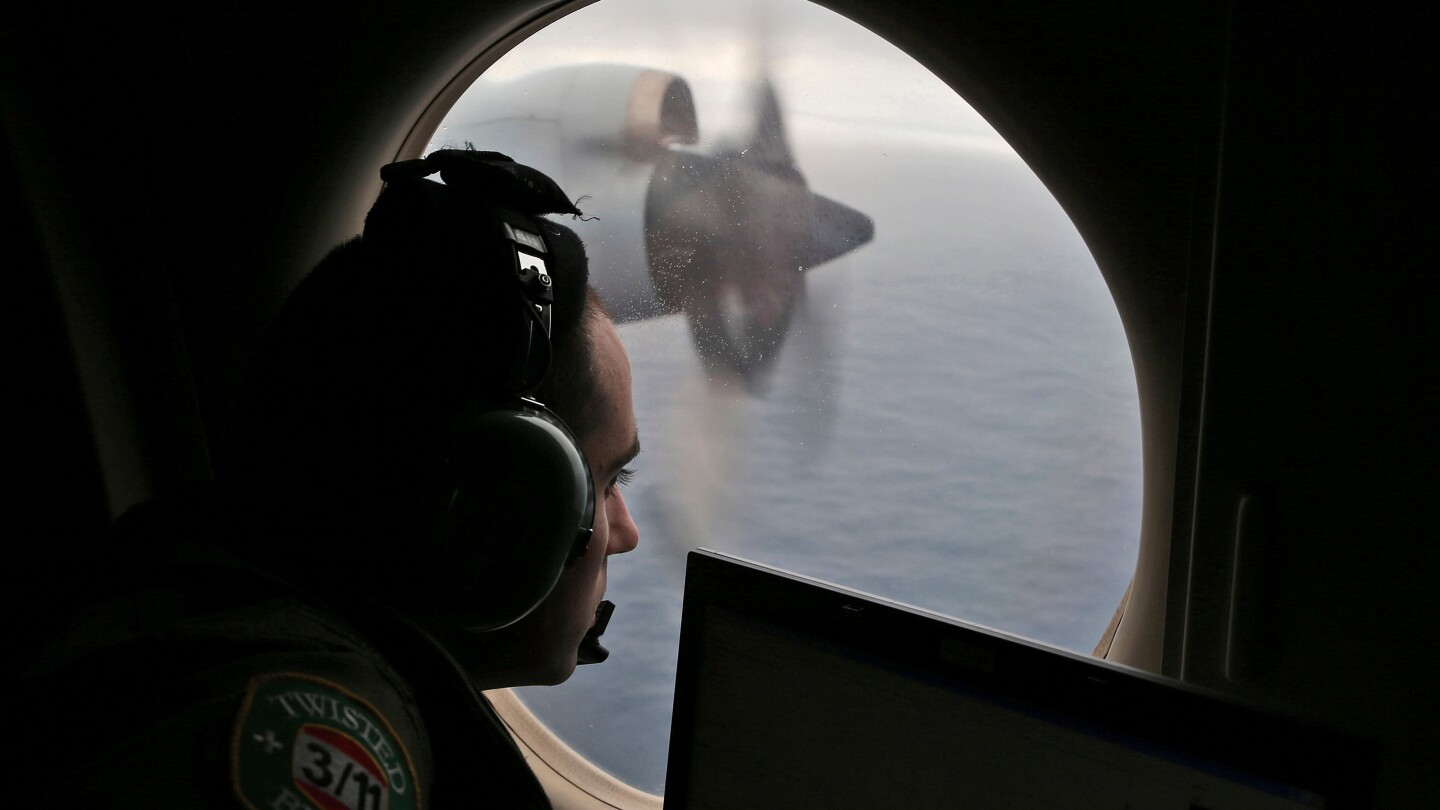
A deep-sea search for Malaysia Airlines Flight 370 began in the Indian Ocean on Wednesday, reviving efforts to solve one of aviation’s greatest mysteries more than a decade after the jet vanished with 239 people on board.
Malaysia’s Transport Ministry announced that a search vessel, the Armada 86 05, arrived at a designated search area equipped with two autonomous underwater vehicles. While the exact location of the search area was not disclosed, the ministry noted that the vessel had prepared for the operation at Fremantle Port in Western Australia.
The government statement did not specifically mention Ocean Infinity, the Texas-based marine robotics firm that led a previous search effort. However, maritime and aviation sources have widely identified the craft referenced in the announcement as belonging to Ocean Infinity. The company has confirmed its involvement but declined further comment, citing the “important and sensitive nature” of the operation.
In December, Malaysian officials had announced that Ocean Infinity would conduct targeted searches of the seabed under a renewed “no-find, no-fee” agreement, meaning the company would only be compensated if it successfully locates the aircraft wreckage.
This marks Ocean Infinity’s second major search attempt for the missing aircraft. The company previously scoured the seabed in 2018 under a similar contract but found no trace of the plane despite extensive efforts. Since then, the firm has upgraded its technology and refined its analytical approach, according to company representatives.
Oliver Plunkett, Ocean Infinity’s CEO, stated last year that the company had been collaborating with multiple experts to narrow down the search zone to what they believe is the most probable crash site, based on reanalysis of existing data and improved methodologies.
Earlier in 2023, Ocean Infinity briefly resumed search operations in a new 15,000-square-kilometer (5,800-square-mile) area of the southern Indian Ocean after receiving approval from Malaysian authorities. However, that effort was suspended in April due to adverse weather conditions in the notoriously rough waters of the region.
The Malaysia Airlines Boeing 777 disappeared from radar shortly after departing Kuala Lumpur for Beijing on March 8, 2014, becoming one of the most perplexing aviation disasters in history. Satellite data later revealed that the aircraft deviated significantly from its planned route, ultimately flying south toward the remote southern Indian Ocean, where investigators believe it crashed.
The reason for this unexpected course change remains unexplained, fueling numerous theories ranging from mechanical failure to deliberate action. The plane’s disappearance triggered one of the largest and most expensive search operations in aviation history, involving multiple countries and sophisticated underwater search technology.
Despite years of searching across vast stretches of the Indian Ocean, the main wreckage has never been found. The only physical evidence of the aircraft’s fate came in the form of debris fragments that washed ashore on beaches along the East African coast and on Indian Ocean islands in the years following the disappearance. Analysis of ocean drift patterns helped narrow down possible crash locations, but the precise resting place of the aircraft remains unknown.
For the families of the 239 passengers and crew members, the renewed search represents both hope for closure and a painful reminder of their decade-long wait for answers. Many have continued to press governments and aviation authorities to maintain search efforts despite the extraordinary challenges and costs involved.
Aviation safety experts maintain that locating the wreckage remains crucial not just for providing answers to grieving families but also for understanding what went wrong and preventing similar incidents in the future.
Fact Checker
Verify the accuracy of this article using The Disinformation Commission analysis and real-time sources.

8 Comments
Locating MH370 would be an incredible achievement, but the challenges of searching such a vast area of ocean are immense. I hope the latest technology and resources prove more successful.
The disappearance of MH370 has baffled aviation experts for years. I’m cautiously optimistic this new deep-sea search will turn up meaningful evidence to explain the plane’s fate.
After all this time, I’m not sure if the MH370 mystery can ever be fully solved. But renewed efforts to search the seabed are admirable and may still uncover important clues.
While the search has been long and arduous, I admire the perseverance to uncover the truth about what happened to MH370. Even small clues could make a big difference in this case.
It’s encouraging to see the search for MH370 resume, even over a decade later. The mysteries surrounding this tragic event deserve closure if at all possible. I hope the latest deep-sea expedition uncovers new clues.
The relentless efforts to find MH370 demonstrate the world’s commitment to solving aviation’s greatest unsolved mystery. I wish the search team the best of luck in this latest endeavor.
Agreed. Finding the plane’s final resting place could provide vital answers and closure for the victims’ families. Every new search effort gives hope.
The disappearance of MH370 remains one of the greatest aviation mysteries of our time. I sincerely hope this new deep-sea operation can provide long-awaited answers for the victims’ families.