


Listen to the article
Federal Judge to Block Trump Administration’s Effort to End Family Reunification Program
A federal judge in Boston announced Friday her intention to temporarily block the Trump administration’s attempts to end a program that provides legal protections for more than 10,000 family members of U.S. citizens and green card holders.
U.S. District Judge Indira Talwani indicated during a hearing that she would issue a temporary restraining order, though she did not specify when the order would take effect. The case represents part of the administration’s broader strategy to terminate temporary legal protections for numerous immigrant groups.
The program in question, Family Reunification Parole (FRP), primarily affects individuals from Colombia, Cuba, Ecuador, El Salvador, Guatemala, Haiti, and Honduras. Most participants face the loss of their legal status by January 14 following the Department of Homeland Security’s termination of the protections in late 2023.
“The government, having invited people to apply, is now laying traps between those people and getting the green card,” said Justin Cox, an attorney with the Justice Action Center who represented the plaintiffs. “That is incredibly inequitable.”
The case involves five plaintiffs, but their lawyers are seeking to extend any ruling to cover all program participants. According to court documents filed by the plaintiffs, “Although in a temporary status, these parolees did not come temporarily; they came to get a jump-start on their new lives in the United States, typically bringing immediate family members with them.”
Since arriving in the U.S., these individuals have secured work authorization, obtained employment, and enrolled their children in school, establishing roots in American communities.
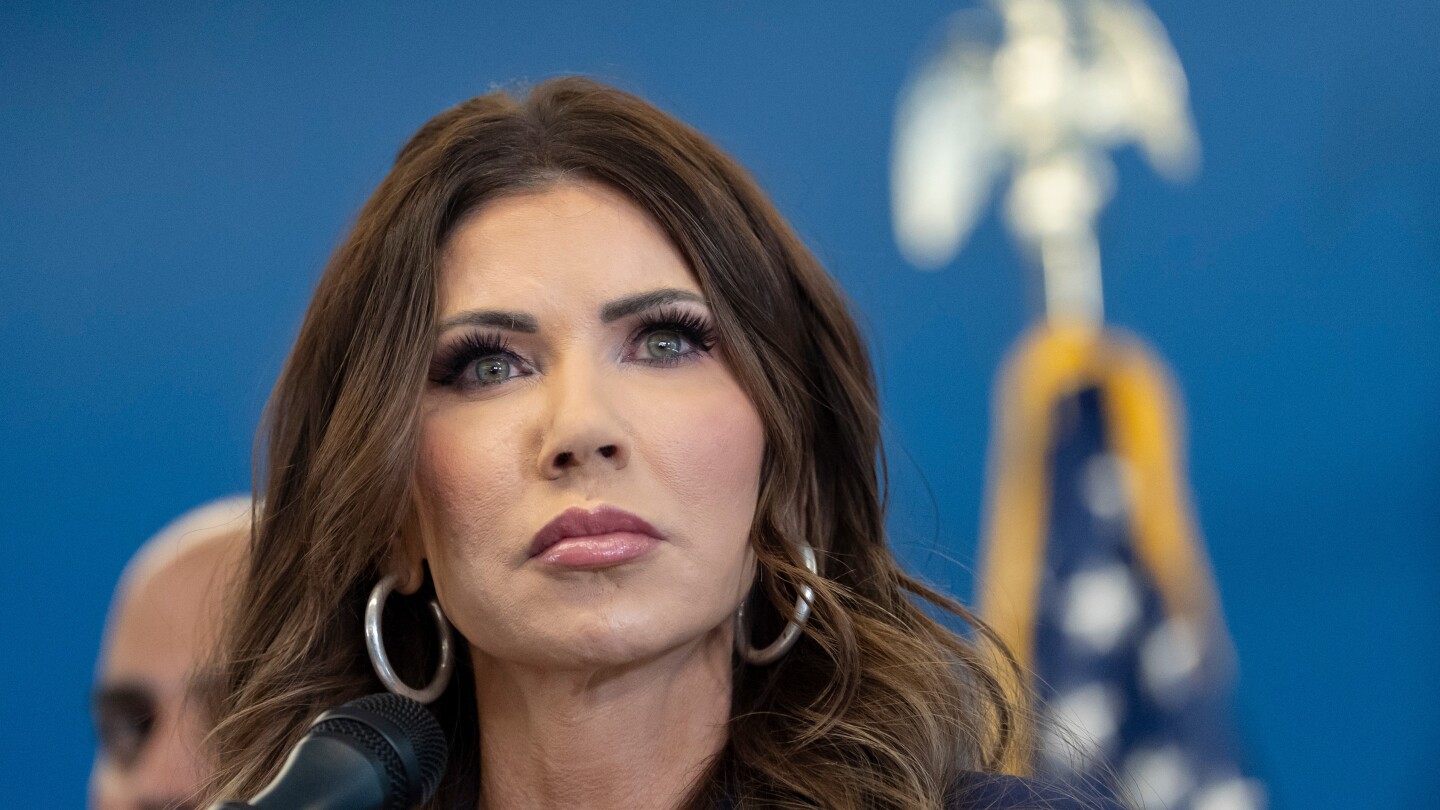
The government defended its actions in court, arguing that Homeland Security Secretary Kristi Noem has the authority to terminate any parole program and provided adequate notice by publishing the termination in the Federal Register. Government attorneys also claimed the program’s end was necessary for national security reasons, citing concerns about inadequate vetting of participants and arguing that resources would be better allocated to other immigration initiatives.
“Parole can be terminated at any time,” said Katie Rose Talley, a government attorney. “That is what is being done. There is nothing unlawful about that.”
While Judge Talwani acknowledged the government’s authority to end the program, she questioned the manner in which it was terminated. The judge specifically pressed government lawyers to demonstrate how affected individuals were directly notified of the program’s end, beyond the Federal Register announcement.
“I understand why plaintiffs feel like they came here and made all these plans and were going to be here for a very long time,” Talwani stated during the hearing. “I have a group of people who are trying to follow the law. I am saying to you that, we as Americans, the United States needs to.”
This case follows a recent ruling by another federal judge that allowed hundreds of people from South Sudan to legally live and work in the United States. However, the broader trend in higher courts has favored the administration’s efforts to reduce immigration protections.
In May, the Supreme Court removed a significant obstacle for the Trump administration by lifting a lower-court order that had preserved humanitarian parole protections for more than 500,000 migrants from Cuba, Haiti, Nicaragua, and Venezuela. This decision came after the Court had previously allowed the revocation of temporary legal status from approximately 350,000 Venezuelan migrants in a separate case.
The Supreme Court did not provide its reasoning in the brief order, as is typical for rulings on its emergency docket, though two justices publicly dissented from the majority decision.
As this latest legal battle unfolds, thousands of families remain in limbo, uncertain about their future legal status and ability to remain in the United States with their citizen and permanent resident family members.
Fact Checker
Verify the accuracy of this article using The Disinformation Commission analysis and real-time sources.

5 Comments
This is a complex and sensitive issue. I hope the judge’s temporary block can provide some breathing room to find a fair and humane solution that balances border security with family unity.
Ending legal protections for families could have serious humanitarian consequences. A measured, compassionate approach seems warranted here.
Interesting that the administration is trying to terminate these protections. I’m curious to learn more about the rationale and potential impacts on affected individuals and communities.
The attorney’s comments about ‘laying traps’ raise some concerning questions about the government’s motivations and treatment of vulnerable populations.
This is an important ruling to temporarily block the administration’s efforts. Family reunification is a critical issue that deserves careful, thoughtful consideration by policymakers.