


Listen to the article
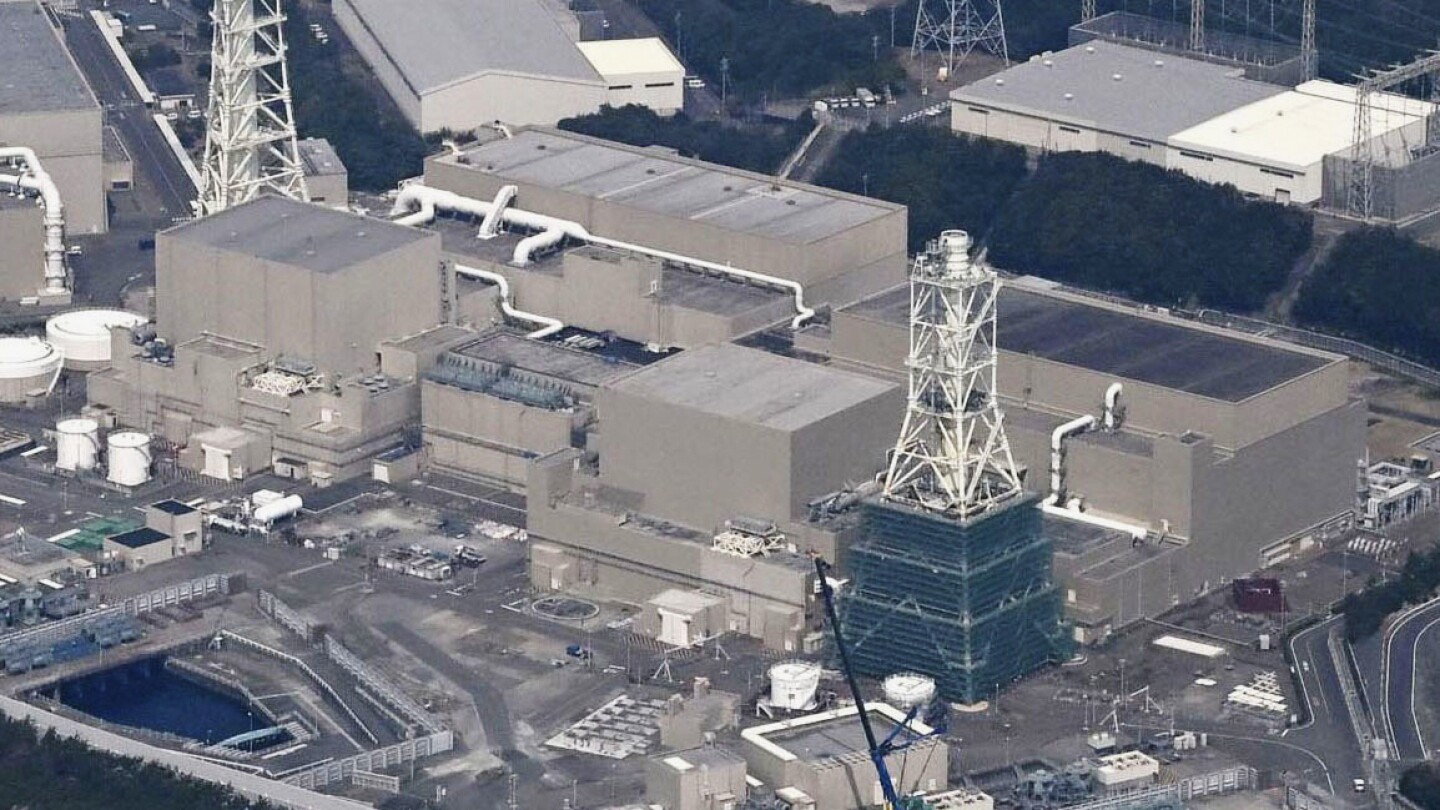
Japan’s nuclear regulator announced Wednesday it is terminating the safety screening process for two reactors at the Hamaoka nuclear power plant after the operator, Chubu Electric Power Co., was found to have fabricated earthquake risk data.
The decision represents a significant setback to Japan’s efforts to revitalize its nuclear energy sector, which has struggled to recover since the 2011 Fukushima Daiichi disaster. Currently, less than a quarter of Japan’s commercial reactors are operational, even as the government pushes to increase nuclear power generation to address rising energy costs and reduce carbon emissions.
Chubu Electric had applied in 2014 and 2015 to restart the No. 3 and 4 reactors at the Hamaoka plant, located approximately 200 kilometers west of Tokyo. The coastal facility sits in a region particularly vulnerable to megaquakes from the Nankai Trough, making accurate seismic risk assessment critically important.
The Nuclear Regulation Authority (NRA) began investigating the matter last February after receiving information from a whistleblower that the utility had been providing falsified data that downplayed potential seismic risks for years. The screening process was suspended after regulators confirmed the allegations, which Chubu Electric acknowledged in mid-December.
“Ensuring safety is the first and foremost responsibility for nuclear plant operators,” said Shinsuke Yamanaka, chair of the NRA. “It is outrageous and it’s a serious challenge to safety regulation.” Yamanaka noted that the seismic data manipulation was clearly deliberate, making the violation particularly serious.
The scandal became public on Monday when Chubu Electric President Kingo Hayashi admitted that company workers had used inappropriate seismic data with what appeared to be an intentional effort to minimize earthquake risks. Hayashi issued an apology and committed to establishing an independent panel to investigate the misconduct.
Yamanaka indicated that any future screening process would need to start from scratch, or might be rejected entirely. The NRA plans to make a final decision on the matter next week, proceeding independently of the utility’s own investigation.
The Hamaoka plant has been controversial since before the Fukushima disaster. Former Prime Minister Naoto Kan requested its shutdown in 2011 due to earthquake concerns. Two of its five reactors are already being decommissioned, while the fifth remains idle.
Japan’s nuclear industry faces complex challenges as it attempts to rebuild public trust. The country shut down all its nuclear plants following the Fukushima disaster, which was triggered by a massive earthquake and tsunami. The incident released radioactive materials into the environment and forced the evacuation of thousands of residents, many of whom have never returned to their homes.
Despite government efforts to promote nuclear energy as essential to meeting climate goals and energy security needs, public opinion remains deeply divided. Safety concerns persist, and communities near nuclear facilities often resist restart efforts.
According to the NRA, Japan currently has 57 commercial nuclear reactors, with only 13 in operation. Twenty reactors remain offline but potentially operable, while 24 others are in various stages of decommissioning.
The data falsification scandal at Hamaoka highlights the ongoing tensions between safety regulations and industry pressure to restart reactors. It also raises questions about oversight mechanisms and corporate governance within Japan’s nuclear sector.
The scandal could potentially impact Japan’s broader energy policy, which aims to increase nuclear power’s share in the country’s electricity mix to between 20-22% by 2030, up from less than 10% currently. This target was set as part of Japan’s strategy to achieve carbon neutrality by 2050.
Fact Checker
Verify the accuracy of this article using The Disinformation Commission analysis and real-time sources.

12 Comments
The Fukushima disaster still looms large in Japan’s psyche. Restarting nuclear reactors requires rigorous safety reviews and honesty from operators. Cutting corners on earthquake risk assessment is reckless and unacceptable.
Absolutely. Japan must learn from the Fukushima tragedy and ensure robust safety protocols are in place. Falsifying data is an egregious violation that jeopardizes public wellbeing.
While Japan needs to explore all energy options, including nuclear, public safety must come first. Falsifying earthquake risk data is extremely concerning and undermines trust in the industry. The regulator was right to halt the safety review.
Absolutely. Without rigorous, honest safety assessments, the public cannot have confidence in the safety of these nuclear facilities. The regulator should conduct a thorough investigation.
This is a concerning development that could further erode public confidence in nuclear power in Japan. Rigorous safety protocols and honest reporting from operators are essential. The regulator must investigate this thoroughly and ensure proper procedures are in place.
Absolutely. Falsifying critical safety data is unacceptable and jeopardizes public trust. The operator needs to be held accountable, and the safety review process must be transparent moving forward.
The Fukushima disaster is still fresh in the minds of the Japanese public. Restarting nuclear reactors requires complete transparency and trustworthy safety data. Falsifying earthquake risk assessments is a serious breach of public trust.
I agree, the regulator made the right call here. Falsified data cannot be the basis for approving nuclear reactor restarts. Public safety has to be the top priority.
This is a major setback for Japan’s efforts to revive its nuclear power industry. With rising energy costs and emissions concerns, nuclear has an important role to play, but safety must be the top priority. The regulator made the right call to halt this process.
I agree, nuclear power has to be approached with the utmost caution and transparency. Falsifying data is unacceptable and the operator should face serious consequences.
This is deeply concerning. Falsifying critical safety data undermines public trust in nuclear power and risks public safety. The nuclear regulator must thoroughly investigate and ensure proper safety protocols are in place before any restarts.
I agree, this is a serious breach of public trust. The operator needs to be held accountable and the safety review process needs to be transparent to regain confidence.