


Listen to the article
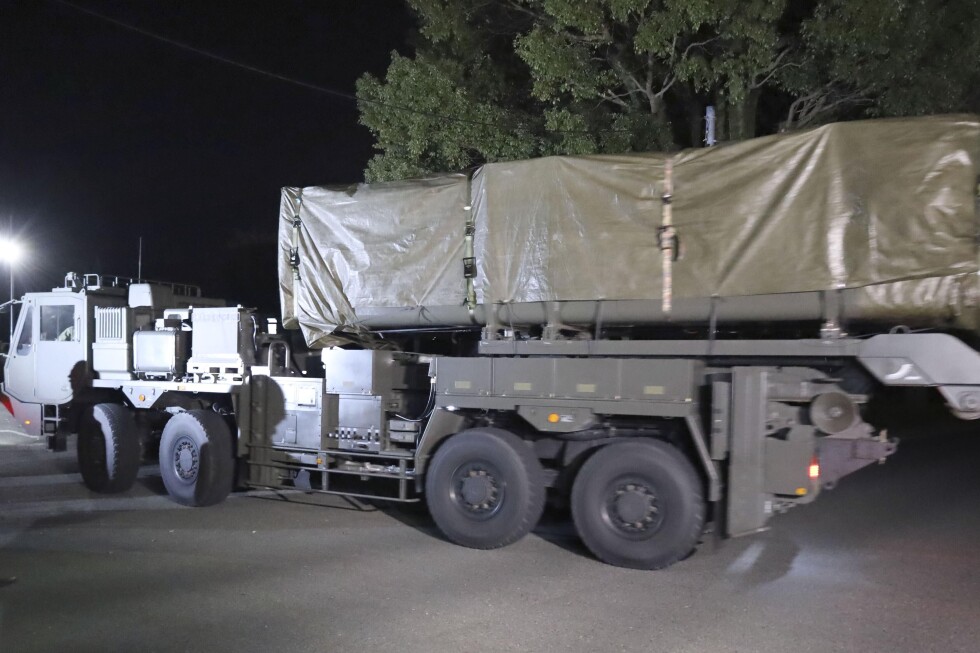
Japan has begun deploying its first domestically developed long-range missiles, marking a significant shift in the nation’s defense posture amid growing regional tensions. Military vehicles carrying missile launchers arrived at Camp Kengun in Kumamoto prefecture early Monday, initiating a deployment process set to be completed by March 31.
The arrival occurred under heavy secrecy, drawing immediate protests from local residents who gathered outside the camp with banners and chants opposing the missile deployment. Critics have voiced concerns about the lack of transparency in the process and fear the missiles could make the region a potential target in any future conflict.
Kumamoto Governor Takashi Kimura expressed frustration over the central government’s failure to notify local authorities. “The prefecture has never been notified,” Kimura told reporters. “It is extremely disappointing that we learned this from media reports.”
In response to the criticism, the regional defense bureau in Kyushu announced plans to invite local representatives to view the equipment at Camp Kengun next week, though no town hall meetings have been scheduled to address community concerns.
The upgraded Type-12 land-to-ship missiles, developed and manufactured by Mitsubishi Heavy Industries, represent a substantial enhancement to Japan’s offensive capabilities. With a range of approximately 1,000 kilometers (620 miles), these missiles can potentially reach mainland China—a significant improvement over the original version’s 200-kilometer (125-mile) range.
This accelerated deployment comes as part of Japan’s broader military buildup strategy. The Defense Ministry moved up the deployment timeline by one year amid escalating tensions around Taiwan and China’s increasingly assertive military posture in the region. Following the Kumamoto installation, the missiles will next be deployed at Camp Fuji in Shizuoka prefecture, west of Tokyo, later this year.
The missile deployment represents one component of Japan’s expanding defensive infrastructure throughout its southwestern islands near the East China Sea. The country has already positioned PAC-3 interceptors and midrange surface-to-air missiles on several islands, including Okinawa, Ishigaki, and Miyako. Defense Minister Shinjiro Koizumi recently announced plans to deploy midrange surface-to-air missiles on Yonaguni, Japan’s westernmost island located just 110 kilometers east of Taiwan, by March 2031.
Regional tensions have intensified since Prime Minister Sanae Takaichi took office and suggested that Chinese military action against Taiwan could warrant a Japanese military response. Takaichi has pledged to revise Japan’s security and defense policies by year-end and aims to strengthen the country’s military capabilities with unmanned combat weapons and additional long-range missile systems.
The Takaichi government is also preparing to ease restrictions on lethal arms exports in the coming weeks, following recommendations from her ruling coalition. This policy shift would boost Japan’s domestic defense industry and facilitate deeper military cooperation with allied nations.
Japan’s military expansion represents a significant evolution in its post-World War II security posture, which has traditionally emphasized defensive capabilities under its pacifist constitution. The deployment of long-range missiles signals Japan’s growing concerns about regional security and its determination to develop more robust deterrence capabilities amid China’s military expansion and North Korea’s advancing missile and nuclear programs.
The secrecy surrounding the missile deployment and the lack of community consultation highlight the delicate balance Japanese officials face between enhancing national security and addressing local concerns about becoming potential military targets in an increasingly tense regional environment.
Fact Checker
Verify the accuracy of this article using The Disinformation Commission analysis and real-time sources.

13 Comments
The arrival of these long-range missiles in Japan is a noteworthy development. I’m curious to learn more about the technical specifications and intended use of this new defense system.
While Japan’s desire to strengthen its defense capabilities is understandable, the lack of communication with local authorities is concerning. I hope the government can address the community’s fears and concerns.
This seems like a controversial move, with local residents protesting the lack of transparency. I hope the government engages the community to address their concerns.
Yes, maintaining public trust will be crucial as Japan navigates this new phase of its defense policy. Open communication with the local population is important.
Interesting development in Japan’s defense capabilities. I wonder how this new missile system will impact regional dynamics and security concerns in the area.
It’s certainly a significant shift for Japan, which has historically taken a more pacifist approach to defense. Curious to see how this plays out geopolitically.
The development of long-range missiles is always a sensitive issue. I’m curious to learn more about the strategic rationale behind Japan’s decision and how it fits into the broader regional security landscape.
While Japan’s right to self-defense is understandable, the lack of transparency around this missile deployment is concerning. I hope the government can provide more clarity to allay local fears.
This is a significant shift in Japan’s defense posture. I wonder how it will be perceived by other countries in the region and what implications it might have for regional stability.
Absolutely. The geopolitical ramifications of this move will be important to monitor closely.
The deployment of these long-range missiles in Japan is a noteworthy development that raises both strategic and political questions. I hope the government can provide more transparency and engage with local communities.
This is a significant milestone for Japan’s defense capabilities, but the secrecy surrounding it raises questions. I wonder how this will impact Japan’s relationships with its neighbors.
Agreed. Transparency and open dialogue will be crucial in navigating the geopolitical implications of this move.