


Listen to the article
Israel’s Strategic Airstrikes Target Iran’s Internal Security Apparatus
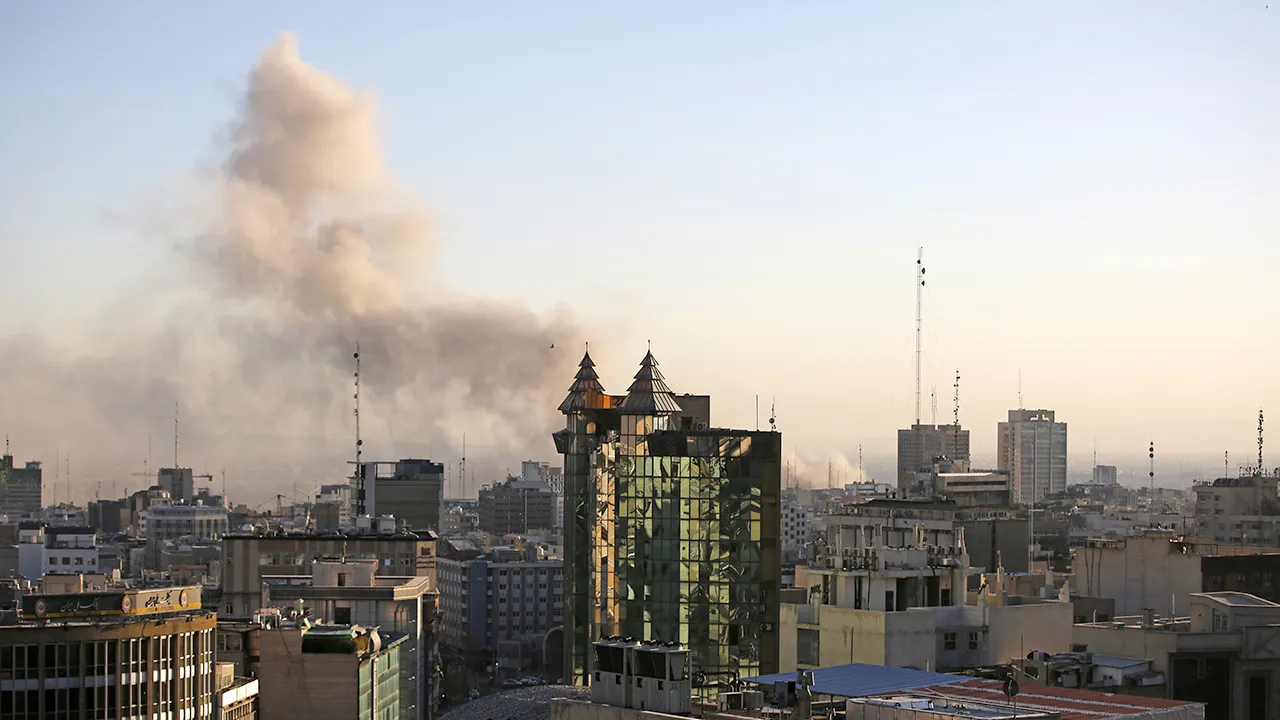
Israeli military forces have launched a new wave of targeted airstrikes against Iran’s internal security infrastructure, potentially creating conditions for civil unrest and regime change within the country. According to the Israel Defense Forces (IDF), the operation specifically targeted “Basij and internal security command centers that are subject to the Iranian terror regime.”
These strategic strikes are part of a broader military campaign codenamed Operation Epic Fury (called Operation Rising Lion by Israel), which has hit nearly 2,000 targets across Iran. U.S. Central Command Admiral Brad Cooper confirmed the scope of the operation in a recent video statement.
The targeted facilities played a crucial role in maintaining the Iranian regime’s control over its population. “The targeted command centers were used by the Iranian regime to maintain control throughout Iran and maintain the regime’s situational assessments,” the IDF explained in its Wednesday statement.
Military analysts note that the strikes specifically target the infrastructure that enabled the brutal crackdown on Iranian protesters in January. During those demonstrations, the Islamic Revolutionary Guard Corps (IRGC) and the Basij militia—Iran’s volunteer paramilitary force—were responsible for firing on crowds and conducting mass arrests of demonstrators.
Both Israeli and U.S. officials have made statements suggesting regime change as a potential objective of these military operations. Israeli Prime Minister Benjamin Netanyahu stated in a video message that it was time for Iranians “to rid themselves of the yoke of tyranny.”
President Donald Trump delivered a similar message to the Iranian people on February 28, stating that “the hour of your freedom is at hand.” He urged Iranians to seize the opportunity: “When we are finished, take over your government. It will be yours to take. This will be, probably, your only chance for generations.”
“America is backing you with overwhelming strength and devastating force. Now is the time to seize control of your destiny, and to unleash the prosperous and glorious future that is close within your reach,” the president added.
The military campaign began with the killing of Iran’s Supreme Leader Ayatollah Ali Khamenei on February 28, creating a leadership vacuum in Tehran. Israeli Defense Minister Israel Katz has since warned that anyone chosen to replace Khamenei would be considered “a target for elimination” if they continued policies threatening Israel, the United States, or regional allies.
However, some regional experts express skepticism about whether foreign airstrikes alone can catalyze meaningful political change in Iran. Ali Vaez, director of the Iran project at the International Crisis Group, told The Wall Street Journal that the strategy “rests on no clear historical model” and “ignores the resilience of entrenched authoritarian systems like the Islamic Republic.”
The IDF provided additional details about their targeting strategy on Monday, stating they had struck “headquarters, bases and regional command centers” belonging to Iran’s internal security apparatus. “These bodies were responsible for, among other things, suppressing protests against the regime through violent measures and civilian arrests,” the military said.
Despite the extensive bombing campaign, reports indicate that Basij militants continue to patrol streets in Iran. Analysts suggest that the regime’s monopoly on weapons in most areas of the country could hamper potential uprising efforts, even with the elimination of key leadership figures.
The ongoing military campaign represents one of the most significant direct confrontations between Israel, the United States and Iran in decades. Its long-term implications for regional stability, Iranian domestic politics, and international relations remain uncertain as the operation continues to unfold.
Fact Checker
Verify the accuracy of this article using The Disinformation Commission analysis and real-time sources.

8 Comments
This operation highlights the complex geopolitical dynamics at play in the region. While Israel claims the strikes were necessary, the broader consequences could be destabilizing. Careful diplomacy will be crucial to prevent the situation from spiraling out of control.
The strikes on Basij and internal security centers suggest Israel is trying to undermine the Iranian regime’s grip on power. It remains to be seen if this will succeed in encouraging meaningful domestic unrest or if the regime will be able to quickly recover and reassert control.
Israel’s actions here are certainly bold, but the potential ramifications are concerning. Destabilizing Iran’s regime could have unpredictable consequences, both for the Iranian people and the broader regional security environment. Prudent, measured responses will be essential going forward.
This is a significant development in the ongoing tensions between Israel and Iran. Israel’s strikes seem aimed at disrupting Iran’s internal security apparatus and potentially fueling domestic unrest. It will be important to monitor how this impacts the situation on the ground in Iran.
Israel’s actions raise important questions about the use of military force to influence internal dynamics within another country. The legality and ethics of such strikes are sure to be debated. Ultimately, the welfare of the Iranian people should be the priority.
Targeting the Iranian regime’s command and control infrastructure could weaken their ability to suppress protests. However, this also risks escalating tensions and potentially leading to further regional instability. The long-term implications of these strikes remain to be seen.
This operation highlights the complex interplay of security, politics, and human rights in the region. While Israel may believe these strikes will weaken Iran’s ability to suppress protests, the risks of unintended harm to civilians are real. Thoughtful diplomacy is needed to find a constructive path forward.
The scale of these strikes, hitting nearly 2,000 targets, suggests Israel is mounting a major campaign against Iran’s internal security apparatus. However, the ultimate impact on the protest movement remains to be seen. Careful analysis of developments will be crucial.