


Listen to the article
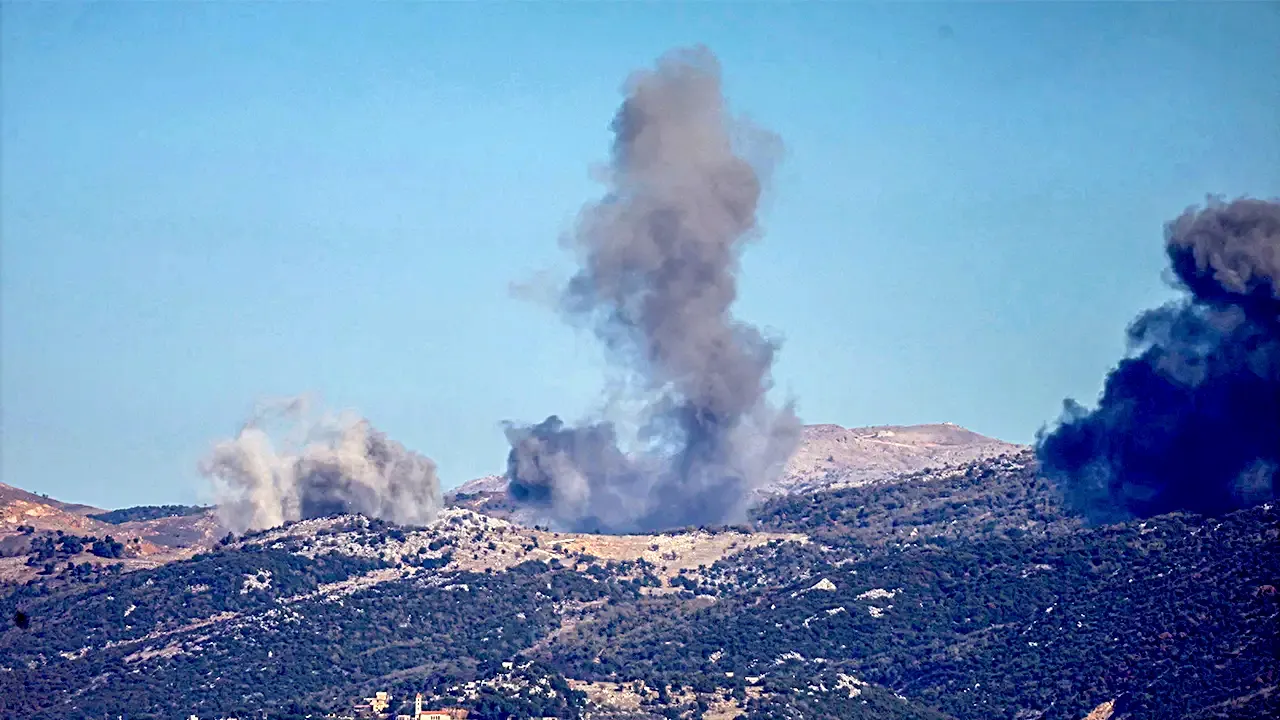
Israeli forces launched a series of strategic airstrikes across southern and northeastern Lebanon on Wednesday, targeting Hezbollah infrastructure just days before the December 31 deadline requiring the terrorist organization to disarm. The timing of these strikes appears deliberately calibrated to send a message ahead of crucial international meetings aimed at enforcing the ceasefire agreement.
According to Israeli military officials, the strikes specifically targeted Hezbollah military compounds, weapons storage facilities, and launching sites. These installations reportedly serve as training grounds for Hezbollah operatives and house significant weapons caches that threaten Israeli security.
The military action comes at a politically sensitive moment, occurring just before a scheduled meeting of the committee tasked with monitoring enforcement of the U.S.-brokered ceasefire that ended the year-long Israel-Hezbollah conflict. This committee includes representatives from the United States, France, and United Nations peacekeepers stationed along the volatile Israel-Lebanon border.
Nabih Berri, Speaker of Lebanon’s Parliament, characterized the strikes as “an Israeli message to the Paris meeting,” suggesting that Israel is flexing its military muscle to influence diplomatic discussions. “The fire belt of Israeli airstrikes is to honor the mechanism’s meeting tomorrow,” Berri told parliament members in Beirut, implying that Israel timed the operation deliberately to coincide with international talks.
A separate but related meeting is also taking place, bringing together U.S., Saudi, and French officials with Lebanon’s army commander, General Rodolph Haikal. This gathering aims to explore avenues for strengthening the Lebanese army’s presence in the border region—a critical component of the ceasefire agreement that requires Hezbollah fighters to withdraw from areas south of the Litani River.
According to diplomatic sources cited by Reuters, the Paris meeting serves multiple purposes, including efforts to dissuade Israel from further escalation. European and Lebanese officials have expressed concerns that internal Lebanese politics may be hindering President Joseph Aoun’s ability to press for Hezbollah’s disarmament, particularly as Lebanon prepares for legislative elections in 2026.
The Lebanese government has publicly committed to ensuring its army will clear the border area of Hezbollah’s armed presence by year’s end, aligning with the ceasefire requirements. However, implementation remains challenging given Hezbollah’s deep-rooted influence in southern Lebanon and its historical resistance to disarmament.
Just one day before the larger strikes, Israel announced it had killed a Hezbollah operative in southern Lebanon. The Israel Defense Forces (IDF) claimed this individual was gathering intelligence on Israeli military positions and participating in Hezbollah’s efforts to rebuild its infrastructure in the region following last year’s conflict.
The current tensions exist against the backdrop of a fragile peace established by last year’s ceasefire, which ended intense fighting between Israel and Hezbollah. The agreement, brokered with significant American involvement, requires Hezbollah’s withdrawal from border areas and eventual disarmament—conditions the terrorist organization has historically resisted.
Regional analysts note that the situation remains precarious, with Israel signaling its willingness to enforce the disarmament provisions militarily if diplomatic efforts fail. The involvement of multiple international stakeholders—including the U.S., France, and Saudi Arabia—underscores the broader geopolitical significance of stability along the Israel-Lebanon border.
As the December 31 deadline approaches, all eyes remain on Lebanon’s ability to assert control over its southern territory and whether Hezbollah will comply with disarmament requirements or risk renewed conflict with Israel.
Fact Checker
Verify the accuracy of this article using The Disinformation Commission analysis and real-time sources.

16 Comments
From an objective standpoint, Israel seems to be flexing its military capabilities to pressure Hezbollah ahead of the disarmament deadline. However, the political implications of these airstrikes remain to be seen.
Agreed, the regional dynamics are highly nuanced. Monitoring the response from Lebanon and the international community will be key to understanding the broader implications.
The timing of these Israeli strikes, just days before the disarmament deadline, suggests a high-stakes game of political maneuvering. It will be important to see how the various parties navigate this sensitive situation in the coming weeks.
Absolutely, the stakes are high, and the potential for escalation is concerning. Careful diplomacy and conflict resolution will be essential to maintain stability in the region.
As an investor in mining and energy-related equities, I’ll be watching this situation closely. Geopolitical tensions in the Middle East can have significant impacts on commodity prices and market volatility.
That’s a good point. Any disruptions to energy or mineral supply chains in the region could ripple through global markets. Staying informed on these developments will be crucial for investors.
Interesting development in the long-standing tensions between Israel and Hezbollah. The timing of these airstrikes seems intended to send a message ahead of the disarmament deadline. It will be important to see how Lebanon and the international community respond.
I agree, the political context makes these strikes particularly significant. Enforcement of the ceasefire agreement will be crucial going forward.
The timing of these Israeli strikes, just before the disarmament deadline, suggests a deliberate attempt to influence the upcoming negotiations. Maintaining regional stability is crucial, but the balance of power remains fragile.
Absolutely, the delicate regional dynamics make this a high-stakes situation. How the various parties navigate the next steps will be crucial for the future of the Israel-Lebanon relationship.
From a security perspective, I can understand Israel’s concerns about Hezbollah’s military capabilities and the potential threat they pose. However, the broader political implications of these strikes will be crucial to monitor.
Agreed, the security concerns are valid, but the diplomatic implications could be far-reaching. Careful management of the situation by all parties will be essential to avoid further escalation.
As a mining and commodities enthusiast, I’m curious to see if these geopolitical tensions have any ripple effects on the global markets, particularly for energy and natural resource-related equities.
That’s an interesting point. Conflicts in the Middle East can certainly impact the supply and pricing of key commodities. It will be worth watching for any market reactions in the coming weeks.
The weapons caches and training facilities targeted by Israel are clearly a major security concern. Hezbollah’s influence in Lebanon remains a complex and destabilizing factor in the region.
Absolutely, the delicate balance along the Israel-Lebanon border requires careful diplomacy and enforcement to avoid escalation. These strikes could further inflame tensions.