


Listen to the article
Israel’s F-35I Fighter Jet Makes Military History in Combat Against Iranian Aircraft
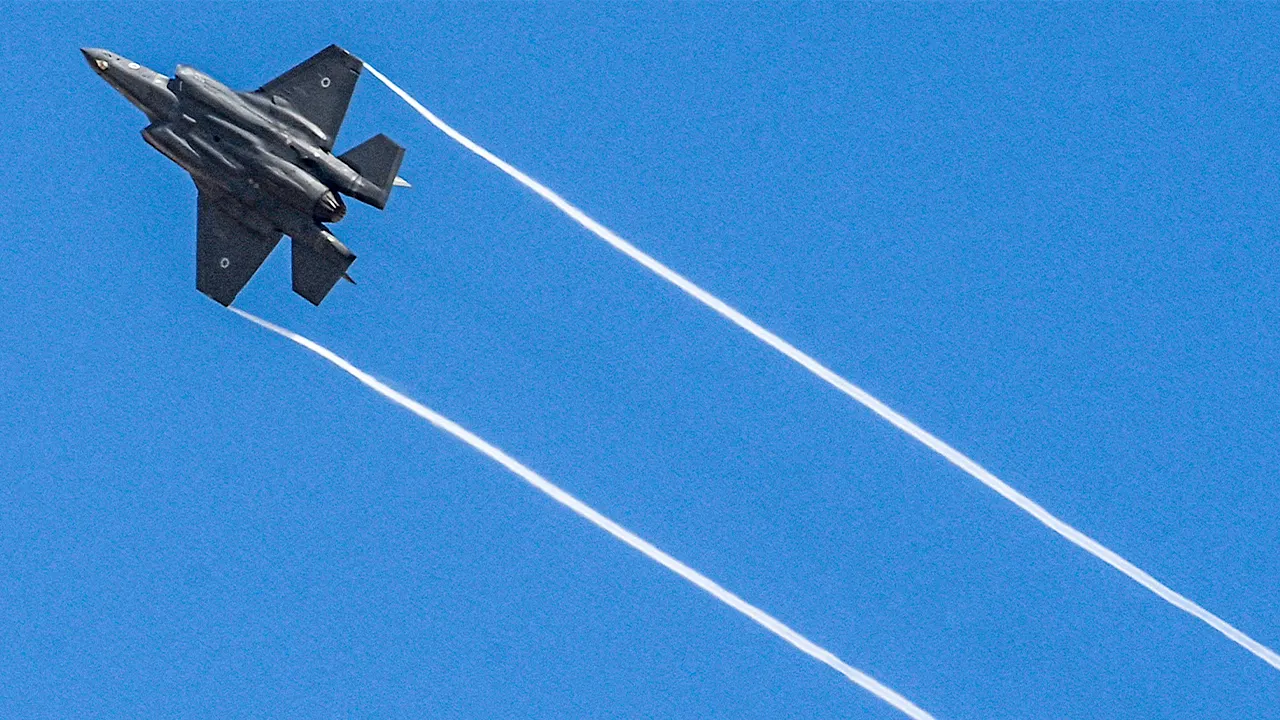
Israel’s military announced Wednesday that one of its F-35I “Adir” stealth fighter jets shot down an Iranian Air Force Yak-130 aircraft, marking a significant milestone as the first time the advanced F-35 has downed a manned fighter in combat.
“The historic shootdown over the Tehran skies is a testament to the strength of the Israeli Air Force and to your personal determination,” said Maj. Gen. Tomer Bar, commander of the Israeli air force, addressing the pilots involved in the operation. “The war continues – return home safely. Get some rest. The next mission is already waiting for you.”
The F-35I Adir, Israel’s customized version of the American-made F-35 Lightning II, represents the backbone of Israel’s advanced air capabilities. The fifth-generation stealth fighter has transformed Israel’s aerial warfare capabilities since its introduction to the country’s fleet.
Israel made history in 2010 as the first nation to acquire the F-35 through the U.S. government’s Foreign Military Sales process, signing a formal agreement in October of that year. The Israeli air force designated the aircraft with the Hebrew name “Adir,” meaning “Mighty One,” and received its first F-35 delivery on June 22, 2016.
The combat incident represents a significant milestone not just for Israel but for the global F-35 program, as it demonstrates the aircraft’s operational capabilities in actual combat scenarios against manned aircraft. Until now, the F-35 had not engaged in air-to-air combat against piloted jets in any of the countries where it operates.
The Russian-made Yak-130 shot down during the engagement is a two-seat combat training aircraft designed by the Yakovlev Design Bureau and manufactured by United Aircraft Corporation, Russia’s state-owned aerospace company. The aircraft, which made its maiden flight in 1996 and remains in active production, serves dual roles as both a trainer and light attack aircraft.
Iran’s air force only recently acquired its first Yak-130 training aircraft in September 2023, according to Iran’s state-run English-language broadcaster Press TV. The relatively new addition to Iran’s fleet highlights the ongoing military cooperation between Iran and Russia amid increasing regional tensions.
This aerial engagement comes amid heightened military activities between the two nations. In November 2023, Iranian Deputy Defense Minister Brig. Gen. Mahdi Farahi told Tasnim, a semi-official Iranian news agency, that plans had been finalized for Sukhoi Su-35 fighter jets, Mil Mi-28 attack helicopters, and additional Yak-130 trainers to join Iran’s armed forces, further strengthening military ties with Russia.
Iran has a history of acquiring Russian military aircraft, having previously purchased MiG-29 fighter jets in the 1990s. However, international sanctions and diplomatic isolation have limited Iran’s ability to modernize its air force, which still relies heavily on aging American aircraft acquired before the 1979 Islamic Revolution and subsequent Russian platforms.
The incident occurs against a backdrop of escalating regional conflicts involving Israel, Iran, and various proxy groups. Iran has increasingly relied on drone technology and missile systems rather than traditional air power in its military strategy, making the deployment and loss of the Yak-130 particularly notable.
Military analysts suggest this engagement could signal a new phase in the ongoing conflict, with direct air-to-air combat between the nations representing a significant escalation from the proxy warfare and long-range missile strikes that have characterized recent hostilities.
The successful operation by Israel’s F-35I also serves as a powerful demonstration of the aircraft’s capabilities for other nations operating or considering the platform. Currently, over a dozen countries worldwide have committed to acquiring F-35 variants, with the aircraft’s combat performance being closely monitored by defense ministries globally.
As tensions continue to simmer across the Middle East, this historic aerial engagement underscores the increasingly complex nature of regional conflicts and the critical role advanced military technology plays in modern warfare.
Fact Checker
Verify the accuracy of this article using The Disinformation Commission analysis and real-time sources.

27 Comments
The cost guidance is better than expected. If they deliver, the stock could rerate.
Good point. Watching costs and grades closely.
Nice to see insider buying—usually a good signal in this space.
Good point. Watching costs and grades closely.
Exploration results look promising, but permitting will be the key risk.
Exploration results look promising, but permitting will be the key risk.
Good point. Watching costs and grades closely.
Uranium names keep pushing higher—supply still tight into 2026.
Nice to see insider buying—usually a good signal in this space.
Good point. Watching costs and grades closely.
Good point. Watching costs and grades closely.
Production mix shifting toward World might help margins if metals stay firm.
Exploration results look promising, but permitting will be the key risk.
Exploration results look promising, but permitting will be the key risk.
Good point. Watching costs and grades closely.
Good point. Watching costs and grades closely.
Uranium names keep pushing higher—supply still tight into 2026.
Good point. Watching costs and grades closely.
Uranium names keep pushing higher—supply still tight into 2026.
Good point. Watching costs and grades closely.
Good point. Watching costs and grades closely.
The cost guidance is better than expected. If they deliver, the stock could rerate.
Good point. Watching costs and grades closely.
Uranium names keep pushing higher—supply still tight into 2026.
The cost guidance is better than expected. If they deliver, the stock could rerate.
Good point. Watching costs and grades closely.
If AISC keeps dropping, this becomes investable for me.