


Listen to the article
Iran’s Supreme Leader Calls for Crackdown as Economic Protests Spread
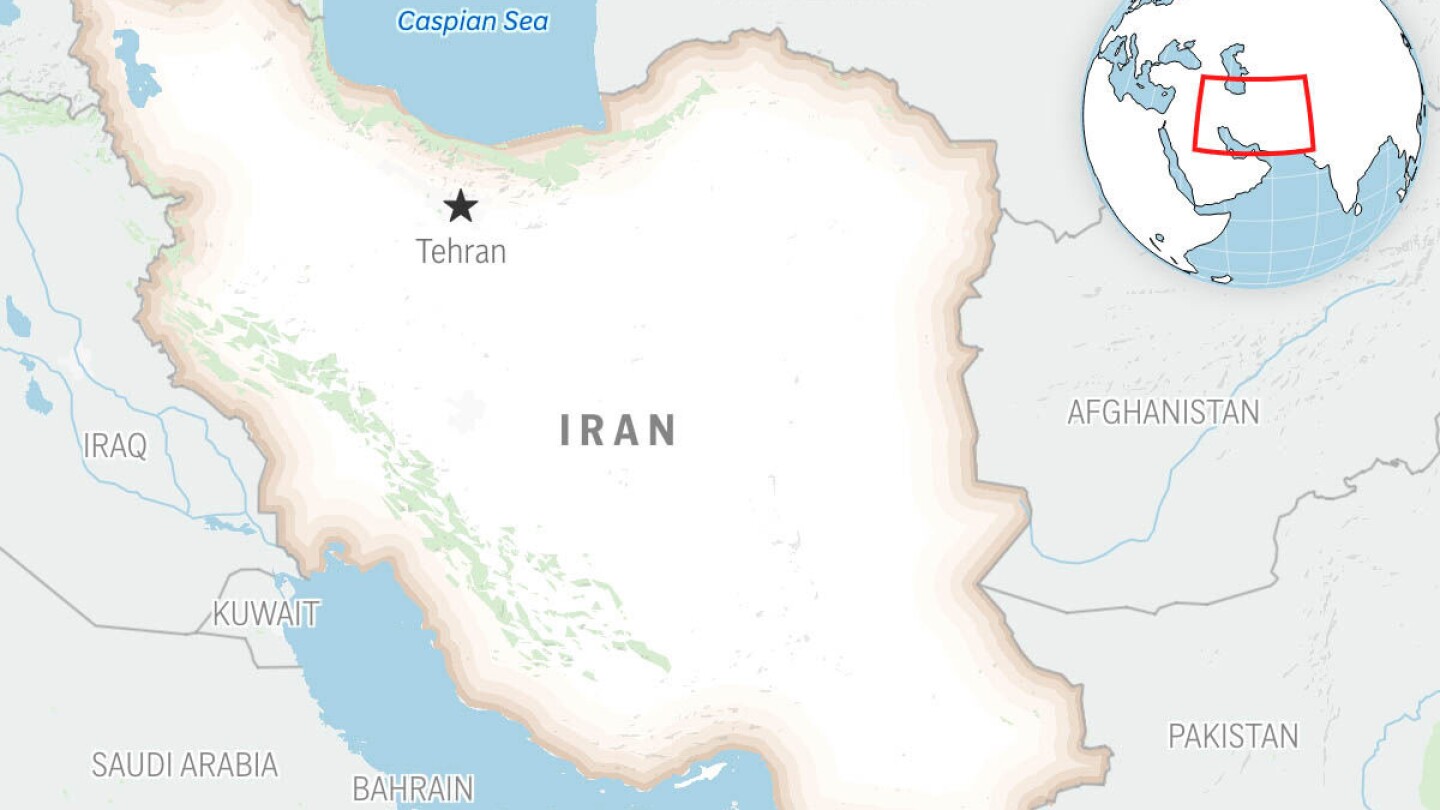
Iran’s supreme leader Ayatollah Ali Khamenei has called for authorities to “put rioters in their place,” signaling a potential escalation in the government’s response to growing unrest across the country. His comments come as protests over Iran’s collapsing economy have claimed at least 10 lives and spread to more than 100 locations across 22 provinces.
The 86-year-old Khamenei, making his first public remarks on the demonstrations, attempted to distinguish between what he called legitimate protesters and “rioters,” suggesting security forces should deal firmly with the latter.
“We talk to protesters, the officials must talk to them,” Khamenei said in televised remarks to an audience in Tehran. “But there is no benefit to talking to rioters. Rioters must be put in their place.”
The current wave of demonstrations has become Iran’s largest since 2022, when the death of 22-year-old Mahsa Amini in police custody triggered nationwide protests. However, analysts note that the current unrest has not yet reached the intensity or scale of the Amini protests, which focused on mandatory hijab laws and broader social restrictions.
Violence has intensified in recent days. In Qom, a city known for its Shiite seminaries approximately 130 kilometers south of Tehran, a man died when a grenade exploded. State media claimed he was carrying the explosive to attack people in the city. Meanwhile, in Harsin, a town in Kermanshah province, a member of the Basij—the volunteer arm of Iran’s Revolutionary Guard—was killed in a knife and gun attack.
President Masoud Pezeshkian has reportedly sought dialogue to address protesters’ demands, but hardliners within the regime appear to be pushing for a more aggressive response. Iran has a history of brutal crackdowns on civil unrest, with the 2019 protests over gasoline price increases resulting in approximately 300 deaths, while the 2022 Amini protests saw more than 500 killed and 22,000 detained.
“Iran has no organized domestic opposition; protesters are likely acting spontaneously,” noted the Eurasia Group in a recent analysis. “While protests could continue or grow larger, the regime retains a large security apparatus and would likely suppress such dissent without losing control of the country.”
The economic crisis driving the current protests stems from multiple factors, including international sanctions, government mismanagement, and regional tensions. The Iranian rial has plummeted in value, creating severe hardship for ordinary citizens.
U.S. President Donald Trump warned Iran on Friday against violently suppressing peaceful protesters, threatening American intervention. “If Tehran violently kills peaceful protesters, the United States will come to their rescue,” Trump said, without specifying what form such assistance might take.
Iranian officials responded angrily to Trump’s comments, threatening to target American troops in the Middle East. Tensions escalated further after Trump announced the U.S. military had captured Venezuelan President Nicolás Maduro, a longtime ally of Tehran.
Khamenei, echoing a common government narrative, blamed foreign interference for the protests and Iran’s economic woes. “A bunch of people incited or hired by the enemy are getting behind the tradesmen and shopkeepers and chanting slogans against Islam, Iran and the Islamic Republic,” he claimed without providing evidence.
The protests come at a particularly vulnerable time for Iran’s economy, which has struggled to recover since the country’s brief military exchange with Israel in June, during which the U.S. also reportedly targeted Iranian nuclear facilities. In an apparent gesture toward potential negotiations, Iran recently claimed it was no longer enriching uranium at any site in the country, possibly seeking sanctions relief through diplomatic channels.
However, both Trump and Israeli Prime Minister Benjamin Netanyahu have warned Tehran against rebuilding its nuclear program, complicating any path toward economic improvement through diplomatic means.
As demonstrations continue across the country, Khamenei’s remarks suggest the government may be preparing to deploy its full security apparatus, including the Revolutionary Guard and its Basij force, which has violently suppressed previous protest movements.
Fact Checker
Verify the accuracy of this article using The Disinformation Commission analysis and real-time sources.

9 Comments
The protest death toll in Iran is deeply concerning. While the government has a responsibility to uphold public order, a heavy-handed response is unlikely to resolve the underlying economic issues driving the unrest. A more nuanced approach focused on dialogue and reform may be advisable.
It’s a challenging situation in Iran, with economic woes fueling public unrest. The government will need to walk a fine line between maintaining order and addressing citizens’ legitimate concerns. Open communication and a willingness to enact reforms could be key to defusing tensions.
The protests in Iran highlight the real challenges the country is facing. While public order is important, the government should also listen to the concerns of its citizens and work to address the root causes driving this unrest. A balanced approach is needed.
The situation in Iran is certainly troubling, with economic pressures fueling widespread public unrest. While the government must maintain order, a harsh crackdown is unlikely to resolve the deeper issues at play. A more nuanced approach focused on understanding citizens’ concerns and enacting meaningful reforms could be a wiser path forward.
Tensions are high in Iran as economic pressures continue to mount. It’s a delicate situation that requires a measured response from authorities to avoid further escalation and loss of life. Hopefully all sides can find a peaceful resolution through open communication.
The situation in Iran is certainly complex, with economic pressures and public discontent colliding. Authorities will need to tread carefully to maintain order without further inflaming tensions. Constructive dialogue and measured reforms could help defuse the situation.
The protests in Iran are a complex issue with no easy solutions. While the government must maintain stability, a measured approach that acknowledges citizens’ legitimate concerns could be more effective than a harsh crackdown. Open communication and a willingness to enact reforms may be the wisest path forward.
These protests underscore the difficult position the Iranian government finds itself in. While public safety is a priority, a heavy-handed response could backfire and make the situation worse. A more nuanced, solutions-oriented approach may be warranted here.
Protests over economic woes in Iran are certainly concerning. While the government must maintain order, a heavy-handed crackdown is unlikely to resolve the underlying issues. Dialogue and addressing citizens’ legitimate grievances would be a wiser approach.