


Listen to the article
Iran’s Supreme Leader Issues Warning to US in Russian, Underscoring Moscow Alliance
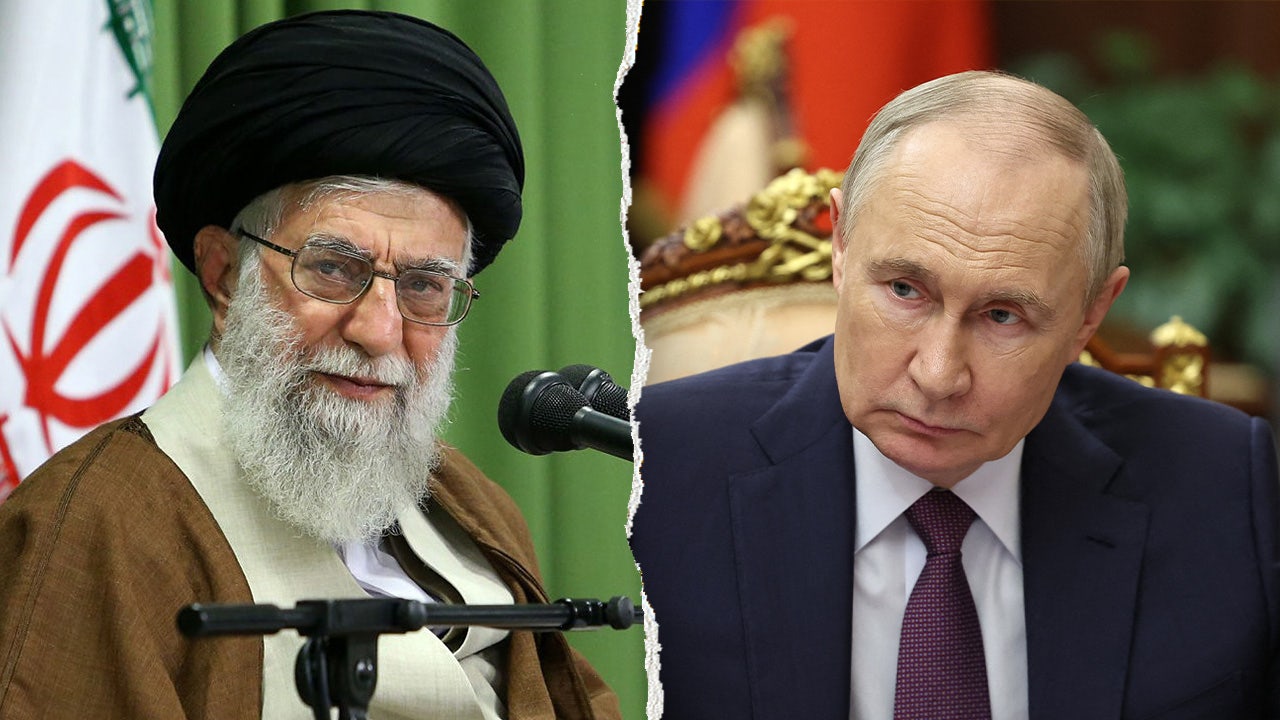
As nationwide protests escalate across Iran and tensions with the United States rise, Supreme Leader Ayatollah Ali Khamenei delivered an unusual diplomatic message this week—using his Russian-language account on X to warn Washington against military intervention.
“The United States today is miscalculating in its approach toward Iran,” Khamenei wrote in Russian on January 11. Hours later, he added that Americans had suffered defeat before because of “miscalculations” and would face similar consequences due to “erroneous planning.”
The choice of language—though described by regional experts as awkwardly translated—signals Iran’s strategic alignment with Moscow at a time when both countries face international isolation.
“This is bad Russian,” noted Ksenia Svetlova, executive director of the Regional Organization for Peace, Economy and Security (ROPES) and Chatham House associate fellow. “It seems that it’s translated by Google Translate, not by a human being.” Nevertheless, she explained the messaging reflects the deepening partnership between Tehran and Moscow in recent years.
The diplomatic signaling comes amid a severe internal crisis in Iran. Human rights organization HRANA reports at least 544 people have been killed during the ongoing protests, with dozens more cases under investigation. Opposition group NCRI claims the death toll exceeds 3,000, though verification remains difficult due to internet blackouts imposed by Iranian authorities.
President Donald Trump has intensified criticism of Iran’s crackdown. When asked if Iran had crossed a “red line,” Trump responded: “They’re starting to, it looks like. And they seem to be some people killed that aren’t supposed to be killed.” He added that his administration was “looking at some very strong options” in response.
Iranian officials have pushed back against what they characterize as American interference, warning that any U.S. military action would trigger retaliation against American forces and allies throughout the Middle East. Despite the aggressive rhetoric, Tehran appears eager to maintain diplomatic channels. Iranian Foreign Ministry spokesman Esmaeil Baghaei confirmed Monday that communication between Foreign Minister Abbas Araghchi and U.S. special envoy Steve Witkoff remains active, with Araghchi reportedly reaching out to Witkoff over the weekend following Trump’s warnings.
The Russia-Iran partnership has become increasingly vital for both regimes. Moscow relies heavily on Iranian-supplied drones and military equipment for its Ukraine campaign, while Iran benefits from Russian diplomatic cover and economic cooperation amid Western sanctions.
“I think that could be a dramatic effect, because they do depend on Iran—specifically military production, the drones and ballistic missiles,” Svetlova said regarding potential instability in Iran affecting Russia’s strategic position. “They need them to continue their war against Ukraine.”
The relationship isn’t without complications. Many Iranians criticized Moscow for failing to support Tehran during its recent 12-day conflict with Israel. “There was a lot of criticism in Iran against Russia that it did not come to help,” Svetlova noted. “It didn’t reach out. It didn’t do anything, basically.”
Nevertheless, both countries find themselves with few alternatives as their international positions narrow. Russia has seen longtime allies weakened or toppled, including Bashar al-Assad in Syria and Nicolás Maduro in Venezuela, making its relationship with Iran increasingly critical despite Moscow’s relative silence regarding the protests challenging the Iranian regime.
Against this backdrop, Khamenei’s Russian-language warning appears designed to signal to both Washington and Moscow that Iran views its confrontation with the United States as part of a shared front with President Vladimir Putin’s government—reinforcing an alliance that has become essential to both nations’ survival amid growing international pressure.
Fact Checker
Verify the accuracy of this article using The Disinformation Commission analysis and real-time sources.

9 Comments
Interesting to see Iran reaching out to Russia through this unusual diplomatic channel. Seems like a move to strengthen their alliance at a time of rising tensions with the West.
Khamenei’s Russian-language message is a bold move, highlighting the geopolitical realities in the region. Iran seems intent on shoring up its ties with Russia in the face of Western pressure.
The poor Russian translation is a bit comical, but the messaging is clear – Iran is solidifying ties with Moscow as a counterweight to US influence in the region.
Agreed, the language choice is more symbolic than practical. Iran is clearly signaling its strategic alignment with Russia.
This Russian-language warning from Khamenei underscores just how close the Iran-Russia relationship has become. Curious to see how the US responds.
It’s an interesting diplomatic move by Iran, using Russian to directly address the US. Speaks to the growing partnership between Tehran and Moscow, despite the language barrier.
The poor translation quality suggests this was more about the symbolic gesture than effective communication. Still, the message is clear – Iran is leaning into its Russian alliance.
The awkward Russian used in these messages is pretty amusing, but the underlying message is serious – Iran is doubling down on its partnership with Russia as tensions with the US escalate.
This unusual diplomatic outreach via Russian language shows just how much the Iran-Russia relationship has evolved. Curious to see how the US interprets this move.