


Listen to the article
Iranian American Content Creators Fill Information Void as Iran Blackout Persists
Iranian American social media creators have emerged as crucial voices interpreting the ongoing conflict in the Middle East, as government-imposed internet blackouts in Iran severely restrict communications from inside the country.
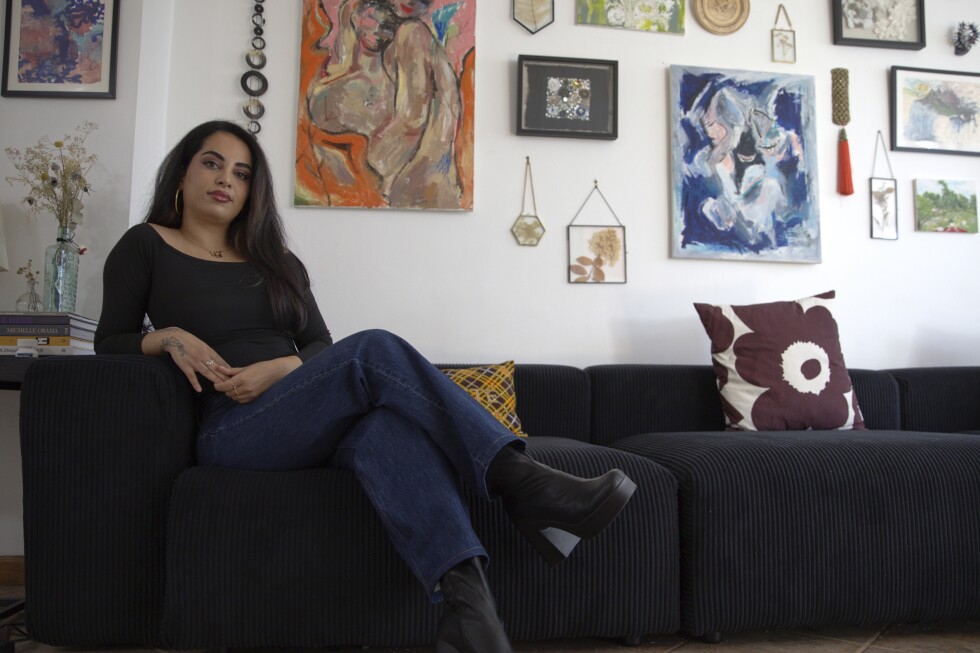
For content creators like New York-based Ariana Afshar, the situation presents a significant challenge. Despite her efforts to produce commentary incorporating perspectives from Iran, where she lived as a teenager and still has family, the communications blackout has made reliable information nearly impossible to gather.
“I think it’s a huge problem among the Iranian diaspora, where they speak for Iranians a lot. I don’t want to fall into that,” said Afshar, who maintains a following of approximately 350,000 across Instagram and TikTok. On the rare occasions she reaches relatives in Iran, they often avoid expressing their true feelings about the conflict or the government out of fear.
The information vacuum has heightened the influence of the Iranian diaspora in the United States, which numbers around 750,000 people according to the Pew Research Center. These creators are responding to surging American interest in the conflict, with Google Search Trends showing queries like “why are we at war with Iran” increasing by 3,000% in early March.
Babak Rahimi, an Iranian professor at the University of California San Diego specializing in culture, religion, and technology, observes that diaspora voices have taken on outsized importance. “The outside media, especially Iranian diaspora, are playing a major role,” Rahimi said. “It’s the kind of role that is not about really information, but it’s mostly about the circulation of emotions.”
The blackout represents a stark departure from other modern conflicts, where citizen journalism and social media posts typically supplement official reporting with firsthand accounts. While established news organizations like The Associated Press maintain journalists in Iran, limited communications pose significant challenges for getting reporting out.
The information gap has created fertile ground for misinformation. Houman Hemmati, a Persian Jewish supporter of the war who left Iran after the 1979 revolution, points to disinformation from the Iranian government, including fabricated firsthand accounts designed to inflame anti-war sentiment among Americans. Simultaneously, false information favorable to U.S. interests has spread widely, including videos wrongly attributing an elementary school strike to Iran that preliminary U.S. military investigations suggest was likely a U.S. action based on faulty intelligence.
The blackout’s impact is evident in personal communications between Iranian families. A 35-year-old Iranian living in New York, who requested anonymity to protect relatives in Iran, described how her family’s WhatsApp chat has become a vital news source for relatives in Tehran. When brief connections are possible, messages stream in asking for updates: “Where did they hit?” and “Everything I watch is just smoke and explosions.”
This communication divide has created sharp contrasts in perspective. While diaspora members engage in passionate political debates from the safety of the United States, their counterparts in Iran face daily realities of the conflict. This disparity has intensified existing divisions within the diaspora.
Some creators support military action, arguing that the Iranian government’s brutal crackdown on dissent, which resulted in thousands of deaths in January, outweighs the risks of conflict. Others highlight the devastating impact of war, pointing to destroyed infrastructure and civilian casualties, including more than 165 people killed in an elementary school strike. They cite previous U.S. interventions in Iraq and Afghanistan as cautionary examples.
For younger content creators like 26-year-old Ciara Moezidis, who was born in the United States but has extended family in Iran, navigating this landscape has proven emotionally taxing. “It’s been incredibly exhausting to navigate this while seeing bombs drop across Iran and not being able to reach our families,” said Moezidis, whose Instagram following has grown by 2,000 since January when she began posting in support of Iranian protesters while opposing war.
Zoya Biglary, an Iranian American with over 600,000 Instagram followers, remains hopeful that Iranians will eventually see the support expressed by diaspora voices. “Maybe they’re looking for proof that someone on the outside kind of sees their humanity,” Biglary said.
As the conflict continues, the role of Iranian American content creators remains central to how the situation is understood in the United States, even as they navigate the complexities of representing perspectives from a country they cannot fully access.
Fact Checker
Verify the accuracy of this article using The Disinformation Commission analysis and real-time sources.

7 Comments
This is a complex situation that highlights the challenges of reporting on conflicts with significant information control and censorship. I appreciate the creators trying to fill the void, but they’ll need to be extremely careful and diligent.
Absolutely, maintaining journalistic integrity and avoiding the spread of misinformation will be critical in this environment.
The information vacuum created by the blackout is certainly concerning. I hope these Iranian American creators can find ways to responsibly amplify authentic voices from within Iran, rather than just relying on their own interpretations.
It’s good to see Iranian American creators stepping up to fill the information void, but they need to be careful not to overly speak for Iranians or risk spreading misinformation. This is a complex issue that requires nuanced reporting.
Agreed, the diaspora voices need to be thoughtful about their role and influence. Maintaining connections and channels of communication with those inside Iran will be crucial.
This is a challenging situation for Iranian Americans trying to share accurate perspectives on the conflict. The internet blackout is clearly restricting communication and making it difficult to get reliable information from inside Iran.
I’m curious to learn more about the specific tactics and tools these creators are using to gather information and share perspectives, despite the internet blackout. What creative ways are they finding to connect with sources in Iran?