


Listen to the article
Iran Plunges Into Nationwide Internet Blackout as Protests Escalate
Iranian Supreme Leader Ayatollah Ali Khamenei has signaled a harsh crackdown against anti-regime protesters as demonstrations enter their second week across the country. The nationwide internet blackout imposed Thursday evening has severely restricted communications throughout Iran, coming shortly after calls for mass protests circulated for 8 p.m. local time.
According to live network data from NetBlocks, internet traffic across the troubled nation collapsed Thursday evening, effectively cutting Iranians off from international communication as the death toll reportedly reaches 44.
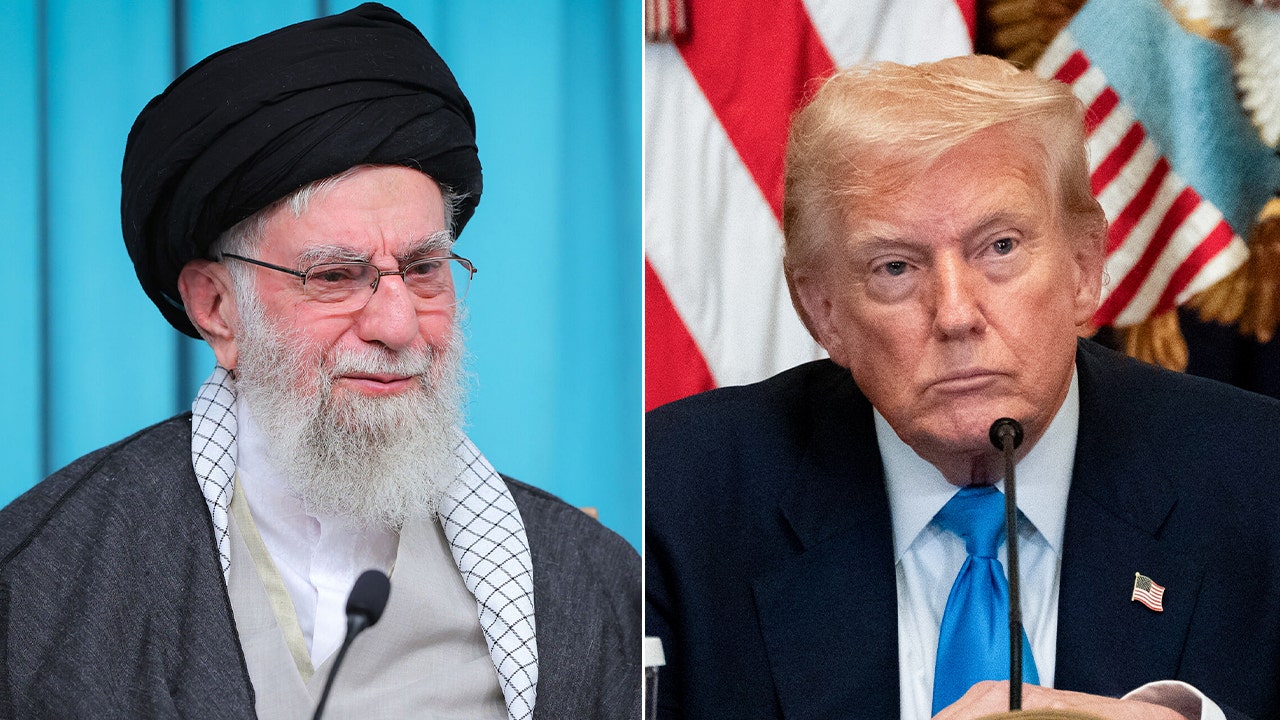
The escalating situation has drawn international attention, particularly from former U.S. President Donald Trump, who recently warned of potential U.S. intervention if the regime violently suppresses peaceful protesters.
“If Iran shots and violently kills peaceful protesters, which is their custom, the United States of America will come to their rescue. We are locked and loaded and ready to go,” Trump wrote on Truth Social on January 2. He later reiterated this position during an interview with Hugh Hewitt, stating that if regime forces killed protesters, “they will be hit very hard.”
Khamenei dismissed Trump’s statements during a televised address on Iranian state TV, claiming that the American president’s hands were “stained with the blood of Iranians.” His remarks prompted supporters to chant “Death to America!” Khamenei further accused protesters of “ruining their own streets to make the president of another country happy,” directly referencing Trump.
Despite the internet blackout, short videos reportedly showing protests have continued to circulate, depicting demonstrators chanting against the regime around bonfires with debris littering the streets in Tehran and other areas. Iranian state media has attempted to frame the unrest as the work of “terrorist agents” from the U.S. and Israel, claiming these foreign actors set fires and instigated violence.
The timing of Thursday’s protests was significant, as they were called for by exiled Iranian Crown Prince Reza Pahlavi, whose father, Shah Mohammad Reza Pahlavi, fled Iran just before the 1979 Islamic Revolution. Following the demonstrations, Pahlavi expressed pride in those who participated.
“I am proud of each and every one of you who took over the streets across Iran on Thursday night… You saw how the massive crowds forced the repressive forces to retreat,” Pahlavi stated on social media. He encouraged even larger protests on Friday night, suggesting this would further weaken the Islamic Republic’s regime, and assured protesters that “victory belongs to them.”
The internet shutdown represents a familiar tactic by the Iranian government, which has previously cut communications during periods of civil unrest to limit the spread of information and coordination among protesters. This approach also restricts the flow of images and videos to the outside world, making it difficult to verify the scale and nature of the demonstrations.
The current wave of protests comes amid ongoing economic hardship in Iran, where sanctions, government mismanagement, and corruption have created significant challenges for ordinary citizens. Previous protest movements in recent years have similarly faced harsh crackdowns by security forces.
As tensions continue to rise, the international community remains watchful of developments, with human rights organizations expressing concern about the potential for escalating violence against demonstrators in the coming days.
Fact Checker
Verify the accuracy of this article using The Disinformation Commission analysis and real-time sources.

8 Comments
The situation in Iran is complex, with valid grievances from protesters but also the need to maintain public order. I hope cooler heads can prevail and that all sides can engage in constructive dialogue to address the root causes of the unrest without resorting to violence or internet blackouts.
You make a fair point. Both sides need to show restraint and work towards a peaceful resolution that respects the rights of citizens to protest while also upholding the rule of law. A measured, diplomatic approach is crucial at this volatile moment.
This is a concerning situation in Iran. While protesters have the right to voice their grievances, damaging public property is counterproductive and plays into the regime’s hands. I hope the authorities show restraint and engage in meaningful dialogue to address the root causes of the unrest.
It’s concerning to see the Iranian regime resort to such harsh measures. While President Trump’s rhetoric may be inflammatory, the underlying human rights issues deserve serious attention from the international community. A measured, diplomatic approach focused on de-escalation and finding political solutions would be the best path forward.
The Iranian government’s crackdown on protesters is deeply troubling. While property damage is unacceptable, the regime’s authoritarian response is likely to further inflame tensions and undermine its legitimacy. The international community must closely monitor the situation and be prepared to take appropriate action if human rights are violated.
This situation highlights the complex dynamics at play in Iran. While the protesters’ grievances may be valid, resorting to violence and damaging public property is counterproductive. The Iranian government’s heavy-handed tactics, including internet shutdowns, are also deeply concerning. I hope all sides can engage in meaningful dialogue to find a peaceful resolution.
Cutting off internet access is a heavy-handed tactic that will only further inflame tensions. The international community should monitor the situation closely and be prepared to take appropriate action if the regime resorts to violent crackdowns on peaceful protesters.
I agree, internet shutdowns are a clear sign of an authoritarian government afraid of transparency and accountability. The world is watching, and Iran’s leaders would be wise to heed the calls for reform and respect for human rights.