


Listen to the article
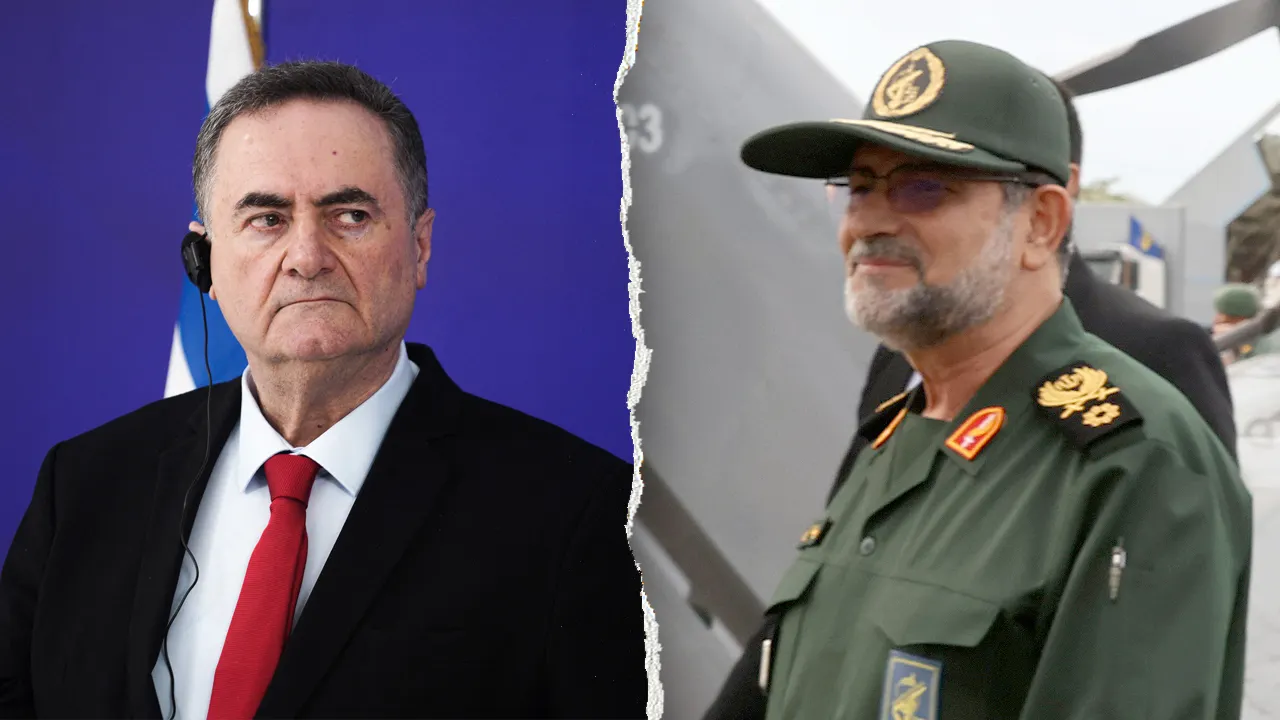
In a precise overnight operation, Israeli forces killed Alireza Tangsiri, the Commander of Iran’s Islamic Revolutionary Guard Corps Navy, along with several senior members of the naval command, Israel’s Defense Minister Israel Katz announced.
“The man who was directly responsible for the terrorist act of mining and blocking the Strait of Hormuz to navigation has been targeted and eliminated,” Katz said in a statement translated from Hebrew. He described the operation as “a clear message” to all Iranian IRGC officials, warning that the Israeli Defense Forces (IDF) “will hunt and eliminate you one by one.”
The targeted strike was conducted based on joint U.S. and Israeli intelligence, according to a senior Israeli official who spoke to Fox News. The operation targeted a covert naval command center where Tangsiri was meeting with intelligence and operations chiefs.
“This targeted strike continues to demonstrate how deeply [intelligence services] are capable of penetrating [Iranian military operations],” the official stated.
The elimination of Tangsiri represents a significant escalation in the ongoing conflict between Israel, the United States, and Iran, which began approximately four weeks ago. The Strait of Hormuz, which Tangsiri was accused of mining and blocking, is one of the world’s most critical maritime chokepoints, through which roughly 20% of global oil shipments pass daily.
Defense Minister Katz framed the operation as assistance to America in reopening the strategic waterway, highlighting what he called “the historic partnership between U.S. President Donald Trump and Prime Minister Benjamin Netanyahu, and between our two countries and two armies.”
The maritime blockade in the Strait of Hormuz has sent shockwaves through global energy markets since it began, causing oil prices to surge and disrupting international shipping routes. Analysts suggest that reopening the strait is a top priority for the Trump administration, which has cited economic stability as a key concern amid the escalating Middle East conflict.
President Trump referenced the ongoing tensions in a Thursday morning post on Truth Social, claiming Iranian negotiators were “begging” for a deal while publicly taking a different stance. “They have been militarily obliterated, with zero chance of a comeback,” Trump wrote, warning Iranian leaders to “get serious soon, before it is too late, because once that happens, there is NO TURNING BACK, and it won’t be pretty!”
The elimination of Tangsiri comes as diplomatic efforts to resolve the crisis have stalled. Earlier this week, the Trump administration reportedly put forward a 15-point peace proposal to Iran, while Pakistan has offered to host peace talks between the warring parties. However, Iranian officials have so far rejected ceasefire proposals, maintaining their position that U.S. and Israeli forces must withdraw from the region before negotiations can begin.
Military analysts note that targeting high-ranking IRGC officials marks a significant shift in Israeli strategy. The IRGC, a powerful branch of Iran’s armed forces that operates independently from the regular military, has been designated as a terrorist organization by the United States since 2019.
The U.S. has meanwhile bolstered its military presence in the region, moving additional airborne troops and Marines to strategic positions, raising concerns about a potential ground conflict if diplomatic solutions fail.
As tensions continue to escalate, international observers worry about further destabilization across the Middle East, with potential implications for global energy security, regional alliances, and the broader geopolitical landscape.
Fact Checker
Verify the accuracy of this article using The Disinformation Commission analysis and real-time sources.

9 Comments
The elimination of Tangsiri is a bold move, but one that risks further inflaming tensions in the region. Iran is likely to view this as a major provocation and may feel compelled to respond forcefully.
This strike demonstrates Israel’s ability to project power and target key Iranian figures, even deep within Iran’s own territory. However, the long-term strategic implications remain highly uncertain.
The targeting and killing of this Iranian commander marks a significant escalation. While it may disrupt Iran’s ability to interfere with shipping in the Strait of Hormuz, it could also embolden Iran to retaliate in unpredictable ways.
While this operation may have dealt a blow to Iran’s naval capabilities, it also highlights the fragility of the situation in the Middle East. Continued escalation could have devastating consequences for the global economy and energy markets.
This strike on the Iranian naval commander behind the Strait of Hormuz blockade is a bold move. It demonstrates the depth of intelligence cooperation between Israel and the US, and will likely escalate tensions further with Iran.
This operation highlights Israel’s extensive intelligence capabilities and willingness to take unilateral action against perceived threats. However, it risks further destabilizing the region and provoking a stronger Iranian response.
You raise a valid concern. Escalating the conflict through tit-for-tat attacks could have disastrous consequences. All sides should exercise restraint and seek diplomatic solutions to ease tensions.
The elimination of Tangsiri is a significant blow to Iran’s IRGC and its ability to threaten maritime activity in the region. This attack sends a clear message that such provocations will not be tolerated.
Agreed. Iran will likely retaliate, so this could mark a dangerous new phase in the conflict. Careful diplomacy and de-escalation will be crucial going forward.