


Listen to the article
Iranian Hacker Wanted by FBI Killed in Israeli Strike, According to Iranian Media
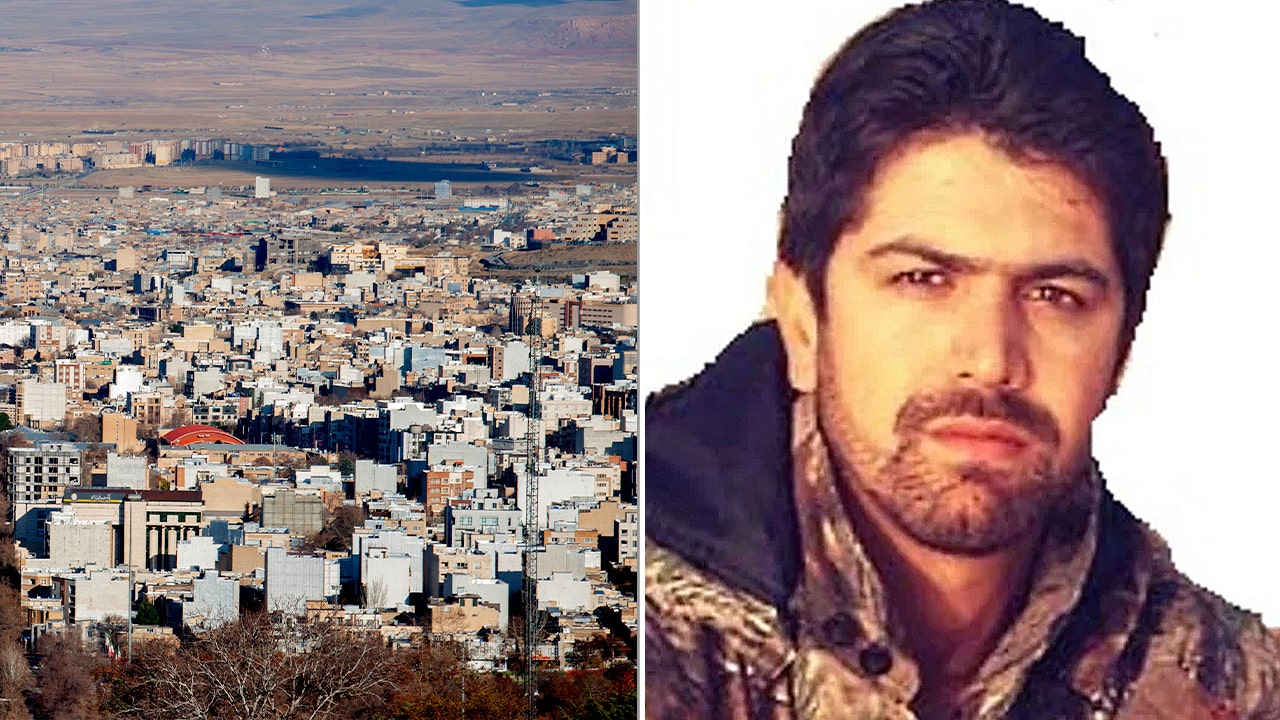
A prominent Iranian hacker long sought by U.S. authorities was reportedly killed last week during a joint Israeli strike on Iran, according to Iranian media sources. Mohammad Mehdi Farhadi Ramin, who had been on the FBI’s wanted list since 2020, died in the city of Hamadan, with his funeral held on Monday, Iran International reported.
Farhadi had been indicted by a federal grand jury in Newark, New Jersey, in September 2020 for allegedly conducting extensive cyber intrusion campaigns on behalf of the Iranian government. His activities reportedly dated back to at least 2013 and targeted a wide range of American entities, including corporations, universities, defense contractors, and nonprofit organizations.
U.S. authorities accused Farhadi of stealing sensitive national security information and personal data of American citizens. According to investigators, he systematically harvested credit card details and Social Security numbers, using this information to fund illicit activities while also selling some of the stolen data on black market platforms.
The Justice Department had previously characterized Farhadi’s activities as a significant threat to national security. “They brazenly infiltrated computer systems and targeted intellectual property and often sought to intimidate perceived enemies of Iran, including dissidents fighting for human rights in Iran and around the world,” the department stated when announcing the charges against him.
The scope of Farhadi’s alleged cyber operations was particularly concerning to U.S. intelligence and law enforcement agencies. He reportedly compromised email accounts by creating covert automated forwarding rules that secretly directed all incoming and outgoing communications to himself and his co-conspirators, allowing continuous monitoring of victims’ correspondence.
Through these sophisticated intrusion techniques, Farhadi and his team allegedly accessed and exfiltrated hundreds of terabytes of data relating to national security, foreign policy, civilian nuclear research, and aerospace technologies. Unpublished scientific studies were also among the materials reportedly stolen.
In addition to data theft, Farhadi and a co-defendant were accused of digital vandalism with political motives. They allegedly defaced websites with ideological messaging intended to project Iranian influence, including imagery of burning Israeli flags and threatening content suggesting the impending downfall of nations considered hostile to Iran, such as the United States, Israel, and Saudi Arabia.
The timing of Farhadi’s reported death coincides with increased military tensions between Israel and Iran. His elimination represents a significant blow to Iran’s cyber warfare capabilities, which have become an increasingly important component of the country’s asymmetric military strategy in recent years.
Cybersecurity experts have long identified Iran as one of the most active state sponsors of cyber attacks globally. The country has developed substantial capabilities in this domain as a cost-effective means of projecting power and gathering intelligence without risking conventional military confrontation with technologically superior adversaries.
The reported killing of such a high-profile cyber operative indicates the seriousness with which Israel and its allies view the threat posed by Iran’s cyber warfare program. It also demonstrates how the shadowy world of cyber espionage has become increasingly intertwined with kinetic military operations in modern conflict.
The Pentagon has not yet commented on Farhadi’s reported death, and there has been no official acknowledgment from U.S. authorities regarding their potential involvement in or knowledge of the operation that led to his demise.
Fact Checker
Verify the accuracy of this article using The Disinformation Commission analysis and real-time sources.

8 Comments
This incident underscores the importance of international cooperation in combating cross-border cybercrime. Sharing intelligence and coordinating responses are crucial to disrupting state-sponsored hacking efforts.
This is an important development in the ongoing cybersecurity battle between the US and Iran. Farhadi was a prolific hacker who allegedly stole sensitive data and enabled illicit activities. His reported death is a significant blow to Iran’s cyber capabilities.
Agreed. Cyber attacks from nation-states pose a major threat, so removing key actors like Farhadi is critical for protecting American interests and citizens.
I’m curious to learn more details about how this strike was carried out and the intelligence that led to it. Successful targeted operations against high-profile cyber criminals are rare.
Farhadi’s alleged crimes were serious, but I hope due process was followed and that innocent lives were not lost in this operation. Targeted killings raise complex ethical and legal issues.
That’s a fair concern. The use of lethal force against cyber threats, even high-profile ones, should be thoroughly justified and in accordance with international laws and norms.
Cyberwarfare is a complex and evolving landscape. While this takedown is a win for the US and allies, we must remain vigilant as Iran likely has other skilled hackers ready to step up.
That’s a good point. Cybersecurity is an ongoing battle, and eliminating individual threats, while important, doesn’t eliminate the broader challenge.