


Listen to the article
Iran, FIFA at Odds Over World Cup Venue Amid Diplomatic Tensions
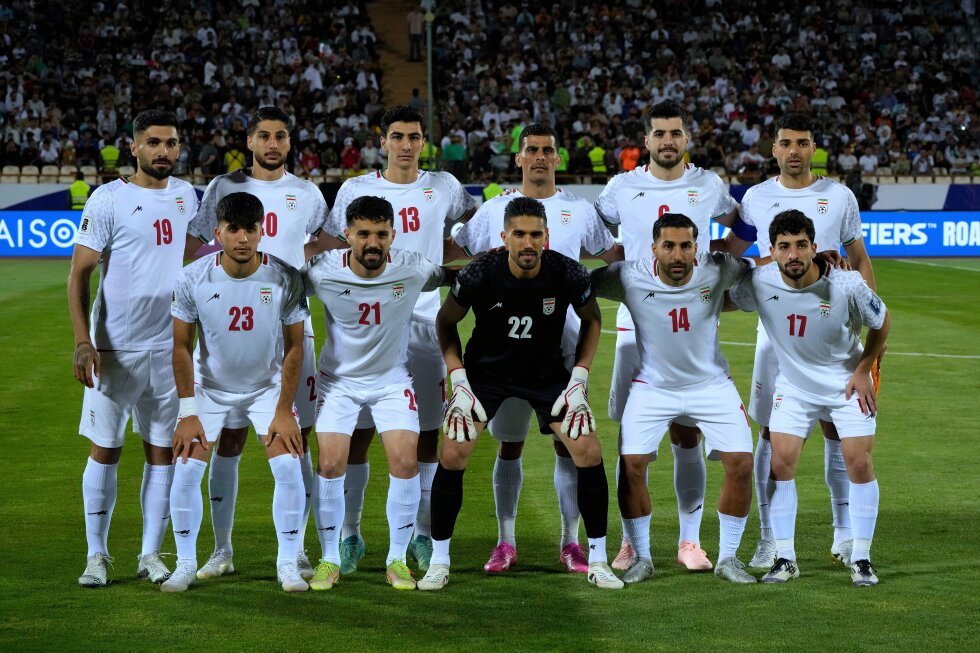
The diplomatic standoff between Iran and the United States over the upcoming World Cup has taken a new turn, as Iranian officials explore the possibility of moving their matches from U.S. soil to Mexico.
Mexican President Claudia Sheinbaum acknowledged Tuesday that discussions regarding the potential venue change are underway, though FIFA quickly countered that no alterations to the established match schedule are being considered.
“They are discussing with FIFA whether it’s feasible because they were going to hold the games in the United States,” Sheinbaum told reporters during her daily briefing. “They are looking into whether they can hold them in Mexico, and we will inform you when the time comes. Mexico has relations with all countries in the world. We’ll see what FIFA decides and then we’ll announce it.”
The controversy emerged following U.S. airstrikes on Iran in February that killed Supreme Leader Ayatollah Ali Khamenei and several senior officials. The military action has cast doubt on Iran’s participation in the 48-nation tournament, where the team is scheduled to play at least three matches on American soil.
Former U.S. President Donald Trump further complicated matters last week by suggesting the Iranian team might not be safe competing in the United States. His comments have ranged from indifference about Iran’s participation to assurances that the team would be welcomed and treated with respect.
FIFA responded with a definitive statement: “FIFA is in regular contact with all participating member associations, including Iran, to discuss planning for the FIFA World Cup 2026. FIFA is looking forward to all participating teams competing as per the match schedule announced on December 6, 2025.”
Iran’s Ambassador to Mexico, Abolfazl Pasandideh, has been vocal about his preference for relocating the team’s matches. “We love the Mexican people very much and for us, the best situation is for our games to be held in Mexico,” he told Iran’s state-run news agency IRNA. The embassy also published a statement attributed to Iranian soccer federation president Mehdi Taj, claiming, “When Trump has explicitly stated that he cannot ensure the security of the Iranian national team, we will certainly not travel to America.”
Iran is currently scheduled to play New Zealand on June 15 and Belgium on June 21 in Inglewood, California, before facing Egypt in Seattle on June 26. The Iranian team’s training camp is planned for Tucson, Arizona.
Moving these games would be unprecedented in World Cup history, especially with less than three months before the tournament begins. The logistical challenges would be immense, as tens of thousands of tickets have already been sold and international travel arrangements made by fans.
New Zealand Football CEO Andrew Pragnell expressed skepticism about the feasibility of any venue changes. “I don’t foresee it as remotely feasible,” he told New Zealand media. “By trying to move the match schedule, you actually create more problems down the track.”
Despite mixed signals from various Iranian officials, the national team itself posted on Instagram that “no one can exclude” them from the tournament. Iran’s Foreign Ministry spokesman Esmail Baghaei emphasized that FIFA and the U.S., as co-host, bear responsibility for ensuring player safety.
“When warnings are issued at the highest level about the environment being unsafe for Iranian football players, this indicates that the host country apparently lacks the capacity and ability to provide security for such an important sporting event,” Baghaei stated.
The situation reflects the complicated intersection of international politics and sports. Iran, with a population exceeding 90 million, has qualified for seven men’s World Cups, including the past four tournaments. The team currently ranks 20th in FIFA’s world rankings, the second-highest among Asian nations behind Japan.
FIFA President Gianni Infantino previously posted on Instagram that he’d received assurances from Trump that Iran would be welcome at the tournament, but the organization has been relatively quiet as the diplomatic wrangling continues.
With the World Cup’s opening matches approaching, the unresolved tension presents a significant challenge for organizers and raises questions about how geopolitical conflicts might impact one of the world’s most watched sporting events.
Fact Checker
Verify the accuracy of this article using The Disinformation Commission analysis and real-time sources.

9 Comments
The US airstrikes on Iranian officials have really complicated matters for the World Cup. It’s understandable that Iran wants to avoid playing on American soil given the heightened tensions.
FIFA’s stance of sticking to the established schedule seems pragmatic, but they may need to be more flexible to accommodate the geopolitical realities here.
I’m curious to see how this all plays out. Mexico offering to host the Iranian team’s matches could be a creative diplomatic solution, if FIFA agrees to it.
Interesting diplomatic tensions between Iran and the US over the World Cup venue. Seems like a tricky situation for FIFA to navigate, with political considerations weighing heavily on the decision.
I wonder how Mexico would feel about potentially hosting the Iranian team’s matches. Could open up another diplomatic can of worms.
This situation highlights the challenges of hosting a global event like the World Cup amid ongoing international conflicts. Diplomacy and logistics will be critical for FIFA to balance.
The World Cup is supposed to be a unifying event, but the tensions between Iran and the US are threatening to overshadow the actual football. Hopefully cooler heads can prevail.
While it’s understandable that Iran wants to avoid the US, FIFA has a responsibility to uphold the integrity of the tournament schedule. This will be a delicate balancing act for all involved.
Relocating the Iranian team’s matches to Mexico could work, but it raises questions about the precedent it would set. Curious to see how FIFA navigates this geopolitical minefield.