


Listen to the article
Iran Warns of “Everything We Have” Response to Any U.S. Military Action Amid Protest Crackdown
Iran issued a stark warning that it would respond “with everything we have” to any new U.S. military attack, as tensions escalate amid one of the deadliest government crackdowns on protesters in the country’s recent history.
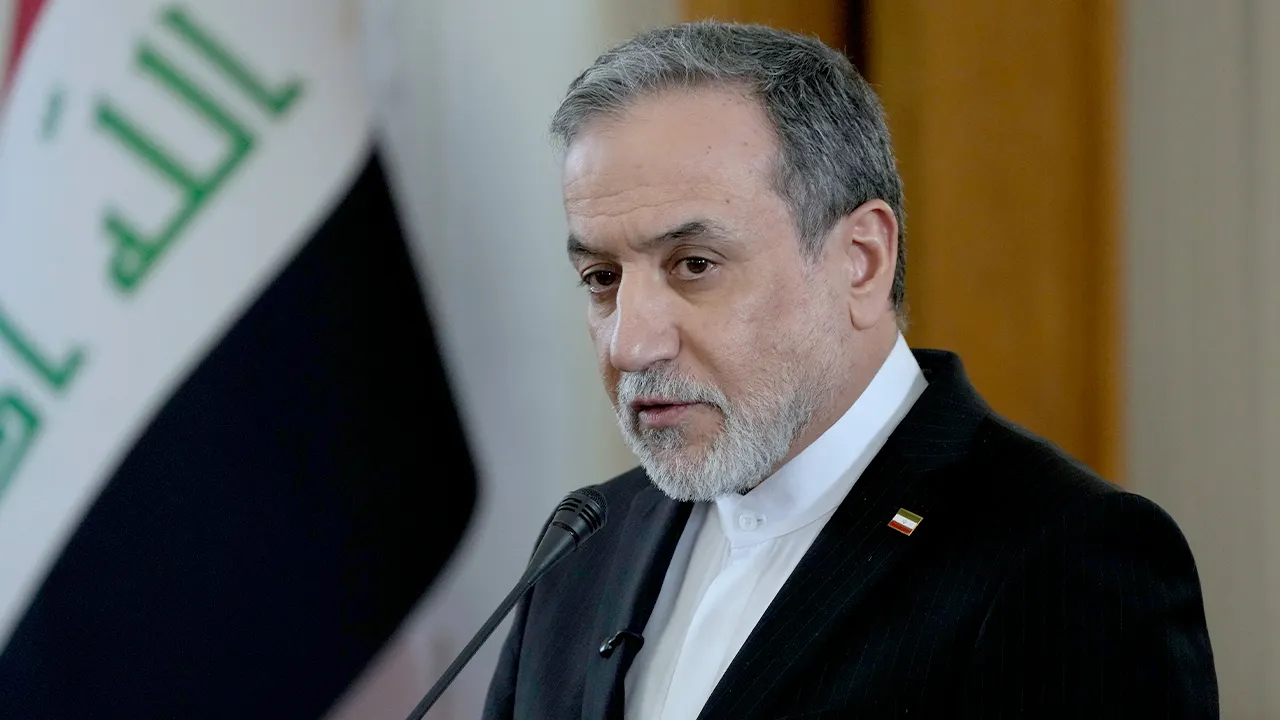
In a Wall Street Journal op-ed, Iranian Foreign Minister Abbas Araghchi claimed that while protests began peacefully, they were subsequently “hijacked by foreign and domestic terrorist actors,” which he said justified the government’s violent response and near-total communications shutdown that has isolated the country for weeks.
“Unlike the restraint Iran showed in June 2025, our powerful armed forces have no qualms about firing back with everything we have if we come under renewed attack,” Araghchi wrote, suggesting that any U.S. military action could trigger a wider regional conflict.
The foreign minister’s comments come as President Donald Trump weighs potential military action against Tehran, with U.S. assets already being repositioned throughout the Middle East. The buildup of American forces has raised concerns about possible strikes against Iranian targets in response to the regime’s brutal suppression of anti-government demonstrations.
According to the U.S.-based Human Rights Activists News Agency (HRANA), which tracks human rights violations in Iran, the death toll has reached alarming levels. Their latest figures document at least 4,519 confirmed deaths, with 4,251 of those being protesters, including 33 children. The organization also reports more than 26,000 arrests across 629 recorded demonstrations as the unrest enters its fourth week.
The scale of the crackdown has prompted international outrage. The United Nations Human Rights Council announced it will hold a special session on Friday specifically to address the deteriorating human rights situation in Iran, which many observers characterize as crimes against humanity.
Araghchi blamed U.S. rhetoric for escalating the bloodshed, arguing that statements from President Trump created incentives for violence. “Iran’s message to President Trump is clear: The U.S. has tried every conceivable hostile act against Iran, from sanctions and cyber assaults to outright military attack—and, most recently, it clearly fanned a major terrorist operation—all of which failed,” the foreign minister stated.
Inside Iran, the government has implemented an almost complete internet and communications blackout to control information flowing in and out of the country. Iranian journalist Elaheh Mohammadi reported on social media platform X that VPN access has been limited to sporadic 30-60 minute windows, just enough for people to signal they are still alive.
“The city smells of death. In all my life, I had never seen snow fall in Tehran and not a single person even smile,” Mohammadi wrote. “Hard days have passed and everyone is stunned; a whole country is in mourning, a whole country is holding back tears, a whole country has a lump in its throat.”
The current crisis represents one of the most significant challenges to the Iranian regime’s authority since the 1979 Islamic Revolution. While Iranian officials continue to blame foreign influence for the unrest, the protests appear to reflect deep-seated domestic grievances over economic hardship, political repression, and social restrictions.
Energy markets remain on edge as the confrontation unfolds, with crude oil prices fluctuating in response to the possibility of military action that could disrupt supply from one of the world’s major oil producers. Regional allies of both Iran and the United States are carefully monitoring the situation, concerned about being drawn into a broader conflict.
As diplomatic pressure builds and military tensions increase, the international community watches to see whether the standoff will escalate into direct confrontation or whether diplomatic channels can prevail in what Araghchi characterized as “the final failure of diplomacy.”
Fact Checker
Verify the accuracy of this article using The Disinformation Commission analysis and real-time sources.

14 Comments
Iran’s threat of ‘full-scale retaliation’ is a concerning development. While the US needs to address Iran’s destabilizing activities, unilateral military strikes could provoke a dangerous regional conflagration.
Agreed. Both sides should exercise maximum restraint and seek diplomatic solutions to defuse the crisis. Unilateral action risks igniting a wider conflict that would be catastrophic for the Middle East.
Iran’s threat of retaliation is concerning, but the US must be cautious about further military escalation. Diplomacy and de-escalation should be the priority to avoid a wider regional conflict.
Agreed. Both sides need to step back from the brink and pursue diplomatic solutions. Unilateral action could have devastating consequences for the entire Middle East.
Heightened tensions between the US and Iran are concerning. Both sides need to exercise caution and restraint to avoid further escalation and conflict. Diplomatic solutions should be the priority.
Absolutely. Diplomacy and de-escalation are critical at this delicate juncture. Resorting to military action would be disastrous for the region.
The Iranian government’s violent crackdown on protests is deeply troubling. However, military action by the US would likely backfire and strengthen the regime’s hold on power.
You make a fair point. Imposing further sanctions and maintaining diplomatic pressure may be more effective in addressing Iran’s human rights abuses and regional destabilization.
The situation between the US and Iran is extremely delicate. While Iran’s crackdown on protests is reprehensible, military strikes could backfire and strengthen the regime’s grip on power.
You make a fair point. Targeted sanctions and continued diplomatic pressure may be a more effective approach to address Iran’s human rights violations and regional activities.
While Iran’s threats are concerning, the US must be extremely cautious about further military escalation. Diplomacy and de-escalation should be the top priority to avoid a wider regional conflict.
You make a valid point. Pursuing diplomatic solutions and maintaining economic pressure may be more effective in addressing Iran’s destabilizing activities without risking a devastating military confrontation.
The US and Iran need to step back from the brink and pursue diplomatic solutions to de-escalate the crisis. Military action would likely lead to a wider regional conflict with catastrophic consequences.
Agreed. Both sides should exercise maximum restraint and focus on finding a diplomatic path forward. Unilateral action could have disastrous repercussions for the entire Middle East.