


Listen to the article
Iran Reverses Course on Strait of Hormuz, Reimposing Restrictions After U.S. Maintains Blockade
Iran has swiftly reversed its decision to reopen the Strait of Hormuz, reinstating restrictions on the critical waterway just one day after announcing its reopening. The sudden policy shift came in direct response to U.S. President Donald Trump’s declaration that the American blockade of Iran-linked shipping “will remain in full force” until Tehran reaches a comprehensive deal with the United States.
“Control of the Strait of Hormuz has returned to its previous state… under strict management and control of the armed forces,” Iran’s joint military command announced on Saturday. The statement included a stark warning that transit restrictions would continue as long as the U.S. maintains its blockade of Iranian ports.
This escalating conflict over one of the world’s most strategic maritime chokepoints threatens to worsen the ongoing global energy crisis. Approximately one-fifth of global oil supplies pass through the strait, and continued disruptions would likely drive prices higher again after they had begun to fall on Friday amid hopes of a diplomatic breakthrough.
The U.S. Central Command reported that since implementing the blockade on Monday, American forces have intercepted and returned 21 ships to Iran. Meanwhile, data firm Kpler confirmed that movement through the strait remains limited to corridors requiring explicit Iranian approval.
Control of the Strait of Hormuz has emerged as Iran’s primary leverage in the complex negotiations aimed at ending nearly seven weeks of regional warfare involving Israel, the United States, and Iran. The U.S. blockade of Iranian ports was implemented as part of a broader effort to pressure Tehran into accepting a Pakistan-brokered ceasefire.
The situation grew more complicated after Iran initially announced the full reopening of the strait following the announcement of a 10-day truce between Israel and Hezbollah, the Iranian-backed militant group in Lebanon. This temporary peace agreement addressed one of Iran’s key demands in ongoing negotiations.
However, Iranian officials quickly reversed course after Trump’s statement, claiming his announcement violated last week’s ceasefire agreement between Iran and the United States.
Despite the setback at the Strait of Hormuz, Pakistani officials report that diplomatic efforts continue ahead of the April 22 ceasefire deadline. Pakistan’s Foreign Minister Ishaq Dar, speaking at a diplomatic forum in Turkey, characterized the Lebanon ceasefire as a significant positive development, noting that the Israel-Hezbollah conflict had been a major obstacle in previous negotiations.
“We were very close to an agreement in Islamabad last weekend,” Dar said, highlighting ongoing diplomatic efforts. Pakistan’s military confirmed that Army Chief Field Marshal Asim Munir visited Tehran, while Prime Minister Shehbaz Sharif met with Turkish President Recep Tayyip Erdogan and Qatar’s Emir Tamim bin Hamad Al Thani in Antalya. Reports indicate Pakistan may host a second round of U.S.-Iran talks early next week.
Questions remain about the durability of the Lebanon truce, particularly since Hezbollah was not directly involved in negotiations. The agreement leaves Israeli troops occupying parts of southern Lebanon, creating a tenuous situation on the ground.
In a social media post, Trump declared that Israel is “prohibited” by the U.S. from further strikes on Lebanon, adding that “enough is enough” regarding the Israel-Hezbollah conflict. The State Department later clarified that this prohibition applies only to offensive attacks, not actions taken in self-defense.
Israeli Prime Minister Benjamin Netanyahu acknowledged agreeing to the ceasefire “at the request of my friend President Trump,” but emphasized that Israel’s campaign against Hezbollah is not complete. He claimed Israeli forces had destroyed approximately 90% of Hezbollah’s missile and rocket stockpiles but added they “have not finished yet” with dismantling the group.
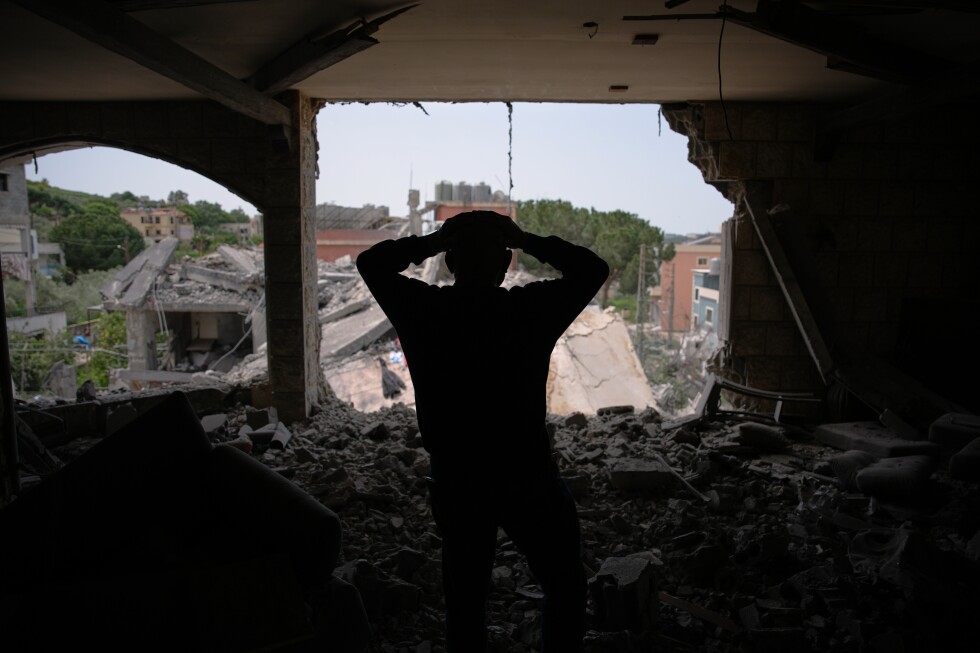
Despite warnings from officials to remain cautious, displaced families have begun moving toward southern Lebanon and Beirut’s southern suburbs. The Lebanese army and UN peacekeepers reported sporadic artillery shelling in parts of southern Lebanon in the hours following the ceasefire’s implementation.
The regional conflict, which began with U.S. and Israeli strikes on February 28, has exacted a devastating human toll. At least 3,000 people have been killed in Iran, more than 2,290 in Lebanon, and 23 in Israel, with additional casualties in Gulf Arab states and thirteen U.S. service members also killed.
Fact Checker
Verify the accuracy of this article using The Disinformation Commission analysis and real-time sources.

26 Comments
If AISC keeps dropping, this becomes investable for me.
Nice to see insider buying—usually a good signal in this space.
Good point. Watching costs and grades closely.
The cost guidance is better than expected. If they deliver, the stock could rerate.
Production mix shifting toward World might help margins if metals stay firm.
Good point. Watching costs and grades closely.
Good point. Watching costs and grades closely.
Production mix shifting toward World might help margins if metals stay firm.
Good point. Watching costs and grades closely.
Good point. Watching costs and grades closely.
The cost guidance is better than expected. If they deliver, the stock could rerate.
If AISC keeps dropping, this becomes investable for me.
If AISC keeps dropping, this becomes investable for me.
Good point. Watching costs and grades closely.
Interesting update on Iran reinstates restrictions on Strait of Hormuz amid US blockade. Curious how the grades will trend next quarter.
Good point. Watching costs and grades closely.
Good point. Watching costs and grades closely.
Interesting update on Iran reinstates restrictions on Strait of Hormuz amid US blockade. Curious how the grades will trend next quarter.
Good point. Watching costs and grades closely.
Silver leverage is strong here; beta cuts both ways though.
Good point. Watching costs and grades closely.
The cost guidance is better than expected. If they deliver, the stock could rerate.
Good point. Watching costs and grades closely.
Good point. Watching costs and grades closely.
Production mix shifting toward World might help margins if metals stay firm.
Good point. Watching costs and grades closely.