


Listen to the article
Misinformation Surges Around Noida Labor Protests and Public Figures
A wave of false information has swept across social media platforms this week, with fabricated content targeting everything from industrial unrest in Noida to manipulated statements from prominent political figures. Fact-checkers have worked overtime to debunk these claims as they gained traction online.
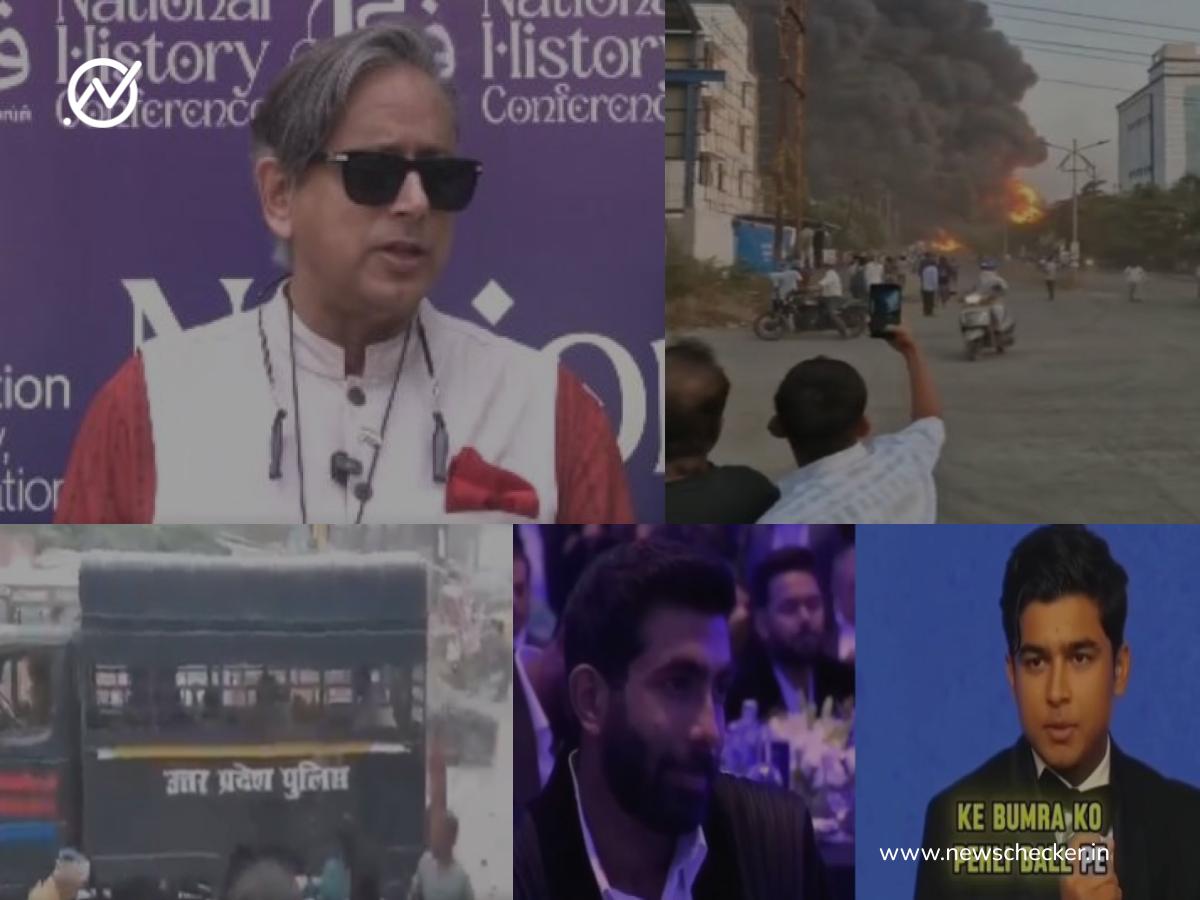
In Noida, where factory workers have been protesting for higher wages, multiple unrelated videos were falsely linked to the demonstrations. One viral clip purported to show a massive fire at protest sites, suggesting an escalation in the unrest. Investigation revealed this footage actually originated from an unrelated incident in Maharashtra, with no connection to the Noida labor movement.
Similarly, another video claiming to capture violence during the Noida protests was found to be recycled content. The footage, showing protesters attacking a police vehicle, was from an entirely different incident predating the current labor actions. These misrepresentations appear designed to exaggerate the scale of unrest at a time when labor relations in the manufacturing sector remain sensitive.
The spread of such false narratives comes as the manufacturing sector in northern India faces increasing pressure over wage disparities and working conditions. Industrial zones around Delhi NCR have witnessed growing worker mobilization in recent months, making them fertile ground for misinformation campaigns.
Political figures have also become targets of sophisticated manipulation. A doctored video appearing to show Congress MP Shashi Tharoor praising Pakistan’s diplomatic efforts between the United States and Iran circulated widely before being debunked. Analysis revealed the video had been manipulated using artificial intelligence technology, highlighting the growing challenge of detecting deepfakes in political discourse.
The increasing sophistication of such AI-generated content poses significant concerns ahead of upcoming electoral contests, as tools for creating convincing fake videos become more accessible and difficult to identify without technical analysis.
Weather-related misinformation also made rounds, with a fabricated “official alert” warning Kerala residents about extreme temperatures reaching 45°C-55°C between April 29 and May 12. The fake advisory instructed people to avoid outdoor activities between 10 a.m. and 3 p.m. Meteorological authorities confirmed no such advisory had been issued, though the region has experienced above-average temperatures this season.
Such false weather alerts can cause unnecessary public panic and undermine trust in official communications during actual emergency situations.
Even the sports world wasn’t spared from manipulation. As excitement builds around IPL 2026, a fabricated video featuring cricketer Vaibhav Sooryavanshi allegedly claiming his primary tournament goal was hitting a six off Jasprit Bumrah’s first delivery went viral. The video was later confirmed to be manipulated, marking another example of how sports rivalries and fan enthusiasm can be exploited to spread misleading content.
These incidents reflect a growing pattern of misinformation targeting emotionally charged topics that generate high engagement. Labor disputes, political tensions, public health concerns, and sporting events provide particularly fertile ground for such content.
Media literacy experts have noted the increasing sophistication of misleading content, which often combines elements of truth with fabrication to appear more credible. The incidents highlight the critical importance of verification before sharing content on social platforms, especially during periods of social or political tension.
As digital manipulation tools become more accessible, distinguishing authentic from manipulated content will require heightened vigilance from both media consumers and the platforms hosting this content.
Fact Checker
Verify the accuracy of this article using The Disinformation Commission analysis and real-time sources.

11 Comments
The recycling of unrelated footage to misrepresent the Noida labor protests is highly concerning. Responsible journalism is crucial to upholding transparency and preventing the spread of false narratives, especially on sensitive topics.
It’s troubling to see misinformation spreading around the Noida labor protests. Fact-checking is crucial to combat the distortion of events and maintain public trust. Responsible reporting is key during sensitive labor disputes.
It’s disappointing to see misinformation surrounding the Noida labor protests. Fact-checking is crucial to ensure the public has an accurate understanding of these complex issues. Responsible journalism is key to upholding transparency and trust.
The use of unrelated footage to misrepresent the Noida labor protests is highly problematic. Thorough verification of information is critical to prevent the spread of false narratives, especially on sensitive topics affecting workers’ rights.
The recycling of unrelated footage to mislead the public about the Noida protests is highly concerning. Journalists and social media users must verify information carefully to avoid amplifying false narratives, especially on sensitive topics.
Agreed. Fact-checking is a vital safeguard against the spread of misinformation, which can inflame already tense situations. Responsible reporting is essential for maintaining an informed public dialogue.
Disturbing to see misinformation circulating about the Noida labor protests. Rigorous fact-checking is vital to ensure the public has an accurate understanding of these complex issues and events.
Fact-checking is essential to combat the surge of misinformation around the Noida labor protests. Maintaining public trust requires responsible reporting that avoids amplifying false or distorted content, even inadvertently.
The use of unrelated footage to misrepresent the Noida labor protests is highly problematic. Thorough fact-checking is crucial to prevent the spread of false narratives, especially on topics affecting workers’ rights.
Fact-checking is vital to combat the wave of misinformation surrounding the Noida labor protests. Maintaining an informed public dialogue requires responsible reporting that avoids amplifying distorted or fabricated content.
Troubling to see misleading information spreading about the Noida labor protests. Rigorous verification of facts is essential to ensure the public has an accurate understanding of these complex, sensitive issues.