


Listen to the article
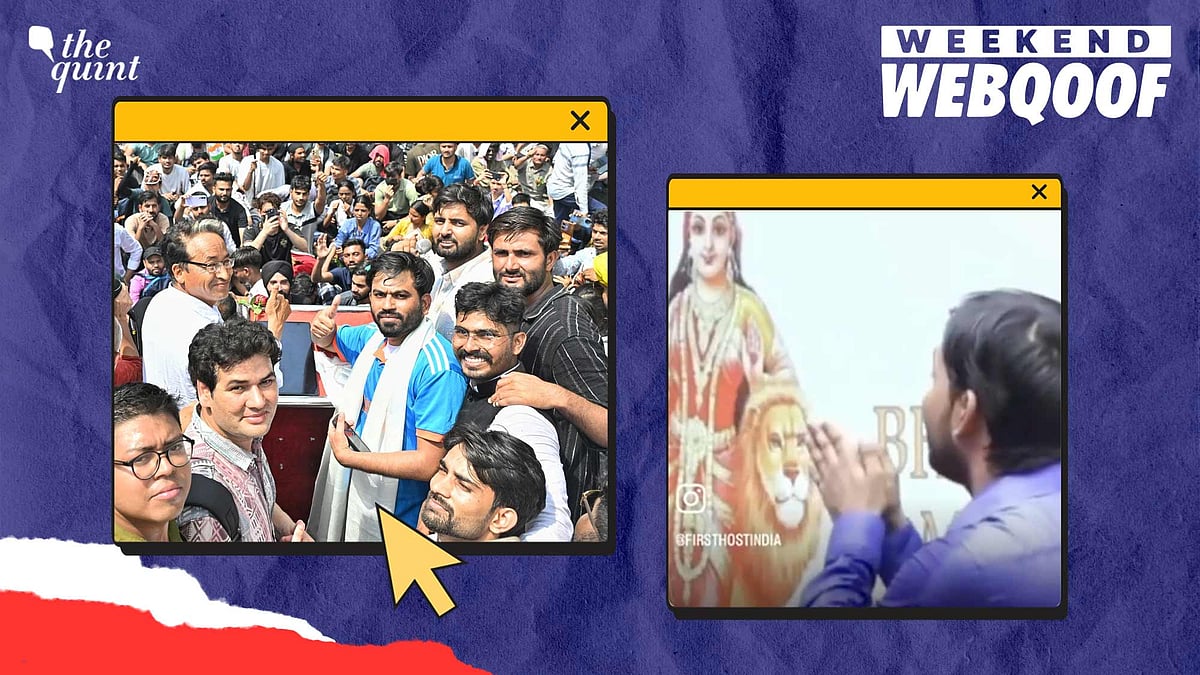
A photograph capturing a substantial crowd at the Chief Justice of Pakistan’s initial protest demonstration at Delhi’s Jantar Mantar has sparked controversy on social media, with numerous users questioning its authenticity. The image, which circulated widely across various platforms, became the subject of intense scrutiny as social media users alleged it was artificially created using AI technology to exaggerate attendance numbers at the event.
The controversy emerged shortly after the protest took place, with skeptics claiming that organizers or supporters had resorted to using artificial intelligence tools to fabricate an image depicting a larger turnout than what actually occurred. Such allegations reflect growing concerns about the proliferation of AI-generated content and deepfakes in political discourse, where manipulated imagery can potentially mislead the public about the scale and impact of political movements.
However, fact-checking has revealed that these claims are entirely unfounded. The photograph in question is authentic and was captured by Shashi Shekhar Kashyap, a photographer working for The Hindu, one of India’s most respected and established news publications. The verification of the image’s authenticity underscores the importance of rigorous fact-checking in an era where misinformation can spread rapidly through digital channels.
The incident highlights a growing challenge in the digital age: the difficulty many social media users face in distinguishing between genuine photographic content and AI-generated imagery. As artificial intelligence technology becomes increasingly sophisticated, creating realistic images that can fool even discerning viewers, public skepticism about viral content has intensified. This wariness, while sometimes justified, can also lead to the dismissal of legitimate documentation of real events.
Jantar Mantar, located in central Delhi, has long served as a designated protest site in India’s capital city, hosting countless demonstrations over the years on various social, political, and economic issues. The historic significance of this location makes it a natural gathering point for those seeking to draw public attention to their causes. The venue’s prominence in Indian civic activism adds weight to any protest held there, making accurate reporting of such events particularly important.
The spread of false claims about AI manipulation in this case reveals how misinformation can undermine legitimate political expression and journalism. When authentic images from genuine protests are incorrectly labeled as fake or manipulated, it can diminish public trust in both the media and the movements being documented. This erosion of trust serves to benefit those who wish to downplay the significance of public demonstrations or question the grassroots support for particular causes.
Professional photojournalists like Kashyap play a crucial role in documenting contemporary events for the historical record. Their work, backed by the editorial standards and reputation of established news organizations, provides reliable visual evidence of significant occurrences. The Hindu, founded in 1878, maintains rigorous journalistic standards and editorial oversight, making its published photographs credible sources of information about current events.
This incident serves as a reminder of the critical importance of media literacy in the digital age. As technology advances and the creation of convincing fake imagery becomes easier, the public must develop better skills in evaluating the credibility of visual content encountered online. Rather than immediately accepting or rejecting images based on initial impressions or unverified claims, individuals should seek verification from reliable fact-checking organizations and established news sources.
The false narrative surrounding this particular image also demonstrates how quickly misinformation can spread when it confirms existing biases or suspicions. In an environment where trust in institutions and media is often questioned, people may be more inclined to believe claims about manipulation without seeking proper verification. This tendency underscores the ongoing need for robust fact-checking infrastructure and public education about identifying credible sources of information.
Fact Checker
Verify the accuracy of this article using The Disinformation Commission analysis and real-time sources.

17 Comments
Exploration results look promising, but permitting will be the key risk.
Good point. Watching costs and grades closely.
Silver leverage is strong here; beta cuts both ways though.
Silver leverage is strong here; beta cuts both ways though.
Good point. Watching costs and grades closely.
I like the balance sheet here—less leverage than peers.
Good point. Watching costs and grades closely.
Production mix shifting toward News might help margins if metals stay firm.
Uranium names keep pushing higher—supply still tight into 2026.
Good point. Watching costs and grades closely.
Good point. Watching costs and grades closely.
Silver leverage is strong here; beta cuts both ways though.
Good point. Watching costs and grades closely.
Good point. Watching costs and grades closely.
Interesting update on WebQoof Recap: Misinformation Surrounding the Chief Justice, Prime Minister Modi, and Khan Sir. Curious how the grades will trend next quarter.
Good point. Watching costs and grades closely.
Good point. Watching costs and grades closely.