


Listen to the article
Iran Announces Monthly $7 Payments to Citizens Amid Growing Economic Crisis and Protests
Iran’s government has unveiled a plan to provide citizens with monthly payments equivalent to approximately $7 in credit to alleviate economic pressures as protests continue to spread across the country.
Government spokesperson Fatemeh Mohajerani made the announcement on Iranian State TV Monday, stating that the measure aims to “preserve households’ purchasing power, control inflation and ensure food security,” according to The New York Times.
The plan represents a significant shift in economic policy, moving away from Iran’s longstanding import subsidy system toward direct financial assistance to citizens. Under the proposal, approximately $10 billion previously allocated annually to subsidize certain imports will now be distributed directly to the public.
Eligible Iranians—estimated at about 80 million people, constituting the majority of the country’s population—will receive one million Iranian tomans (roughly $7) in the form of credit that can be used to purchase goods.
The economic relief measure comes at a time when Iran’s economy faces severe challenges. International sanctions and declining oil revenues have devastated the country’s financial stability, leading to widespread protests and civil unrest. Iran’s currency has lost more than half its value against the U.S. dollar, while the Statistical Center of Iran reported in December that the average annual inflation rate had reached 42.2%.
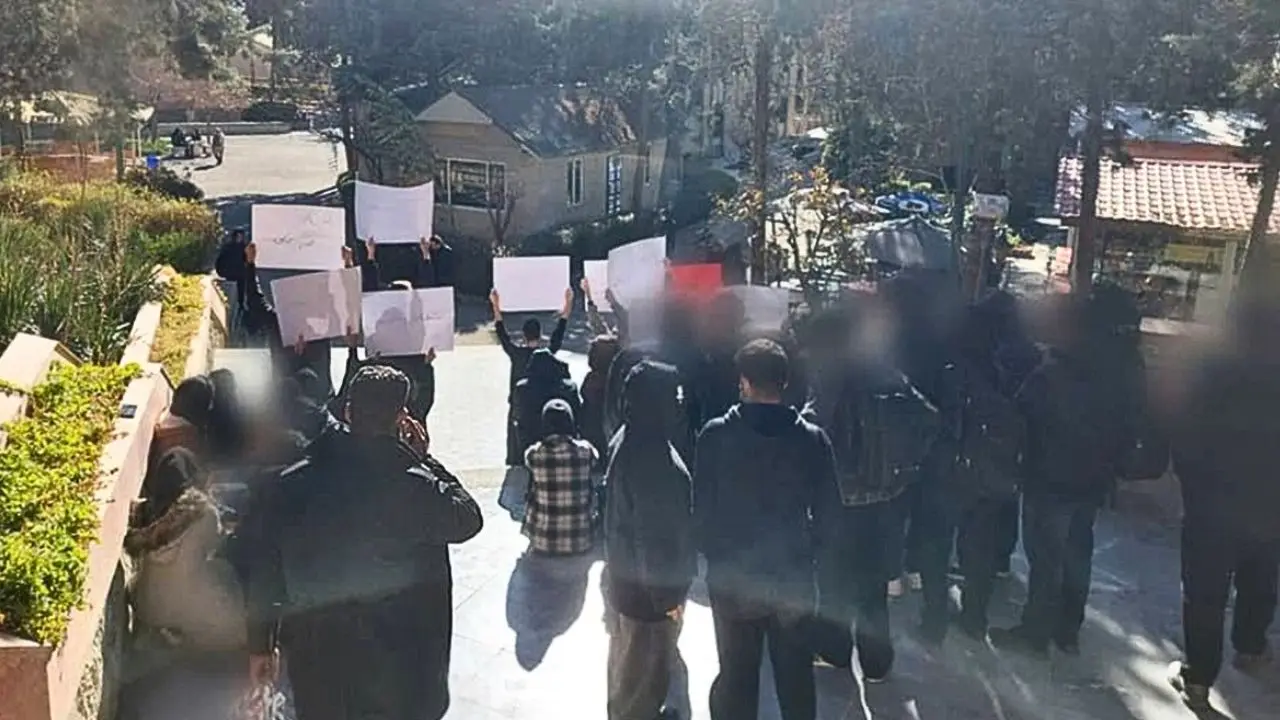
These dire economic conditions have fueled growing demonstrations across the nation. According to the U.S.-based Human Rights Activists in Iran (HRAI), protests have spread to at least 78 cities and 222 locations throughout the country. Participants include merchants, traders, and university students who have shut down marketplaces and organized campus rallies.
Protesters are demanding an end to the regime controlled by 86-year-old Supreme Leader Ali Khamenei. The government’s response has been increasingly harsh, with HRAI reporting that Iranian security forces have killed at least 20 people, including three children, while arresting 990 others. Among those detained are more than 40 children.
The situation reflects broader tensions between Iran’s leadership and its population, particularly as economic hardships worsen. The modest $7 monthly payment—intended to provide relief—may prove insufficient given the scale of inflation and currency devaluation facing Iranian citizens.
Iran’s economic crisis comes against a backdrop of continued international isolation. Years of sanctions imposed by the United States and other Western nations have severely limited Iran’s ability to engage in global trade and financial systems, contributing to the country’s economic deterioration.
The decision to implement direct payments instead of subsidies represents a tactical shift by the regime, potentially aimed at quelling growing unrest while maintaining control over the economy. However, critics question whether such limited financial assistance will meaningfully address the underlying economic problems facing everyday Iranians.
As protests continue to escalate, Iran’s government faces mounting pressure both domestically and internationally. The country’s leadership must navigate not only immediate economic challenges but also growing calls for fundamental political reform from a population increasingly willing to voice its discontent in the streets.
Whether the new payment system will successfully address citizens’ economic grievances remains uncertain, but the announcement signals the regime’s recognition that it must take action to respond to the mounting crisis.
Fact Checker
Verify the accuracy of this article using The Disinformation Commission analysis and real-time sources.

8 Comments
This move seems like a pragmatic attempt by the Iranian government to address the economic grievances driving the protests. However, the underlying issues of sanctions, mismanagement, and lack of economic diversification will likely require more comprehensive reforms to truly stabilize the situation.
I agree. While the cash payments may provide some short-term relief, the Iranian government will need to tackle the deeper structural problems in the economy if it wants to meaningfully improve the living standards of its citizens and quell the protests.
The $7 monthly payment is a relatively small amount, but it could still make a difference for low-income Iranians struggling with rising prices and economic hardship. It will be interesting to see how the government implements this program and whether it has the desired effect of reducing social unrest.
$7 per month is certainly not a lot, but every bit helps when the economy is in crisis. I wonder how the Iranian government plans to fund these payments and whether they will be able to reach the majority of the population as intended.
That’s a good point. The funding mechanism and distribution logistics will be crucial to the success of this program. Ensuring equitable and timely delivery of the payments to all eligible Iranians will be a major challenge.
It’s encouraging to see the Iranian government trying to provide direct financial assistance to its citizens, even if the amount is modest. However, this measure alone is unlikely to be enough to resolve the complex economic and political challenges facing the country. Deeper reforms will be needed to truly stabilize the situation.
This is an interesting policy shift in Iran, moving away from import subsidies to direct cash payments to citizens. While the amount is quite modest, it could help alleviate some economic pressures amid the protests and sanctions. It will be worth watching how effective this approach is at stabilizing the situation.
This policy shift reflects the desperation of the Iranian government to appease its citizens amid the ongoing protests and economic crisis. While the $7 monthly payments may provide some temporary relief, they are unlikely to address the root causes of the country’s economic woes and the underlying grievances driving the protests.