


Listen to the article
Iran Reportedly Developing Chemical and Biological Missile Warheads Amid Economic Crisis
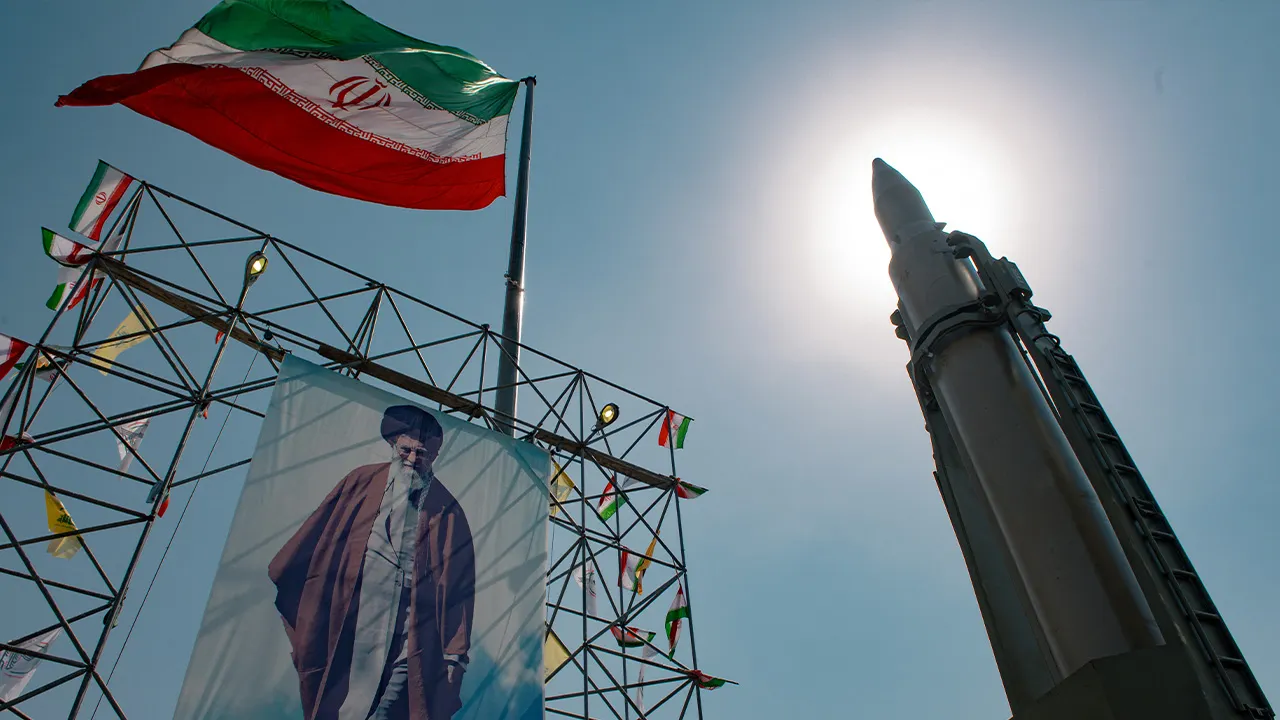
Iran’s Islamic Revolutionary Guard Corps (IRGC) is accelerating work on chemical and biological warheads for its ballistic missiles, according to an exclusive report published by Iran International on Sunday. The development comes as the country grapples with mounting domestic unrest fueled by a collapsing currency and soaring inflation rates.
The report, citing unnamed military and security sources, claims Tehran is enhancing its missile capabilities alongside upgrades to command-and-control systems. If confirmed, these developments would significantly escalate tensions with Western powers and Israel, who have long expressed concerns about Iran’s military ambitions in the region.
The timing is particularly noteworthy as Israeli Prime Minister Benjamin Netanyahu meets with President Donald Trump on Monday at Mar-a-Lago. Iran’s missile program and broader regional security threats are expected to dominate their agenda, according to officials familiar with the discussions. The leaders will also address the ongoing conflict in Gaza, amid U.S. concerns that Netanyahu has delayed advancing postwar planning and ceasefire initiatives.
According to Iran International, the IRGC has repositioned and expanded its missile infrastructure, with some launch assets reportedly moved to eastern Iran to reduce vulnerability to potential strikes. The strategic relocation appears to be part of a broader effort to protect critical military assets while expanding offensive capabilities.
Tehran has consistently denied pursuing chemical or biological weapons programs, maintaining that its missile development is purely defensive in nature. Iran is a signatory to the Chemical Weapons Convention, though Western intelligence agencies and governments have repeatedly accused the Islamic Republic of violating international agreements and norms regarding weapons development.
The missile report coincides with escalating economic unrest inside Iran, creating a potentially volatile mix of military expansion and domestic instability. Iran International reported Monday that shopkeepers in Tehran shut down major markets for a second consecutive day, protesting against inflation and the collapse of the national currency. Video footage from Tehran showed large crowds marching in the streets and chanting anti-government slogans.
The National Council of Resistance of Iran (NCRI), an Iranian opposition group, reported that strikes have spread across multiple commercial districts in Tehran, including the Gold Bazaar and central arcades. The group also claimed that IRGC security forces have been placed on heightened alert in Tehran, with additional units on standby in nearby provinces, though these claims could not be independently verified.
Maryam Rajavi, NCRI president-elect, issued a statement characterizing the protests as reflections of public anger over high prices, inflation, and political repression. She called on Iranians to support the striking merchants, who traditionally represent a key pillar of regime support.
The economic situation in Iran continues to deteriorate, with the Iranian rial falling to a new record low against the U.S. dollar. Official government data indicates that year-on-year inflation reached 52.6% in December, while average annual inflation stood at 42.2%. These economic pressures are compounding the regime’s challenges as it pursues costly military programs.
For Western policymakers, the combination of Iran’s military advancements and economic instability presents a complex security challenge. The reported development of unconventional warheads would cross a significant red line for the United States and its allies, potentially triggering new sanctions or more assertive containment measures.
As Netanyahu and Trump discuss regional security, the evolving situation in Iran will likely inform their strategic calculus regarding both immediate threats and longer-term policy approaches toward Tehran’s military ambitions and regional influence.
Fact Checker
Verify the accuracy of this article using The Disinformation Commission analysis and real-time sources.

8 Comments
I’m curious to see how the international community, especially Israel and the US, respond to these allegations. Iran’s missile program has long been a source of tension, and the prospect of chemical/biological warheads is a serious escalation that will likely draw strong condemnation.
Iran’s economic troubles and domestic unrest seem to be driving this concerning military development. It’s alarming to see them potentially pursuing these types of weapons, which could have devastating humanitarian consequences if used. This situation bears close watching going forward.
Agreed, the timing with the protests and economic crisis in Iran makes this especially worrying. Their leadership may be looking to distract or project strength externally amid internal turmoil.
This news adds another complex layer to the already tense situation in the Middle East. Iran’s alleged pursuit of these types of advanced missile warheads, alongside its broader regional activities, will only heighten concerns and distrust from Israel, the US, and other powers. Diplomatic efforts to de-escalate tensions will be critical.
This is very concerning news if true. Iran developing chemical and biological warheads would escalate tensions in the region significantly. More details are needed to assess the claims, but this is a serious development that warrants close monitoring.
Developing chemical and biological weapons is a clear violation of international norms and laws. If confirmed, this would be a major breach by Iran and likely prompt tough diplomatic and economic pressure from the West. The regional security implications are very concerning.
Absolutely. This kind of weapons development, especially during a domestic crisis, is extremely reckless and destabilizing. Iran will face intense scrutiny and consequences if these reports prove accurate.
While the details around these claims are still emerging, the prospect of Iran enhancing its missile capabilities with chemical and biological warheads is deeply worrying. This would mark a dangerous escalation that could have catastrophic humanitarian consequences if used. Careful monitoring and diplomacy will be crucial going forward.