


Listen to the article
Iran Deploys Foreign Militias to Quell Growing Anti-Regime Protests
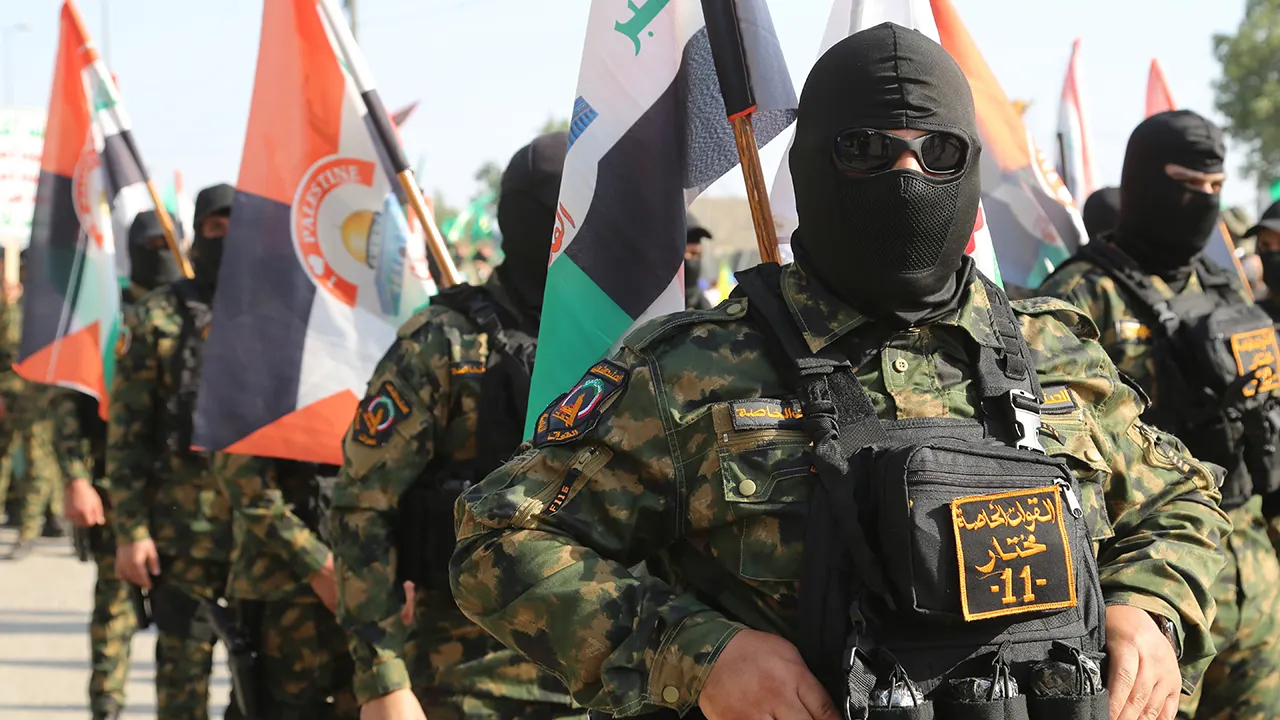
As anti-regime protests spread across Iran for a 12th consecutive day, the Islamic Republic has reportedly turned to foreign militias for support in its crackdown efforts. Two independent sources have confirmed that approximately 850 fighters linked to Hezbollah, Iraqi militias, and Iran’s Quds Force have crossed into Iran to bolster the regime’s security apparatus.
The deployment represents a significant escalation in the government’s response to nationwide demonstrations that have now engulfed more than 200 cities across 26 provinces. Rights groups and independent monitors report at least 38 people killed and over 2,200 arrested since the protests began in late December.
“This is nothing new for the regime. It is the logical extension of a playbook the ruling clerics have used since 1979 to outsource repression to ideologically loyal militias and then integrate them into the state’s coercive infrastructure,” Iran expert Lisa Daftari told Fox News Digital.
The use of foreign proxy forces may indicate growing concerns within the Iranian leadership about potential fractures within its own security forces. Behnam Ben Taleblu, senior fellow at the Foundation for Defense of Democracies, noted the strategic calculation behind this move.
“As the contest between the state and the street continues to heat up, all eyes will be on Iran’s security forces to see if they defect or disobey orders to crack down,” Ben Taleblu explained. “The problem is, so is the regime. And to that end, the Islamic Republic may have devised a failsafe for itself against popular anger.”
Earlier reporting from Iran International indicated that Iraqi Shiite militia reinforcements had been deployed to Iran in early January. These fighters reportedly crossed the border under the guise of religious pilgrimages before gathering at a base in Ahvaz and being dispatched to various regions.
When questioned about the involvement of Iraqi militias, Ghulam Isaczai, the U.N. resident and humanitarian coordinator for Iraq, stated he had no knowledge of the matter, describing it as “new to him.”
The current wave of protests, which began as localized economic demonstrations, has evolved into a broader challenge to the theocratic leadership. Videos circulating Thursday showed demonstrators tearing the Iranian flag in northern Iran, while confrontations have expanded into western provinces including Kermanshah, Lorestan, Ilam, and Kurdish regions.
The unrest is primarily fueled by Iran’s deteriorating economy. The Iranian rial has collapsed against the dollar, exacerbating inflation and causing widespread hardship. Tehran has recently warned suppliers against hoarding goods or engaging in price gouging, reflecting the government’s concern about economic conditions further inflaming public sentiment.
In response to the protests, authorities have implemented severe countermeasures, including internet blackouts and curfews in certain areas. The security response has grown increasingly harsh, with forces deployed across major urban centers.
The reported introduction of foreign militias introduces a new dynamic to the conflict. These groups, having gained combat experience in regional conflicts, may be less hesitant to use force against Iranian citizens than domestic security personnel who might share protesters’ grievances.
“The regime is signaling once again that it treats its own population the way it has long treated regional battlefields,” Daftari noted. “The message is clear: The mullahs don’t care about the Iranian people. They are willing to go to any extent to blur the line between domestic policing and transnational militancy to preserve their grip on power.”
International concern is mounting as analysts warn that sustained nationwide unrest combined with the deployment of foreign militia forces could fundamentally alter Iran’s internal stability landscape. The situation carries broader regional security implications, particularly as U.S. warnings and sanctions pressure intensify against the Iranian regime.
As protests continue to spread, the involvement of Hezbollah and Iraqi militias represents a dangerous escalation that could further inflame tensions and potentially lead to increased violence in a country already facing profound economic and political challenges.
Fact Checker
Verify the accuracy of this article using The Disinformation Commission analysis and real-time sources.

6 Comments
It’s troubling to see the Iranian regime turn to foreign militias to quell the domestic uprising. This suggests they are losing the trust and loyalty of their own security forces. The protesters’ demands for change seem increasingly justified.
The Iranian government’s decision to bring in Hezbollah and Iraqi militias is a disturbing development. It shows their desperation to cling to power in the face of widespread popular unrest. The protesters deserve to have their voices heard.
The regime’s reliance on external proxy forces like Hezbollah and Iraqi militias speaks to the fragility of its hold on power. This could backfire and further inflame the protests if the public sees them as foreign occupiers.
Deploying these foreign militias is a desperate move by the Iranian government, but it may only serve to further galvanize the protests. The Iranian people deserve the right to peacefully express their grievances without fear of violent crackdowns.
This is deeply concerning. Using foreign militias to crush domestic dissent is a worrying escalation and betrayal of the Iranian people. It shows the regime is losing its grip and resorting to brutal tactics to maintain power.
This escalation by the Iranian regime is a concerning sign. Deploying foreign militias against their own citizens is a blatant violation of their rights and sovereignty. The international community should closely monitor this situation.