


Listen to the article
Polish and German Officials Halt Controversial Auction of Holocaust Artifacts
Polish Foreign Minister Radosław Sikorski announced the cancellation of a controversial auction of Holocaust-related items that had sparked widespread condemnation from Jewish organizations and historical institutions.
The auction, planned by Germany’s Felzmann auction house in the city of Neuss, would have featured disturbing historical artifacts including letters written by concentration camp prisoners, Gestapo index cards, and other documents from Nazi perpetrators during World War II.
Sikorski disclosed that he had intervened directly with German Foreign Minister Johann Wadephul to prevent the sale from moving forward.
“I spoke with the German Foreign Minister @JoWadephul regarding the planned auction in Neuss of items from the time of German terror during the Second World War. We agreed that such a scandal must be prevented,” Sikorski wrote in a Polish-language post on social media platform X.
In a subsequent English-language message, Sikorski thanked Wadephul, stating: “Thank you, minister @JoWadephul, for the information that the offensive auction of Holocaust artifacts has now been cancelled. Respect for victims requires the dignity of silence, not the din of commerce.”
The planned auction had generated significant backlash from several prominent organizations. The Fritz Bauer Institute, a renowned German research center focused on Holocaust history, had issued a strongly-worded statement condemning the planned sale.
“The Fritz Bauer Institute protests against the planned auction by the Felzmann auction house and fundamentally opposes any commercial trade in documents relating to Nazi persecution and the Holocaust. No business should be conducted with such documents,” the institute declared in a press release.
The International Auschwitz Committee, which represents survivors of the notorious Nazi death camp, had also voiced its opposition prior to the auction’s cancellation. Christoph Heubner, a spokesperson for the committee, described the planned auction as “a cynical and shameless undertaking” that left Holocaust survivors “outraged and speechless.”
The controversy highlights ongoing tensions surrounding the handling of Holocaust artifacts and memorabilia. Historical items connected to the Nazi genocide of six million Jews during World War II remain deeply sensitive, particularly in Germany and Poland, which were at the center of the Holocaust’s worst atrocities.
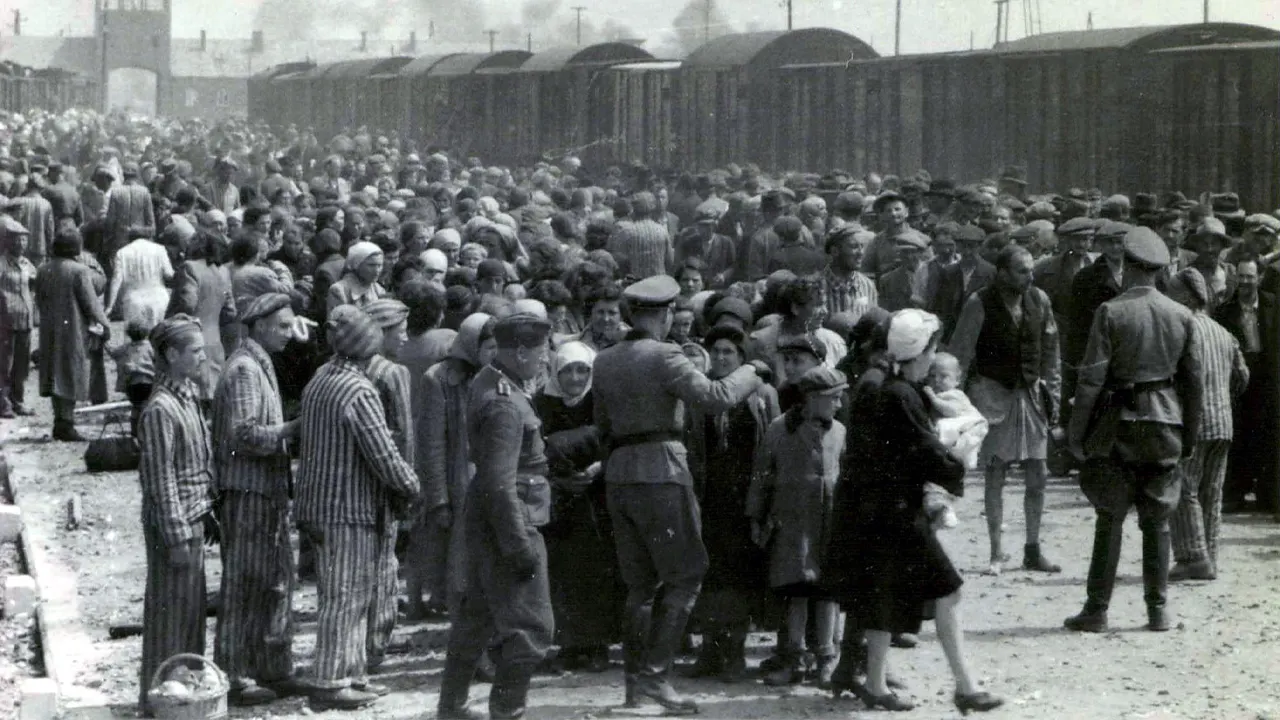
Poland, which was occupied by Nazi Germany during World War II, saw the establishment of numerous concentration and extermination camps on its territory, including Auschwitz-Birkenau, where over one million people, primarily Jews, were murdered. The country has been particularly vigilant about preserving Holocaust memory and preventing the commercialization of artifacts related to this dark period.
This is not the first time auction houses have faced criticism for selling Holocaust-related items. Similar controversies have erupted in recent years as artifacts from this period occasionally appear in commercial marketplaces, raising ethical questions about profiting from genocide and the appropriate preservation of historically sensitive materials.
Most historical institutions and Holocaust memorial sites maintain that such artifacts should be housed in museums and archives where they can be preserved, studied, and displayed with appropriate historical context rather than sold to private collectors.
The swift diplomatic intervention between Polish and German officials demonstrates the seriousness with which both nations view the protection of Holocaust memory. The cancellation represents a significant recognition that some historical artifacts carry moral weight that transcends their potential commercial value.
Fact Checker
Verify the accuracy of this article using The Disinformation Commission analysis and real-time sources.

6 Comments
Selling Holocaust items for profit is a reprehensible act that should never be allowed. I’m glad the German and Polish governments recognized this and intervened to shut down the auction. This was the right decision.
The fact that an auction of Holocaust artifacts was even proposed is incredibly disturbing. I’m glad the public outcry led to its swift cancellation – these items belong in museums and memorials, not on the open market.
While it’s disappointing this auction was even planned, I’m relieved to see the public outcry led to its cancellation. These artifacts should be preserved and displayed in museums, not sold to the highest bidder.
Exactly, museums and historical institutions are the appropriate places for these artifacts, not a commercial auction house. Kudos to the officials who stepped in to stop this.
This auction plan was a gross violation of the memory and dignity of Holocaust victims. I’m relieved the German and Polish officials stepped in to shut it down before it could proceed. A wise and necessary decision.
I’m glad to hear the auction of Holocaust artifacts was canceled. Profiting off such painful history is deeply disturbing and disrespectful to victims and their families. This was the right call to make.