


Listen to the article
Hamas Rebuilding Terror Network During Gaza Ceasefire, Security Expert Warns
Hamas is actively rebuilding its military capabilities and governance structures across Gaza, exploiting the current ceasefire with Israel to reestablish control and recruit a new generation of fighters, according to a prominent security analyst.
Professor Kobi Michael, senior researcher at both the Institute for National Security Studies and the Misgav Institute, told Fox News Digital that the pause in fighting has provided Hamas with critical breathing room to regroup and reorganize.
“Everything that is happening will continue happening as long as Hamas continues to effectively control the western part of the Gaza Strip,” Michael said. “Generally speaking, Hamas now has full freedom of movement.”
Since Israeli forces withdrew from parts of Gaza in October under the new ceasefire framework, Hamas has moved swiftly to fill the resulting power vacuum. Police forces loyal to the group have returned to the streets, while Hamas fighters have reportedly targeted and executed suspected opponents.
Intelligence assessments indicate Hamas is now rebuilding across significant portions of Gaza, including areas where the Israel Defense Forces (IDF) previously operated. A December report by the Jewish News Syndicate found that Hamas is “actively rebuilding its regime of terror” in nearly half of the territory it controls.
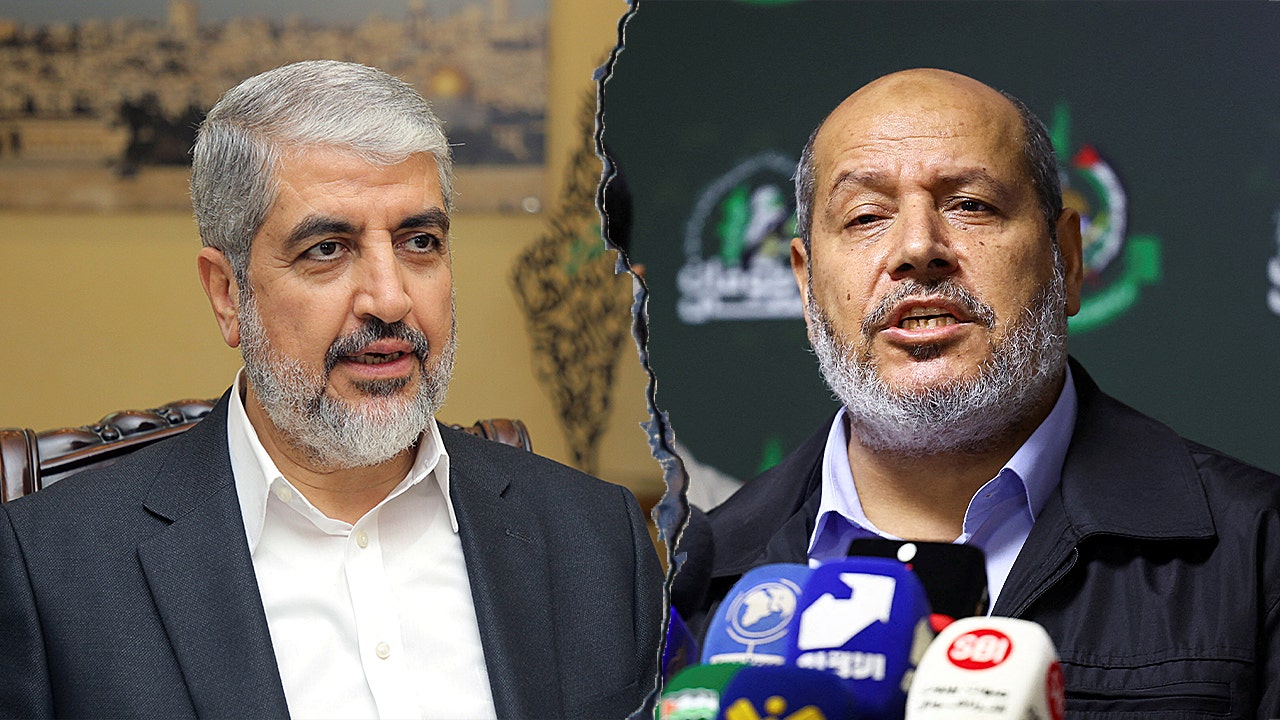
The organization is simultaneously preparing to elect new leadership following the deaths of former political chief Ismail Haniyeh and military leader Yahya Sinwar, who masterminded the October 7, 2023, attacks on Israel. According to The Jerusalem Post, senior Hamas figures Khalil al-Hayya and Khaled Mashaal are the leading contenders, with Hayya considered the favorite due to his popularity in Gaza and influence in the West Bank.
Michael cautions that the leadership transition is unlikely to moderate Hamas’s militant stance. “Both leaders are problematic,” he said. “Each one, in his own way, is considered to be more militant and more radical in his Gazan orientation and his support for armed resistance.”
Even Mashaal, who is sometimes portrayed as more politically oriented, “is still in favor of the continuation of armed resistance,” Michael noted, adding: “When it comes to Hamas, it doesn’t really matter who is going to be the next political leader of this terror organization.”
Perhaps most concerning is Hamas’s successful recruitment of teenagers during the ceasefire period. The organization has become “the most reliable employer in the Gaza Strip,” offering small incomes to boys as young as 16 or 17.
“It has become very easy for Hamas to recruit teenagers now because they effectively control the western part of the Gaza Strip,” Michael explained. “It seems to be very natural for them to join Hamas, because some of them have also lost relatives, and therefore there’s a revenge incentive.”
The security expert also warned that Hamas is using this period to rebuild its military infrastructure, including its network of underground tunnels that have been crucial to the group’s operational strategy. “They have full freedom of movement, they have also been rebuilding tunnels,” he said.
Beyond military preparations, Hamas is reestablishing governance structures across Gaza, appointing new governors to different districts and reconstituting both its governmental apparatus and military stockpiles.
The ongoing situation highlights the challenges facing both Israeli security forces and international peacekeeping efforts, as Hamas appears to be using the ceasefire not as a path toward peace but as an opportunity to regroup and prepare for potential future conflict. The development raises questions about the sustainability of the current arrangement and the prospects for lasting stability in the region.
Fact Checker
Verify the accuracy of this article using The Disinformation Commission analysis and real-time sources.

8 Comments
Hamas’ exploitation of ceasefires to rebuild its terror network is a concerning pattern. Maintaining long-term stability in the region will require a comprehensive approach that addresses the group’s recruitment tactics and governance structures in Gaza.
Agreed. Sustainable peace will depend on disrupting Hamas’ ability to consolidate power and indoctrinate young people. Robust diplomatic efforts and security measures are essential to break this cycle of conflict.
The report underscores the complexity of the situation in Gaza and the challenges in establishing lasting stability. Addressing Hamas’ terror network will require a multilateral approach involving regional and international stakeholders.
This is concerning news. Hamas’ ability to recruit and rebuild its terror network in Gaza poses a serious threat to stability in the region. Proper oversight and security measures are critical to prevent the radicalization of youth and the resurgence of extremism.
You raise a valid point. The ceasefire has provided Hamas with an opportunity to regroup and reorganize, undermining efforts to establish long-term peace. Stricter monitoring and intervention are necessary to disrupt this dangerous network.
The report highlights Hamas’ ability to quickly reestablish control and infrastructure in Gaza during ceasefire periods. This raises concerns about the effectiveness of current strategies to disrupt the group’s activities and prevent the escalation of violence.
The recruitment of teenagers by Hamas is particularly alarming. Exploiting vulnerable youth to bolster their terror network is a despicable tactic. This underscores the need for robust educational and community programs to counter radicalization.
I agree, the targeting of teenagers is especially troubling. Addressing the root causes of youth radicalization, such as socioeconomic factors, should be a priority to prevent Hamas from replenishing its ranks.