


Listen to the article
Hamas has officially confirmed the deaths of five senior leaders, marking one of the most significant blows to the terror organization since the start of the Gaza war.
In a statement released Monday by the group’s armed wing, the Izz ad-Din al-Qassam Brigades, Hamas acknowledged that Mohammed al-Sinwar, brother of former Hamas leader Yahya al-Sinwar, was killed during Israeli military operations in Gaza. Al-Sinwar had risen to a senior role and was widely viewed as a key figure in Hamas’ wartime command following the deaths of other top commanders.
The Israeli military had previously announced in May that he had been killed in an airstrike targeting a Hamas command center beneath the European Hospital in Khan Younis. Hamas did not specify the exact date of his death but confirmed it occurred earlier this year.
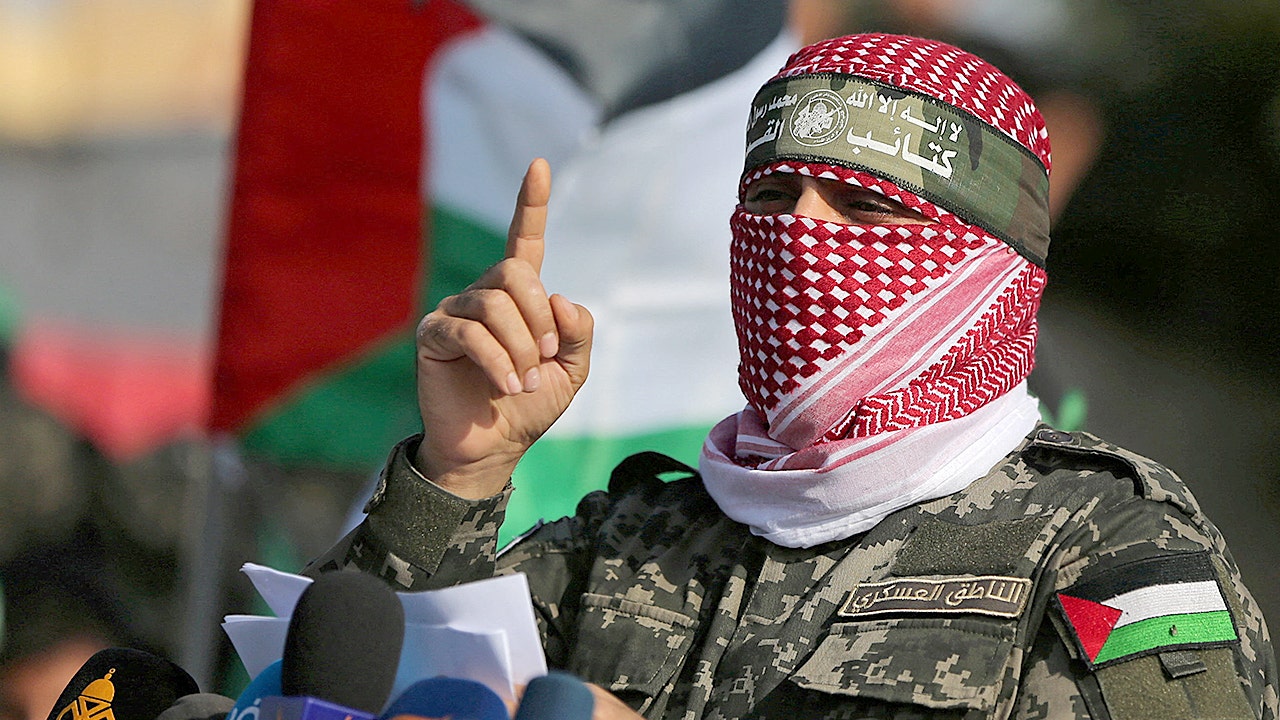
Among the other confirmed casualties was Abu Obeida, the longtime masked spokesman of the al-Qassam Brigades who had become the public face of the group’s military wing during the war. In its announcement, Hamas revealed for the first time that his real name was Hudhayfa Samir Abdullah al-Kahlout. According to Israeli statements, Abu Obeida was killed in an Israeli strike on Gaza City in late August.
The militant group also acknowledged the death of Raed Saad, a high-ranking commander within the al-Qassam Brigades. Israel had announced on December 13 that Saad had been eliminated in a targeted strike after months of tracking his movements through Gaza’s tunnel network. Israeli security officials had described Saad as one of the principal planners of the October 7, 2023, attack in which approximately 1,200 people were killed and more than 250 were taken hostage.
Two additional senior figures confirmed dead were Mohammed Shabanah, the head of Hamas’ Rafah Brigade, and Hakam al-Issa, a veteran commander and one of the founders of the al-Qassam Brigades. Both men were reported by Israel to have been killed in separate airstrikes in Gaza earlier this year, with al-Issa dying during attacks on the Sabra neighborhood of Gaza City.
These confirmations represent a major strategic victory for Israeli forces, who have systematically targeted Hamas’ leadership structure throughout the conflict. The elimination of these commanders has significantly disrupted the organization’s operational capabilities and command hierarchy in Gaza.
The acknowledgment from Hamas comes despite a ceasefire that took effect in October, highlighting ongoing tensions in the region. The confirmation of these deaths suggests the group may be consolidating its leadership and reorganizing its command structure following substantial losses among its senior ranks.
Speaking Monday after meeting Israeli Prime Minister Benjamin Netanyahu at his Mar-a-Lago estate in Florida, President Trump warned that Hamas must disarm soon or face severe consequences.
“They’re going to be given a very short period of time to disarm,” Trump stated, adding that the next phase of the Gaza peace plan could move forward quickly if Hamas lays down its weapons.
The deaths of these senior Hamas leaders come amid broader regional efforts to stabilize the situation in Gaza. The targeted killings represent Israel’s continued focus on dismantling Hamas’ leadership infrastructure, which it holds responsible for the October 7 attacks and subsequent conflict.
Security analysts note that while these losses significantly damage Hamas’ operational capabilities, the group has historically demonstrated resilience in replacing leadership figures. However, the simultaneous loss of multiple senior commanders, including those with decades of experience, presents an unprecedented challenge to the organization’s ability to maintain cohesive command and control over its forces in Gaza.
As diplomatic efforts continue, the confirmed deaths of these leaders will likely impact Hamas’ position in any future negotiations regarding Gaza’s governance and the release of remaining hostages held since the October 7 attacks.
Fact Checker
Verify the accuracy of this article using The Disinformation Commission analysis and real-time sources.

10 Comments
This news raises questions about the effectiveness of Israel’s intelligence and targeting capabilities. Hamas will likely be working to shore up its defenses and protect its remaining leadership.
This development could have wider geopolitical implications, potentially altering the balance of power in the region. It will be crucial to monitor how this event shapes the ongoing conflict between Hamas and Israel.
This is a major blow to Hamas, losing several key leaders in their military command. It will be interesting to see how they respond and whether it impacts their operations in the region.
This news underscores the ongoing volatility and complexity of the situation in Gaza. The deaths of these Hamas leaders could have far-reaching consequences that reverberate throughout the region.
The confirmation of these deaths by Hamas itself lends credibility to the reports. It suggests Israel was able to successfully infiltrate and eliminate key figures within the organization.
The death of the masked spokesman Abu Obeida is particularly significant, as he was the public face of Hamas’ military wing. His real identity being revealed adds an intriguing element to this story.
The loss of these leaders is a significant setback for Hamas, but the group has demonstrated resilience in the past. They may seek to retaliate or find ways to reorganize and rebuild their leadership structure.
While the loss of these individuals is significant, it’s important to remember that Hamas has a deep bench of leadership. The group may seek to quickly elevate new figures to fill the void.
The revelation of the masked spokesman’s true identity adds an intriguing layer to this story. It will be interesting to see how Hamas responds to this exposure of one of its key public figures.
The loss of these high-profile leaders could create a power vacuum within Hamas. It remains to be seen how the group will adapt and whether new figures will emerge to fill the void.