


Listen to the article
Swedish Transgender Skier Makes Olympic History in Livigno
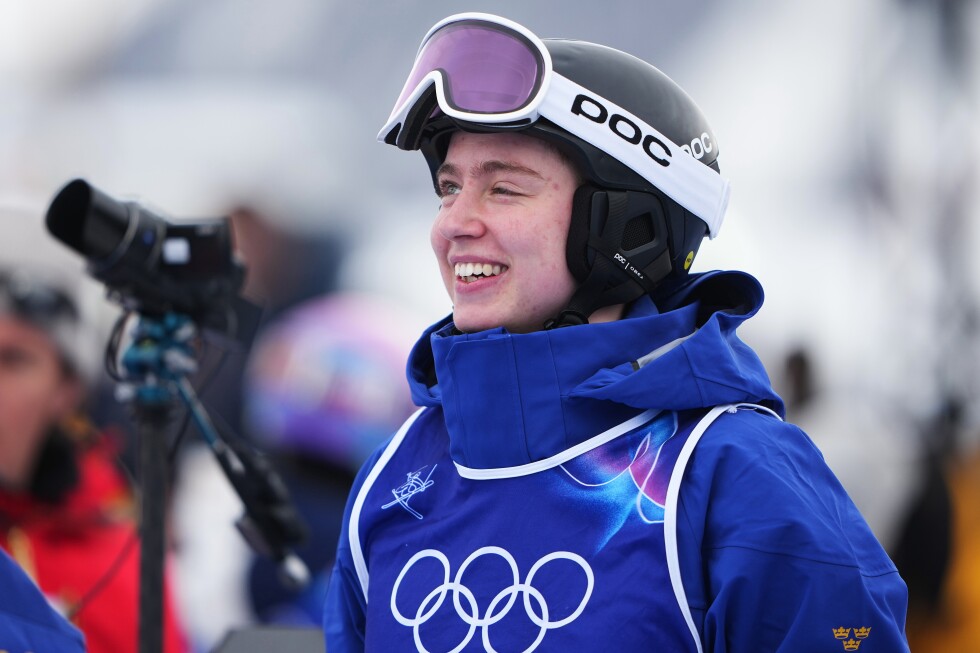
Swedish freestyle skier Elis Lundholm quietly made Winter Olympic history in Livigno, Italy, becoming what appears to be the first openly transgender athlete to compete in the Winter Games.
Lundholm, 23, finished 25th in the women’s moguls qualifying round on Wednesday, missing the cut for the finals. Despite the historical significance of his participation, Lundholm maintained a straightforward focus on his athletic performance rather than his groundbreaking role.
“I haven’t really thought about it that much,” Lundholm told reporters after his run. “I’m here at the same conditions as everyone else, so yeah, I’m just skiing.”
According to Outsports, an LGBTQ+ sports website, Lundholm’s participation marks a first for the Winter Olympics. While the International Olympic Committee-endorsed statistics site Olympedia lists more than 20 transgender athletes who have competed in Summer Games, none had previously participated in the Winter Olympics.
Lundholm, who was assigned female at birth but identifies as male, competes in the women’s category under current regulations. The Swedish ski team clarified that Lundholm has not undergone any gender-affirming treatment or surgery, preempting potential discussions about competitive advantages.
This distinction is important in the ongoing international conversation about transgender athletes in elite sports. Several sporting bodies have implemented restrictive policies in recent years, particularly focusing on transgender women competing in women’s categories.
Despite some social media criticism questioning whether Lundholm should compete with women given his male identity, his fellow competitors have been supportive.
“I think it’s great that Elis is competing as the, I think, first transgender Winter Olympian,” said U.S. skier Tess Johnson. “I think that’s awesome and, yeah, I mean we’re here to ski, we’re here to have fun, and that’s exactly what we do.”
Lundholm’s participation comes at a time when the International Ski and Snowboard Federation (FIS) is considering introducing gene testing for gender eligibility in women’s events, following similar measures implemented in world athletics. Such genetic testing represents a return to biological verification methods, though with modern technology.
From the late 1960s through the 1990s, Olympic athletes competing in women’s events underwent gender testing and received “certificates of femininity.” This practice was eventually abandoned as both intrusive and scientifically insufficient.
The landscape for transgender athletes in elite sports continues to evolve rapidly. Last year, the U.S. Olympic and Paralympic Committee effectively barred transgender women from competing in women’s sports, stating they were complying with an executive order issued during the Trump administration.
When asked about potential testing that could affect other transgender athletes, Lundholm offered a measured response: “I want everyone to be able to compete fairly against each other.”
Throughout his Olympic experience, Lundholm has maintained a focus on athletic performance rather than politics. “I’m happy to put down a run today. It wasn’t the best run,” he reflected after his qualifying attempt. “There are some things to fix, but I’m happy.”
His understated approach reflects his broader philosophy toward inclusion in sports. “I guess I want everyone to be able to be themselves and just do what they want to do,” Lundholm told reporters in Livigno.
While his Olympic journey ended in the qualifying round this time, Lundholm’s participation represents a significant milestone in the ongoing evolution of gender inclusion in elite winter sports, regardless of how quietly he may approach his groundbreaking role.
Fact Checker
Verify the accuracy of this article using The Disinformation Commission analysis and real-time sources.

8 Comments
It’s great to see more transgender athletes competing at the highest levels of sport. While there are complex issues to work through, the priority should be creating an environment where all athletes can thrive.
Absolutely. The most important thing is fostering an inclusive and equitable sports culture. Lundholm’s focus on his performance is inspiring, and I hope it paves the way for more transgender representation in the Olympics.
Lundholm’s participation is a significant milestone, but his desire to simply focus on his sport is understandable. Navigating the complexities of transgender inclusion in athletics is an ongoing challenge, but the goal should be fairness and opportunity for all.
Lundholm’s achievement is historic, though he seems to just want to focus on his sport. That’s admirable. I hope his participation helps advance the conversation around transgender athletes in a constructive way.
I’m curious to see how the participation of transgender athletes in the Olympics will evolve in the coming years. It’s a complex issue with many considerations, but the priority should be creating a fair and inclusive environment.
You raise a good point. There are valid concerns around fairness, but the Olympic spirit is about celebrating diversity and sportsmanship. I hope the governing bodies can find the right balance.
It’s great to see transgender athletes competing at the highest level. Elis Lundholm’s focus on his sport is admirable, as that should be the priority. I hope he continues to perform well and inspire others.
Absolutely, the most important thing is for athletes to be able to compete without their identity overshadowing their athletic abilities. Kudos to Lundholm for keeping the focus on his skiing.