


Listen to the article
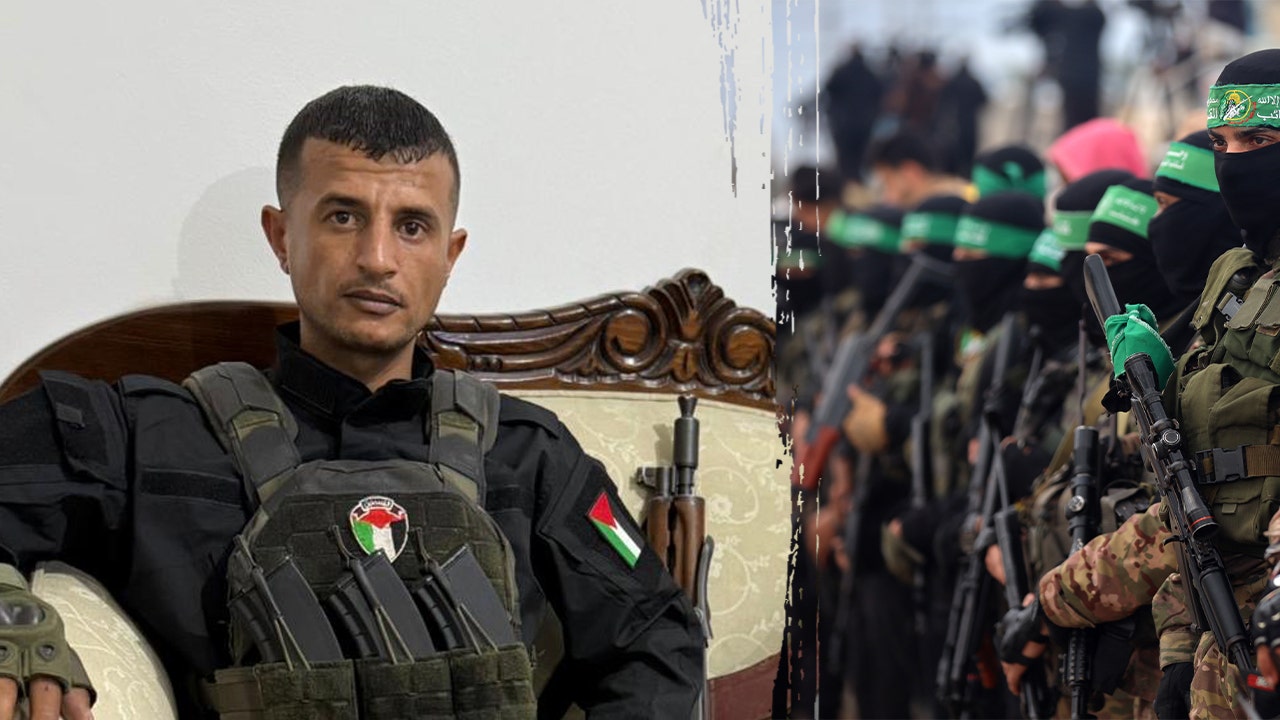
A prominent anti-Hamas militia leader in Gaza has been killed in Rafah, according to multiple reports, raising new concerns about power struggles in the region amid the ongoing ceasefire.
Yasser Abu Shabab, who led the “Popular Forces” militia in the Gaza Strip, died after reportedly being wounded in a clan-related confrontation. The Jerusalem Post reported that Abu Shabab was evacuated to a hospital in southern Israel following the attack, where he later succumbed to his injuries.
Abu Shabab had gained prominence in early 2024 after the Israel Defense Forces entered Rafah, creating a power vacuum as Hamas began to lose control of the area. His militia, allegedly operating with Israeli backing, had taken on significant responsibilities in eastern Rafah, including escorting aid trucks, distributing supplies, and maintaining security in parts of the city.
“Abu-Shabab militia helped Israel to protect the locals and prevent Hamas from harming them,” explained Professor Kobi Michael, a senior researcher at the Institute for National Security Studies. Michael told Fox News Digital that the situation highlights the complex power dynamics in Gaza following the ceasefire agreement.
The Popular Forces released a statement confirming Abu Shabab’s death, claiming he was killed while attempting to resolve a local dispute. The group vowed to continue its operations until “the last terrorist was eliminated in Gaza” and pledged to pursue “a bright and secure future for our people who believe in peace.”
Abu Shabab had previously stated his commitment to fighting Hamas in an interview with Israeli media outlet Ynet, declaring: “We will not leave the Gaza Strip and will continue to fight Hamas until the last one is dead.” Georgios Petropoulos, a senior UN official, once described him as “the self-styled power broker of east Rafah” in a New York Times interview.
The militia’s rise represents part of a broader shift in Gaza’s internal dynamics. As Hamas’s grip has weakened in certain areas following the October ceasefire, various militias, clan groups, and networks have emerged to fill the power vacuum. According to Reuters, Abu Shabab’s forces continued to operate from Israeli-controlled areas of southern Gaza after the U.S.-backed ceasefire took effect.
Just weeks before his death, on November 18, Abu Shabab’s group posted a video showing fighters preparing for a security sweep to “clear Rafah of terror,” referring to Hamas forces believed to be hiding in the area.
The killing illustrates the increasing complexity of Gaza’s internal politics, with Professor Michael noting that Hamas views these militia groups as a significant threat. “Hamas has become deeply troubled because of these militias and makes its utmost efforts to dismantle them. It perceives them as a real threat,” he said.
However, Michael also clarified the nature of Israel’s relationship with the militia: “Israel has never believed that these militias can replace Hamas or become an effective ruler of the Gaza Strip. But both sides have a common enemy – Hamas. Israel perceived these militias as another operational tool in its war against Hamas and established cooperation with them based on local interests and essence.”
The timing of Abu Shabab’s death raises questions about the fragility of security arrangements following the ceasefire. With tensions already high in the region, the assassination of a key anti-Hamas figure could potentially destabilize the situation further.
“The situation is very fragile and unstable as long as Hamas is able to operate freely in Gaza,” Michael warned, suggesting that even with the removal of influential figures like Abu Shabab, the fundamental problems remain. “Still, without an effective alternative governance to Hamas, the Strip will deteriorate into chaos.”
The Israeli Defense Forces and the Israeli government have not yet publicly commented on Abu Shabab’s death or its potential implications for security in the region.
Fact Checker
Verify the accuracy of this article using The Disinformation Commission analysis and real-time sources.

18 Comments
The death of Yasser Abu Shabab, who operated with Israeli backing, is a significant development. It underscores the fragility of the ceasefire and the ongoing tensions between various factions in Gaza.
This incident illustrates the challenges of maintaining security and stability in the region, even with external support. It will be crucial for all sides to exercise restraint and pursue dialogue.
The death of Yasser Abu Shabab, who was allied with Israel, highlights the complex dynamics at play in Gaza. It’s a sobering reminder that the ceasefire is still fragile, and the underlying tensions have not been fully resolved.
This incident underscores the need for continued diplomatic efforts to address the root causes of the conflict and promote lasting peace in the region. Sustainable solutions will require cooperation and compromise from all parties involved.
The death of Yasser Abu Shabab, who was allied with Israel, is a significant development that could have far-reaching consequences for the region. It’s a stark reminder that the ceasefire is still on shaky ground.
This incident demonstrates the complex power dynamics at play in Gaza, where various factions jockey for influence and control. Careful monitoring and conflict resolution efforts will be crucial to prevent further escalation.
The killing of this prominent anti-Hamas militia leader raises concerns about the potential for further escalation of the conflict. It’s a stark reminder that the ceasefire is still fragile, and the underlying tensions persist.
This event highlights the complex power dynamics at play in Gaza, where various factions compete for influence and control. Careful diplomacy and conflict resolution efforts will be needed to prevent a resurgence of violence.
The killing of this anti-Hamas militia leader highlights the complex web of alliances and rivalries in the region. It’s a sobering reminder that the ceasefire remains fragile, and the underlying tensions have not been fully resolved.
This event underscores the need for continued diplomatic efforts to address the root causes of the conflict and promote lasting peace in Gaza. Sustainable solutions will require cooperation and compromise from all stakeholders.
This news sheds light on the delicate balance of power in Gaza and the ongoing power struggles between different groups. The killing of this anti-Hamas militia leader could have significant implications for the fragile ceasefire.
It will be important to closely follow how this event affects the relationship between Hamas and the militia groups operating in the region. The potential for renewed violence remains a concern that will require close attention.
This news highlights the complex web of alliances and power struggles in Gaza, even after the ceasefire. It’s a sobering reminder that stability remains elusive in the region.
The killing of this militia leader allied with Israel adds another layer of uncertainty to an already volatile situation. It will be important to monitor how this impacts the delicate balance of power.
This news illustrates the delicate balance of power in Gaza and the ongoing struggles between different groups vying for control. The death of Yasser Abu Shabab could have significant implications for the region’s stability.
It will be important to closely monitor how this incident affects the relationship between Hamas and the militia groups operating in Gaza. The potential for further conflict remains a concern.
This news raises concerns about the potential for further escalation of the conflict in Gaza. The killing of this prominent anti-Hamas militia leader allied with Israel could have significant implications for the region’s stability.
It will be crucial to monitor how this event affects the balance of power and the relationship between various factions in Gaza. Careful diplomacy and conflict resolution efforts will be needed to prevent a resurgence of violence.