


Listen to the article
BBC in Crisis as Top Executives Resign Over Trump Speech Editing Scandal
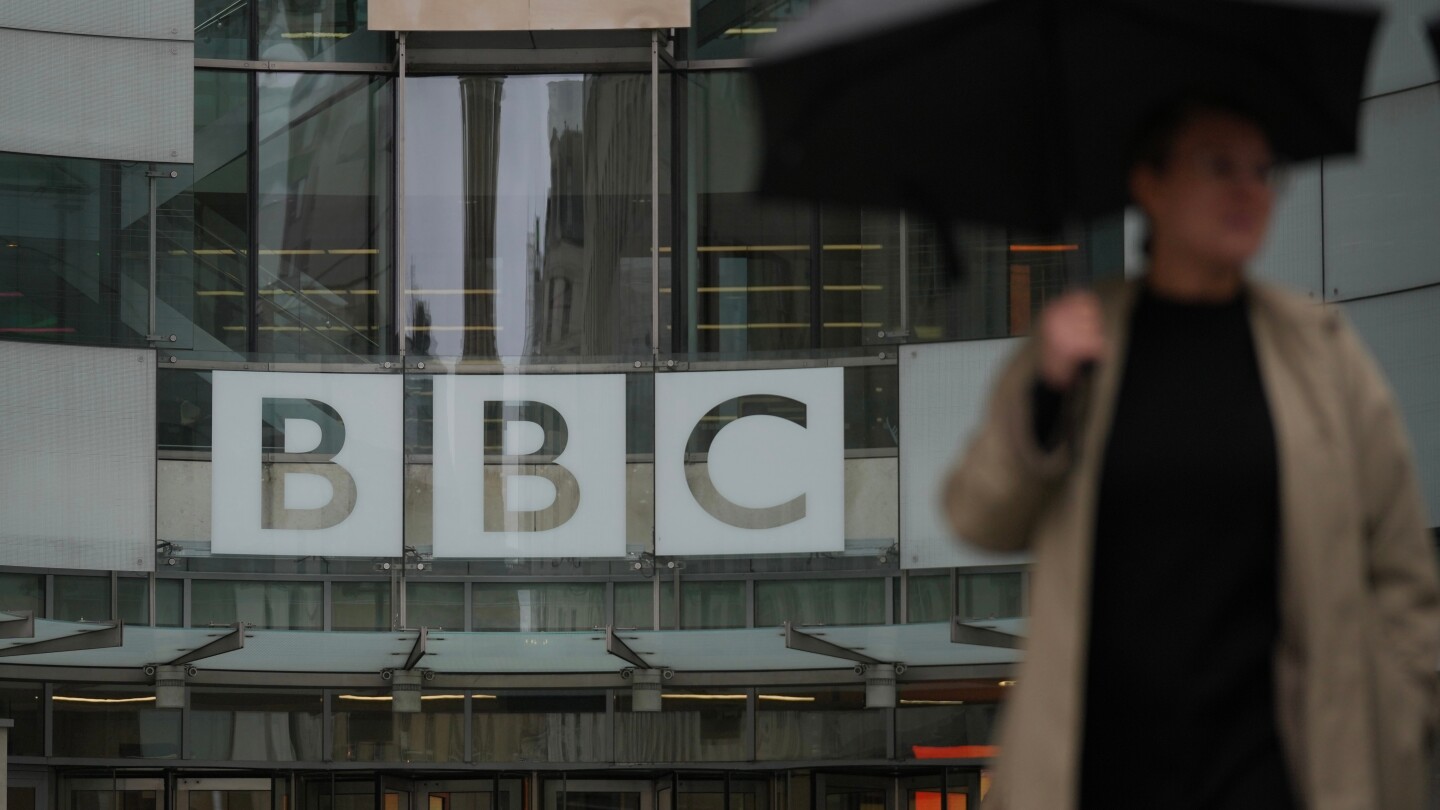
The abrupt resignation of two top executives at the BBC has plunged the venerable British broadcaster into what experts are calling an “existential crisis” following a controversy over the editing of a Donald Trump speech.
BBC Director General Tim Davie and Head of News Deborah Turness both stepped down Sunday after revelations that the broadcaster’s flagship “Panorama” documentary program had deceptively edited portions of Trump’s January 6, 2021 speech, making it appear he explicitly urged supporters to march on Capitol Hill and “fight like hell.”
The controversy erupted when an internal memo compiled by a former external editorial standards adviser was published in the Daily Telegraph, exposing how the program had spliced together three quotes from different sections of Trump’s speech, delivered almost an hour apart, while omitting segments where Trump called for peaceful demonstration.
“This is an existential crisis for the BBC,” said Julie Posetti, journalism professor at City St. George’s University of London. “In capitulating so quickly, it has sent a signal that it’s relatively easy to cow the BBC.”
BBC Chairman Samir Shah acknowledged Monday that the editing gave “the impression of a direct call for violent action,” calling it an “error of judgment.” Meanwhile, Trump’s attorney threatened legal action, demanding the broadcaster “retract the false, defamatory, disparaging and inflammatory statements” and compensate the president for harm caused.
The scandal has reignited long-standing accusations of institutional bias at the BBC. Nigel Farage, hard-right leader of the Reform UK party, claimed the BBC “has been institutionally biased for decades” to loud applause from supporters at a news conference Monday.
Critics have particularly targeted the broadcaster’s coverage of transgender issues, the Israel-Hamas conflict, and political matters, alleging a consistent left-leaning perspective. Charles Moore, former editor of the Daily Telegraph, claimed the BBC operates from “a sort of metropolitan, left position” on numerous issues.
However, Turness insisted “there’s no institutional bias” at the BBC before her resignation, a position supported by Prime Minister Keir Starmer. Posetti agreed, arguing the BBC, like many news outlets, is under attack from right-wing voices and the Trump administration.
“I’m not suggesting that there weren’t errors made, but I think those errors needed to be addressed head-on, clearly and transparently and in a very timely manner,” Posetti said. Instead, the rapid executive departures will have a “destabilizing effect” on the organization.
The controversy comes at a particularly vulnerable time for the BBC, which faces charter renewal negotiations in the coming years. Funded through an annual TV license fee of £174.50 ($230) paid by all households with televisions, the broadcaster has seen declining revenues as more viewers turn to streaming services and social media.
Founded in the 1920s, the BBC remains one of Britain’s most significant cultural exports. Its World Service operates in over 40 languages globally, while entertainment programs like “Doctor Who” and “The Traitors” maintain worldwide popularity. Despite not being a state broadcaster, the BBC is bound by its charter to maintain impartiality and independence.
Trump’s threat of legal action follows similar disputes with American media organizations. In July, Paramount (which owns CBS) agreed to pay $16 million to settle a lawsuit over a “60 Minutes” interview with then-Vice President Kamala Harris that Trump claimed was edited to enhance her performance. Last year, ABC News paid $15 million to settle a defamation lawsuit over inaccurate on-air assertions about Trump.
“This is the BBC’s last chance,” Farage warned. “If the BBC doesn’t now get a grip… then I think what you would see within the next couple of years are many, many millions just refusing, just not wanting to have the license fee.”
As the broadcaster searches for new leadership, the scandal has raised fundamental questions about editorial standards, impartiality, and the future of public service broadcasting in an increasingly polarized media landscape.
Fact Checker
Verify the accuracy of this article using The Disinformation Commission analysis and real-time sources.

14 Comments
I hope the BBC uses this crisis as an opportunity to strengthen their editorial processes and reaffirm their commitment to journalistic integrity. Maintaining public trust should be their top priority right now.
I’m curious to know what the internal investigation uncovers. Were there systemic issues that allowed this to occur, or was it an isolated incident by a rogue editor? The BBC needs to get to the bottom of it.
Good point. The BBC should conduct a rigorous, independent review to identify any weaknesses in their editorial processes and make necessary changes to prevent future lapses.
This is a real blow to the BBC’s credibility. They pride themselves on impartial, fact-based reporting, so this kind of controversy is particularly damaging. They have their work cut out to regain the public’s trust.
Absolutely. The BBC is a global media institution, so this saga could have far-reaching consequences if not handled properly. They need to be transparent and accountable.
It’s concerning to see such a respected news organization like the BBC accused of deceptive editing. They need to get to the bottom of this and take swift, decisive action to address any underlying issues.
The BBC’s credibility is on the line here. They need to thoroughly investigate what happened and make sweeping changes to prevent this from ever happening again. The public deserves the truth, not manipulated footage.
Absolutely. The BBC’s reputation for impartial reporting is crucial. They need to be transparent about this incident and demonstrate they’re committed to restoring trust.
This is a serious setback for the BBC. They need to conduct a thorough, independent investigation to get to the bottom of what happened and hold the responsible parties accountable. The future credibility of the organization is at stake.
Agreed. The BBC has a responsibility to the public to ensure this kind of deceptive editing never happens again. Restoring faith in their reporting should be their main focus.
Wow, this is a major scandal for the BBC. Editing a speech in that way is a huge breach of journalistic ethics. I hope they get to the bottom of this and hold the responsible parties accountable.
I agree, the BBC should be held to the highest standards of accuracy and fairness. This kind of deceptive editing is unacceptable.
This is a real test for the BBC’s commitment to honest, unbiased journalism. I hope they take this as an opportunity to strengthen their standards and rebuild public confidence in their reporting.
Agreed. The BBC has a long, proud history, but this scandal could do lasting damage if not handled properly. They need to be proactive and transparent in their response.