


Listen to the article
French-Chilean Man Freed After Four-Month Detention in Venezuela
A French-Chilean citizen has returned to France following his release from a four-month detention in Venezuela, the French government announced on Sunday. Camilo Castro, a 41-year-old yoga instructor who resides in Colombia, was welcomed back on French soil when his flight touched down at Paris’ Orly airport.
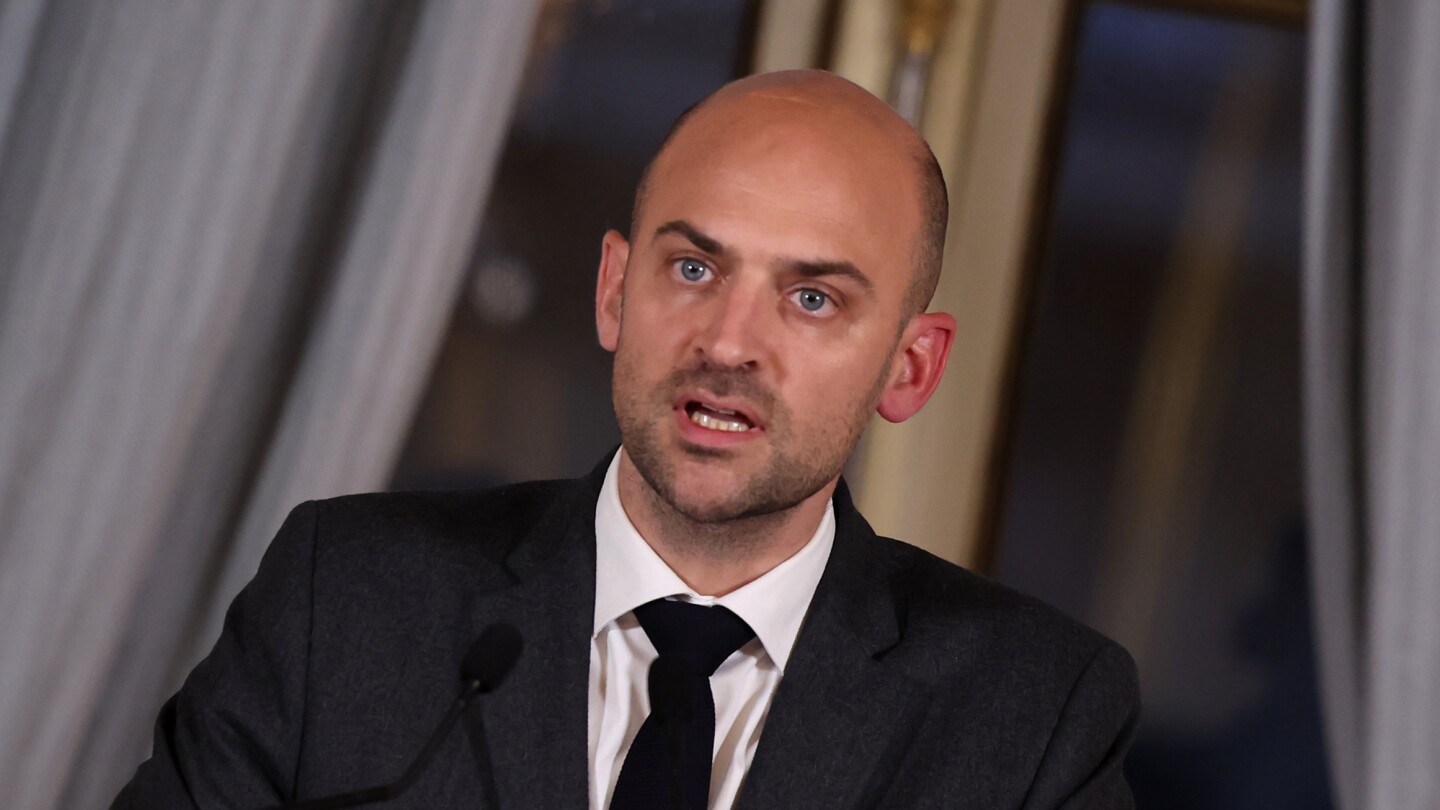
French Foreign Minister Jean-Noël Barrot attributed Castro’s release to the country’s diplomatic efforts, highlighting the behind-the-scenes work that secured his freedom. President Emmanuel Macron also celebrated the development on social media platform X, writing: “France sometimes advances quietly, but always with determination and composure: That is how we protect our own.”
Castro appeared visibly tired upon arrival, bearing the physical signs of his ordeal. According to Amnesty International, he had gone missing in June after crossing into Venezuela from Colombia. What was meant to be a brief trip to extend his Colombian visa turned into a prolonged detention under unclear circumstances.
The case underscores the complex political situation in Venezuela, where arbitrary detentions have become increasingly common under President Nicolás Maduro’s government. Human rights organizations have documented numerous cases of foreign nationals being detained in the country, often with limited consular access or legal representation.
Diplomatic relations between Venezuela and several Western nations, including France, have been strained in recent years due to concerns about democratic backsliding and human rights abuses. Nevertheless, France has maintained diplomatic channels that proved crucial in this case.
The French government has not disclosed details about the conditions of Castro’s detention or the negotiations that led to his release. This approach aligns with France’s typically discreet handling of hostage and detention situations abroad, preferring to work through diplomatic channels rather than public pressure campaigns.
For dual nationals like Castro, navigating international borders in politically sensitive regions can carry significant risks. Venezuela’s border areas, particularly those shared with Colombia, have become increasingly militarized amid tensions between the neighboring countries. Colombia hosts the largest population of Venezuelan migrants, with over 2.5 million people having fled economic collapse and political repression in Venezuela.
Castro’s case has drawn attention from international human rights organizations, including Amnesty International, which had advocated for his release. The organization has previously criticized Venezuela for targeting individuals with tenuous or fabricated connections to opposition activities.
The yoga teacher’s return represents a diplomatic win for France, which has made the protection of its citizens abroad a priority under Macron’s administration. In recent years, France has secured the release of several nationals detained in various countries, including Iran, Russia, and Mali.
For Castro, his return to France marks the end of a harrowing chapter, though the psychological impact of his detention will likely linger. Many former detainees face challenges reintegrating into normal life after experiencing prolonged isolation and uncertainty about their fate.
As France celebrates this diplomatic success, questions remain about other foreign nationals still detained in Venezuela under similar circumstances. Human rights advocates continue to call for transparency and due process in all such cases, emphasizing that international norms must be respected even amid political tensions.
Castro has not yet made public statements about his detention, and it remains unclear whether he will return to his home in Colombia or remain in France for the foreseeable future.
Fact Checker
Verify the accuracy of this article using The Disinformation Commission analysis and real-time sources.

7 Comments
This case illustrates the risks and challenges that foreigners can face when traveling to certain countries. I hope the authorities in Venezuela will improve their treatment of detainees and respect international norms.
Absolutely. Increased transparency and adherence to the rule of law would go a long way in improving Venezuela’s international reputation and relations.
The arbitrary detention of foreign citizens in Venezuela is a concerning issue that needs more attention. I hope this incident highlights the need for greater accountability and respect for human rights in the country.
You’re right, Venezuela’s record on arbitrary detentions and human rights abuses is troubling. Increased international pressure may be needed to address this problem.
The release of the French-Chilean yoga teacher is a positive development, but it also raises questions about the broader human rights situation in Venezuela. Arbitrary detentions and lack of due process are serious concerns that need to be addressed.
Glad to hear the French-Chilean yoga teacher has been released from detention in Venezuela. Diplomatic efforts can sometimes pay off, even in complex political situations. Hopefully this man can now return to his normal life.
It’s good to see France working behind the scenes to secure the release of one of its citizens detained in Venezuela. Quiet diplomacy can sometimes be more effective than public confrontation in sensitive political situations.