


Listen to the article
France to Ban Social Media for Children Under 15, Restrict Phone Use in Schools
France is planning to implement a nationwide ban on social media for children under 15 years old and restrict cellphone use in high schools starting next year, according to a report published Tuesday by French newspaper Le Monde.
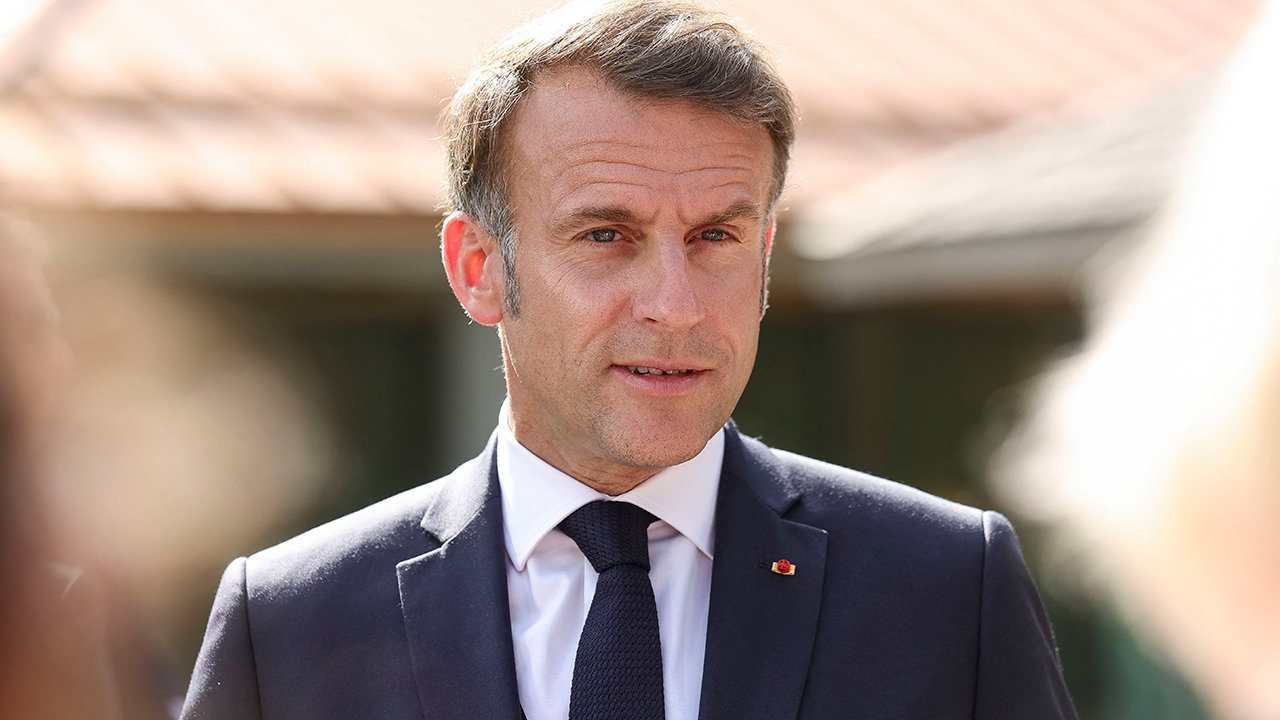
The proposed legislation aims to address growing concerns about excessive screen time and protect minors from various online risks. President Emmanuel Macron has repeatedly identified social media as a contributing factor to youth violence in the country.
“Many studies and reports now confirm the various risks caused by excessive use of digital screens by adolescents,” states a draft of the law, according to Le Monde. The document further notes that children with unrestricted online access have been exposed to “inappropriate content” and may suffer from cyberbullying or experience disruptions to their sleep patterns.
The French initiative follows Australia’s landmark decision in December to implement the world’s first ban on social media for children under 16, which restricts access to major platforms including Facebook, TikTok, and YouTube. The Australian legislation has been closely watched by policymakers worldwide as a potential model for youth protection online.
Macron is pushing for parliamentary debate on the proposal as early as January, with implementation potentially beginning in September 2025. The French president has also expressed interest in advocating for similar regulations across the European Union, particularly following a fatal school stabbing in eastern France in April that shocked the nation.
The proposed ban represents an escalation of France’s existing digital restrictions for young people. Since 2018, cellphones have already been banned in French elementary and middle schools, but the new measures would extend these protections significantly.
France’s efforts to regulate youth access to digital platforms have faced challenges in the past. In 2023, the country attempted to establish a “digital legal age” requiring parental consent for social media users under 15, but the initiative was blocked by EU regulations. The new proposal appears designed to navigate these regulatory hurdles more effectively.
The push for stricter social media age restrictions has gained momentum across Europe. In November, the European Parliament urged the EU to establish minimum age requirements for social media access to address adolescent mental health concerns. However, final policy decisions on such matters remain with individual member states.
France’s proposed ban comes amid growing global concern about the impact of social media on young people’s development, mental health, and safety. Research has increasingly linked excessive social media use among adolescents to issues including anxiety, depression, sleep disruption, and vulnerability to harmful content or interactions.
If implemented, France’s policy would represent one of the most restrictive approaches to youth social media access in Europe, potentially influencing other nations considering similar measures.
Tech companies operating in France would likely need to develop more robust age verification systems to comply with the new regulations, a challenge that has complicated previous efforts to restrict youth access to digital platforms.
As the debate over children’s digital safety continues, France’s proposed legislation highlights the evolving tension between technological innovation and child protection concerns that governments worldwide are attempting to navigate.
Fact Checker
Verify the accuracy of this article using The Disinformation Commission analysis and real-time sources.

18 Comments
A ban on social media for minors is a significant step, but the effectiveness will depend on how well it’s enforced and whether it addresses the underlying issues. Curious to see the public reaction in France.
This is a complex issue with valid concerns on both sides. A balanced approach promoting digital literacy and parental guidance may be more effective than an outright ban.
France’s plan to ban social media for under-15s highlights the growing concern over the impact of digital technology on young people’s wellbeing. It will be worth monitoring the outcomes of this policy.
This proposed social media ban for minors in France is a bold move, but one that may face implementation challenges. Curious to see how it’s received and if other countries follow suit.
While the intent to protect children is understandable, banning access outright may not be the most effective solution. A more nuanced approach focusing on digital literacy could be more impactful.
France’s proposed social media ban for under-15s raises important questions about digital access, privacy, and child development. I’m curious to see how this policy is received.
This is a complex issue without easy solutions. While well-intentioned, bans can also have unintended consequences that need to be carefully considered.
France’s proposed social media ban for under-15s is an ambitious attempt to address growing concerns around online risks for young people. It will be important to carefully monitor the impacts as this policy is implemented.
Restricting social media access for minors is a bold move by France, but the long-term effectiveness may depend on complementary efforts to improve digital literacy and support healthy technology use.
An outright ban could face enforcement challenges and potentially push kids to find workarounds. A more nuanced approach balancing access and safeguards may be more impactful.
Interesting move by France to protect children from social media risks. Curious to see if other countries follow suit, and how effective this ban will be in practice.
Definitely a complex issue balancing digital access and child safety. Will be important to monitor the impacts as this policy is implemented.
This proposed social media ban in France is an interesting development in the ongoing debate around children’s digital access and online safety. It will be worth following how this policy is received and implemented.
France’s plan to restrict social media for under-15s raises important questions about the role of technology in young people’s lives. It will be interesting to see if this policy achieves the intended outcomes.
This seems like a reasonable approach to address growing concerns around excessive screen time and online risks for minors. Glad to see France taking proactive steps on this.
It will be important to ensure the ban is effectively enforced and doesn’t just push kids to access social media through VPNs or other workarounds.
A bold move by France to restrict social media access for minors. It will be interesting to see if this approach is successful in reducing the harms associated with excessive online time.
Protecting children from online risks is crucial, but banning access entirely may not be the best long-term solution. Nuanced policies that promote digital literacy could be more effective.