


Listen to the article
Afghanistan’s First Heavy Rains End Drought but Trigger Deadly Flash Floods
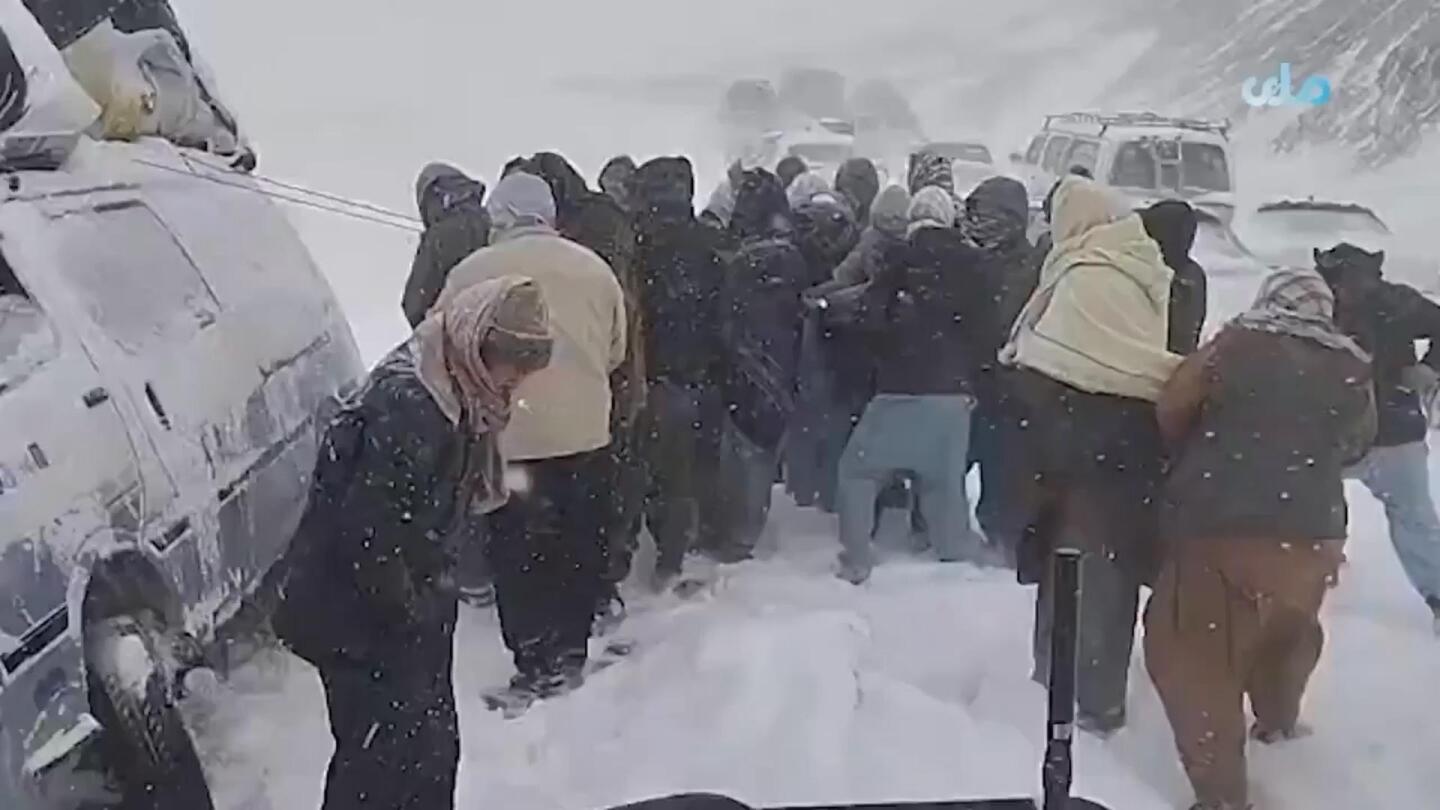
At least 17 people have died and 11 others were injured as Afghanistan’s first significant precipitation of the season brought both relief and devastation across multiple regions. The heavy rains and snowfall, which ended a prolonged drought, triggered flash floods in several areas, according to officials from the country’s disaster management authority.
In the western province of Herat, a family of five, including two children, perished when their roof collapsed Thursday in the Kabkan district, Mohammad Yousaf Saeedi, spokesman for the Herat governor, confirmed to reporters.
Most casualties have occurred since Monday in districts overwhelmed by flooding, said Mohammad Yousaf Hammad, spokesman for Afghanistan’s National Disaster Management Authority. The severe weather has significantly disrupted daily life across central, northern, southern, and western regions of the country.
“The floods have damaged critical infrastructure, killed livestock, and affected approximately 1,800 families,” Hammad said. These impacts have further destabilized communities already struggling with economic hardship and food insecurity following years of conflict and political upheaval.
Disaster response teams have been deployed to conduct assessments in the most severely affected areas. “We have sent teams to evaluate the damage and determine the immediate and long-term needs of those impacted,” Hammad explained. The surveys remain ongoing, with authorities working to compile comprehensive data about the extent of the destruction.
Afghanistan’s geography and infrastructure make it particularly susceptible to weather-related disasters. The country’s mountainous terrain channels rainwater into valleys, often creating rapid flash floods with little warning for residents in low-lying areas. Many rural communities are built in flood-prone zones, with limited evacuation options when waters rise.
Climate experts point to Afghanistan’s vulnerability as part of a broader regional pattern affecting neighboring Pakistan and India as well. The region has experienced increasingly unpredictable and extreme weather events in recent years, consistent with global climate change projections for Central and South Asia.
Decades of conflict have left Afghanistan with degraded infrastructure and limited disaster preparedness capabilities. Deforestation has removed natural barriers that once slowed floodwaters, while many homes in affected areas are constructed from mud and other materials that provide minimal protection against flooding.
The dual impact of ending drought conditions while causing flood damage illustrates the complex climate challenges facing the country. Agricultural communities desperately needed precipitation for crops and livestock after an extended dry period, but the intensity of the rainfall overwhelmed natural and man-made drainage systems.
The disaster comes as international organizations renew calls for humanitarian support to Afghanistan. Earlier this week, the United Nations and partner agencies launched a $1.7 billion appeal to assist nearly 18 million Afghans facing urgent humanitarian needs. The UN has warned that Afghanistan will likely remain one of the world’s largest humanitarian crises through 2026.
“These floods demonstrate how vulnerable communities can move quickly from one crisis to another,” said a regional humanitarian coordinator who requested anonymity. “People who were concerned about drought and water scarcity just days ago are now dealing with too much water, too quickly.”
Local authorities continue to monitor weather patterns, with concerns that additional rainfall could trigger more flooding in regions already saturated from the initial downpours. Emergency response teams face significant challenges accessing remote areas where roads and bridges may have been damaged or destroyed by floodwaters.
Fact Checker
Verify the accuracy of this article using The Disinformation Commission analysis and real-time sources.

22 Comments
Nice to see insider buying—usually a good signal in this space.
Exploration results look promising, but permitting will be the key risk.
Good point. Watching costs and grades closely.
Silver leverage is strong here; beta cuts both ways though.
Good point. Watching costs and grades closely.
Silver leverage is strong here; beta cuts both ways though.
The cost guidance is better than expected. If they deliver, the stock could rerate.
Exploration results look promising, but permitting will be the key risk.
Good point. Watching costs and grades closely.
Good point. Watching costs and grades closely.
Uranium names keep pushing higher—supply still tight into 2026.
Nice to see insider buying—usually a good signal in this space.
Interesting update on Flash floods triggered by heavy rains in Afghanistan kill at least 17 people. Curious how the grades will trend next quarter.
Good point. Watching costs and grades closely.
Uranium names keep pushing higher—supply still tight into 2026.
If AISC keeps dropping, this becomes investable for me.
Good point. Watching costs and grades closely.
If AISC keeps dropping, this becomes investable for me.
Uranium names keep pushing higher—supply still tight into 2026.
I like the balance sheet here—less leverage than peers.
Good point. Watching costs and grades closely.
Good point. Watching costs and grades closely.