


Listen to the article
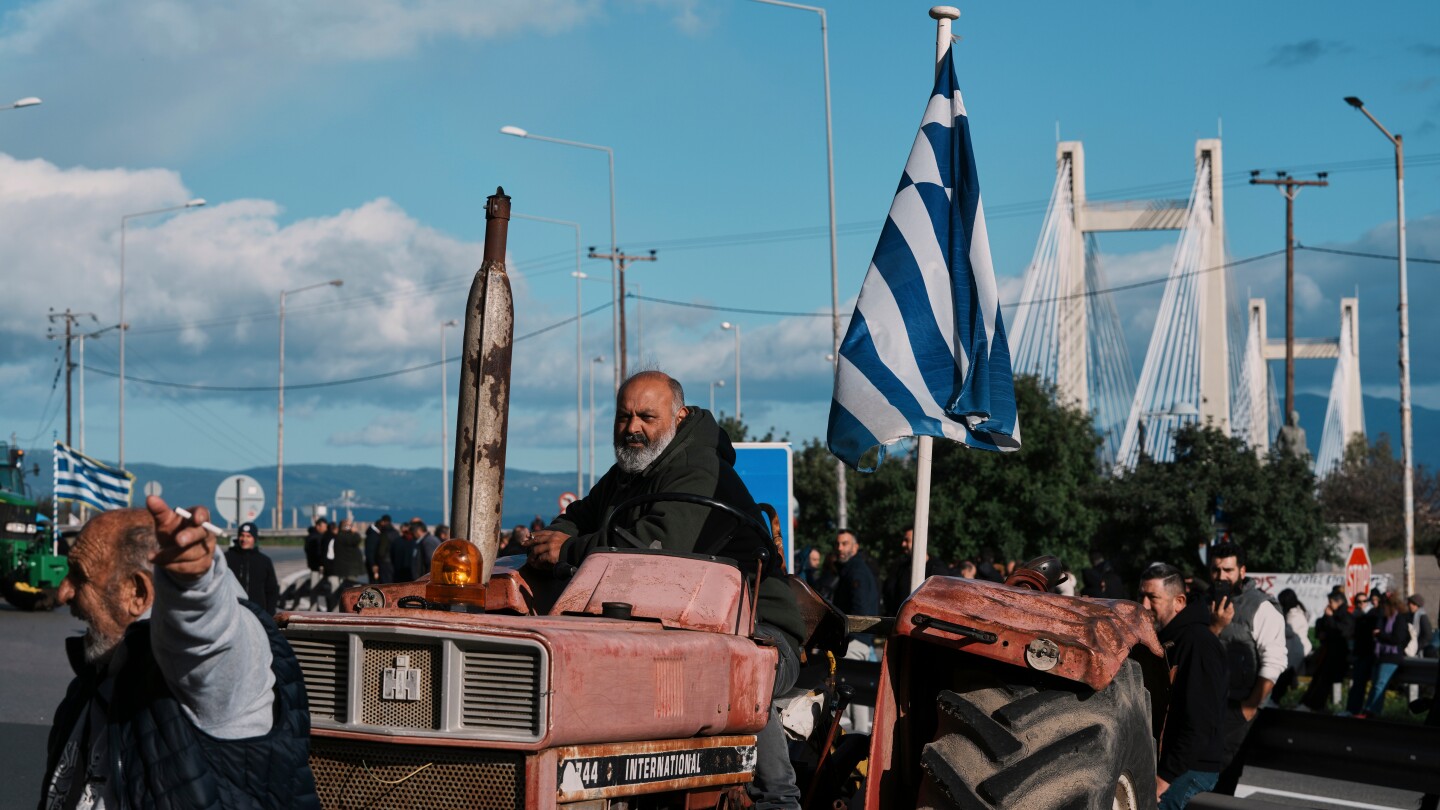
Greek farmers escalated their nationwide protests Thursday, launching a 48-hour blockade of major highways, junctions, and toll stations across the country. The demonstrators, armed with tractors and agricultural machinery, have effectively paralyzed Greece’s transportation network, allowing passage only to emergency vehicles.
The country’s main highway connecting Athens to the northern city of Thessaloniki was shut in both directions at multiple points as farmers demanded increased government support and the rejection of a controversial European Union trade agreement with South American nations.
“We’ve reached a breaking point,” said Yiannis Baritas, a cabbage farmer and father of five, speaking from a roadblock in southern Greece. “We’ll stay here as long as it takes to support our families. They’ve pushed us to desperation.”
Police have been diverting traffic to secondary routes where possible but have not intervened to dismantle the blockades. However, Greece’s conservative government has issued warnings that it will not tolerate extended disruptions to the country’s transportation infrastructure.
The protests, which began in November, initially focused on rising production costs that have squeezed farmers’ profit margins to unsustainable levels. The situation has been exacerbated by a series of crises, including a subsidy fraud scandal that has delayed legitimate payments to farmers and an outbreak of sheep and goat pox that has devastated livestock herds in some regions.
In an attempt to defuse tensions ahead of the latest protest action, the Greek government announced new concessions on Wednesday, including cheaper electricity rates for agricultural operations and fuel tax rebates. These measures, however, appear to have done little to address farmers’ core concerns.
A central issue driving the protests is the proposed EU-Mercosur trade agreement, which would create one of the world’s largest free trade zones between Europe and South American nations including Brazil, Argentina, Paraguay, and Uruguay. The deal, under negotiation for more than two decades, has faced growing resistance from the agricultural sector across Europe.
“If this agreement goes through, Greek agriculture is finished,” warned Vangelis Roubis, a protest organizer, speaking outside the southern city of Halkida. “Greece depends on agriculture and tourism. We don’t have heavy industry like Germany or France. Production costs here are 300% higher than in Latin America.”
To illustrate the competitive disadvantage Greek farmers would face, Roubis pointed to potato production: Greek farmers need 35 to 40 cents per kilogram to break even, compared to approximately 10 cents in Brazil. This stark difference reflects the broader challenges European farmers face when competing with South American agricultural products.
“We want Greece to join the block of EU nations that rejects this deal,” Roubis added, referring to the growing coalition of member states expressing reservations about the agreement’s impact on European agriculture.
The Greek protests mirror similar demonstrations across Europe, with French farmers also taking to the streets on Thursday. Agricultural unions across the continent have been voicing concerns that the EU-Mercosur deal would flood European markets with cheaper imports produced under less stringent environmental and labor regulations.
The agricultural sector represents a significant portion of Greece’s economy, particularly in rural regions where farming remains a primary source of income and employment. Unlike more industrialized EU member states, Greece relies heavily on small to medium-sized family farms, which are particularly vulnerable to market fluctuations and international trade pressures.
As the 48-hour blockade continues, the standoff between farmers and the government shows few signs of resolution, placing additional pressure on Prime Minister Kyriakos Mitsotakis’s administration to address the agricultural sector’s concerns while maintaining the country’s transportation infrastructure.
Fact Checker
Verify the accuracy of this article using The Disinformation Commission analysis and real-time sources.

18 Comments
Exploration results look promising, but permitting will be the key risk.
Good point. Watching costs and grades closely.
Good point. Watching costs and grades closely.
Production mix shifting toward World might help margins if metals stay firm.
Good point. Watching costs and grades closely.
Exploration results look promising, but permitting will be the key risk.
Good point. Watching costs and grades closely.
I like the balance sheet here—less leverage than peers.
Good point. Watching costs and grades closely.
Interesting update on Farmers block highways across Greece in protest over rising costs and EU trade deal. Curious how the grades will trend next quarter.
Good point. Watching costs and grades closely.
Good point. Watching costs and grades closely.
The cost guidance is better than expected. If they deliver, the stock could rerate.
Exploration results look promising, but permitting will be the key risk.
Good point. Watching costs and grades closely.
Exploration results look promising, but permitting will be the key risk.
Good point. Watching costs and grades closely.
Good point. Watching costs and grades closely.