


Listen to the article
Nuclear experts are urging the Trump administration to address Iran’s potential plutonium pathway to nuclear weapons in any future agreement with Tehran, warning of a dangerous oversight in non-proliferation efforts that have primarily focused on uranium-based weapons development.
While international attention has centered on Iran’s uranium enrichment activities, security analysts point to the regime’s ability to potentially leverage plutonium from its nuclear facilities as an alternative route to developing atomic weapons – a scenario that remains inadequately monitored and regulated.
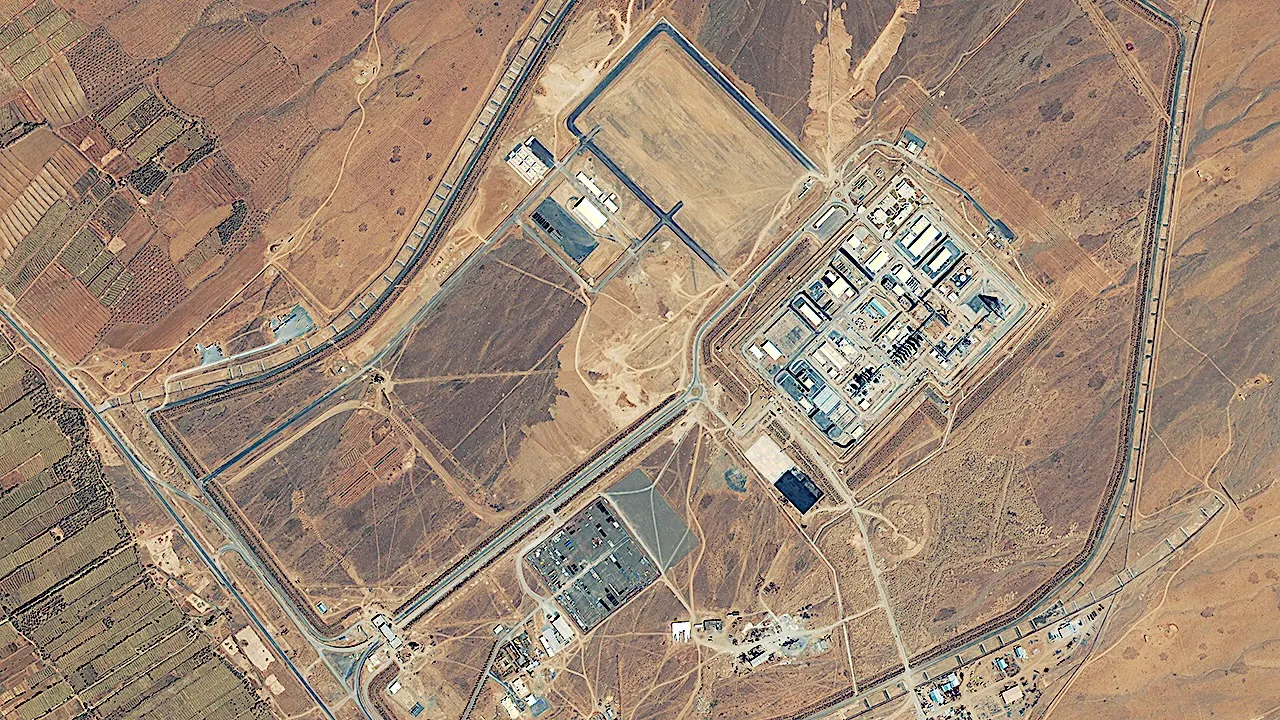
“Any proposed deal with Iran needs to address the plutonium pathway to nuclear weapons,” Jason Brodsky, policy director at United Against Nuclear Iran (UANI), told Fox News Digital. He noted that Israel had struck the Arak heavy water reactor twice in the past year – in June 2025 and March 2026 – after intelligence indicated Iran had repeatedly attempted to rebuild the facility following bombing attacks.
The concerns extend beyond Arak. Henry Sokolski, executive director of the Nonproliferation Policy Education Center and former Department of Defense deputy for nonproliferation policy, has highlighted that Iran could extract plutonium from spent fuel at its Bushehr nuclear reactor to develop atomic weapons.
“Washington should make sure that Iran doesn’t remove Bushehr’s spent fuel and strip out the plutonium,” Sokolski wrote in Real Clear Defense last month. He advocated for strict monitoring measures, arguing that any agreement with Tehran should include “near-real-time monitoring of the Bushehr reactor and spent fuel pond,” similar to what the International Atomic Energy Agency (IAEA) previously maintained for Iran’s fuel enrichment activities.
The monitoring gap is particularly concerning since IAEA inspectors last visited Bushehr on August 27, 2025. Even during periods of regular access, inspections occurred only every 90 days – a timeframe that experts warn provides ample opportunity for potential diversion of nuclear materials.
In the Bulletin of the Atomic Scientists, Sokolski claimed Iran possesses enough plutonium for more than 200 nuclear bombs, emphasizing that previous administrations failed to secure adequate surveillance measures despite IAEA requests.
A State Department spokesperson acknowledged the threat, telling Fox News Digital: “Iran’s nuclear program poses a threat to the United States and the entire world. Iran today stands in breach of its Nuclear Non-Proliferation Treaty obligations by failing to provide full cooperation with the IAEA.”
Not all experts share the same level of concern, however. David Albright, president of the Institute for Science and International Security and former weapons inspector, expressed skepticism about Iran’s ability to utilize Bushehr’s plutonium for weapons.
“Iran would need a design it has not developed. There is nothing in the Nuclear Archive on a plutonium-based nuclear weapon,” Albright explained. He added that diversion from Bushehr would likely be detected and prompt Russia to suspend enriched uranium supplies, shutting down a multibillion-dollar facility that provides electricity to the region.
Albright further noted that “almost all the plutonium in the spent fuel is reactor-grade, and it is feasible that none is weapon-grade,” making it technically challenging to achieve significant explosive yields with such material.
Nevertheless, Andrea Stricker, deputy director of The Foundation for Defense of Democracies Nonproliferation and Biodefense Program, emphasized that any agreement should establish permanent safeguards against plutonium reprocessing.
“The United States must insist on a permanent and verified ban on plutonium reprocessing in Iran under any deal,” Stricker told Fox News Digital. She acknowledged that Russia had insisted on the return of inspectors to safeguard the Bushehr reactor after the June 2025 strikes, with inspections resuming in August.
Stricker suggested mitigation measures, including increasing IAEA inspection frequency to monthly and having Russia remove accumulated spent fuel from the site.
As negotiations continue, experts stress that comprehensive nuclear agreements must address all potential pathways to weapons development – including the plutonium route that has received comparatively less attention than uranium enrichment programs. The oversight highlights the complex technical and diplomatic challenges in preventing Iran from acquiring nuclear weapons capability through multiple avenues.
Fact Checker
Verify the accuracy of this article using The Disinformation Commission analysis and real-time sources.

22 Comments
The repeated attempts by Iran to rebuild the Arak reactor are concerning. This suggests a persistent focus on developing plutonium-based nuclear capabilities that needs to be addressed.
Agreed. The plutonium pathway seems to be an underappreciated threat that requires more attention and oversight. Comprehensive non-proliferation efforts must adapt to this emerging risk.
The concerns about Iran’s plutonium capabilities seem well-founded. Focusing solely on uranium enrichment could leave a dangerous blind spot in non-proliferation efforts.
Absolutely. Any nuclear deal with Iran must be multilayered and address all potential paths to weapons, not just the most prominent one. Comprehensive verification will be key.
Interesting to see security analysts draw attention to Iran’s plutonium potential as an alternative route to nuclear weapons. This is an important consideration that shouldn’t be overlooked.
Agreed. Comprehensive verification and monitoring of all potential nuclear pathways will be critical to ensuring the effectiveness of any future nuclear agreement with Iran.
This is a complex issue, but the experts make a compelling case. Addressing the plutonium pathway has to be a central part of any future nuclear agreement with Iran.
Agreed. Overlooking the plutonium risk would be a serious oversight that could undermine the entire non-proliferation framework. Rigorous monitoring and verification are essential.
The strikes on the Arak reactor show Iran’s persistent efforts to develop plutonium-based weapons capabilities. This highlights the need for a more holistic approach to nuclear non-proliferation.
Absolutely. Focusing solely on uranium enrichment is no longer sufficient. Any future nuclear deal with Iran must address the full spectrum of potential weapons pathways, including plutonium.
The experts make a valid point. Focusing solely on uranium enrichment risks leaving a dangerous gap in non-proliferation efforts. Addressing the plutonium pathway has to be a priority.
Yes, the plutonium risk cannot be ignored. Any nuclear deal with Iran must have robust safeguards and verification measures to block all possible routes to weapons development.
Addressing Iran’s potential plutonium pathway to nuclear weapons is crucial. Uranium enrichment has been the main focus, but the plutonium risk needs equal scrutiny and regulation.
Agreed. Any future nuclear deal with Iran must comprehensively address all potential routes to weapons development, not just the uranium-based one.
The experts raise a valid point. Focusing solely on uranium enrichment could leave a dangerous blind spot in non-proliferation efforts. Addressing the plutonium pathway has to be a key priority.
I agree. Comprehensive verification and monitoring of all nuclear activities, including potential plutonium-based programs, will be essential to ensuring the effectiveness of any future nuclear agreement with Iran.
The strikes on Iran’s Arak reactor are concerning. Clearly the regime has been trying to rebuild this facility, which raises alarm about their plutonium ambitions.
Yes, the plutonium pathway seems to be an underappreciated risk that requires more attention and oversight. Non-proliferation efforts must adapt to this emerging threat.
Interesting that security analysts are highlighting Iran’s potential to leverage plutonium as an alternative route to nuclear weapons. This is an important consideration for any future negotiations.
I agree. Addressing the plutonium pathway will be crucial to ensuring a robust and comprehensive nuclear deal with Iran that truly blocks all avenues to weapons development.
It’s alarming to see the plutonium risk being highlighted as an alternative route to nuclear weapons for Iran. This is a concerning development that must be taken seriously.
Absolutely. Any future nuclear deal with Iran needs to have robust safeguards and verification measures to block all potential pathways to weapons development, including the plutonium route.