


Listen to the article
Federal authorities in Miami have initiated proceedings to strip former U.S. Ambassador Manuel Rocha of his American citizenship, marking the latest chapter in one of the most extraordinary espionage cases involving the U.S. diplomatic corps.
The U.S. Attorney’s Office filed a civil denaturalization complaint Thursday against the 75-year-old former diplomat, who is currently serving a 15-year federal prison sentence after admitting to decades of espionage on behalf of Cuba’s communist government.
Rocha, who was born in Colombia and moved to New York City at age 10 with his widowed mother and siblings, rose through the diplomatic ranks to hold prestigious positions including U.S. Ambassador to Bolivia and senior posts in Argentina, Mexico, and the White House.
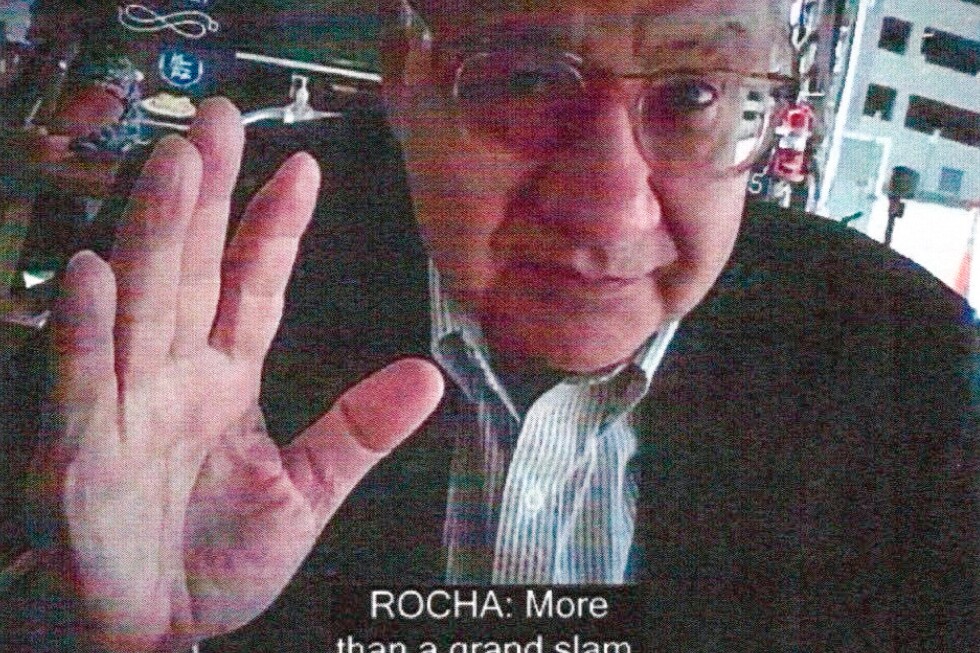
His dramatic fall from grace began in late 2023 when he was arrested following an FBI sting operation. During the investigation, Rocha was secretly recorded by an undercover agent referring to Fidel Castro as “El Comandante” and boasting about his clandestine activities, which he described as “more than a grand slam” against the American “enemy.”
According to court documents, Rocha’s involvement with Cuban intelligence dates back to 1973 when he attended a student program in Chile during socialist President Salvador Allende’s administration. Following that initial contact, Cuban handlers allegedly directed him to pursue master’s degrees at Harvard and Georgetown Universities—credentials that later helped secure his entry into the U.S. State Department.
The denaturalization effort hinges on prosecutors’ allegations that Rocha committed fraud during his 1978 citizenship application by falsely swearing under oath that he “believed in the U.S. Constitution” while concealing his affiliation with the Communist Party of Cuba.
“The Southern District of Florida helped take down one of the most prolific Cuban spies ever uncovered in the United States,” said U.S. Attorney Jason A. Reding Quiñones. “This civil denaturalization case is about finishing the job.”
The Justice Department faces a substantial legal burden in such cases, needing to present convincing evidence that Rocha obtained his citizenship illegally or through willful misrepresentation of material facts.
An Associated Press investigation into Rocha’s case revealed troubling oversights in the U.S. intelligence community. Nearly two decades ago, a longtime CIA operative reportedly warned that Rocha might be working as a double agent. Additionally, the CIA had intelligence as early as 1987 suggesting Fidel Castro had planted a “super mole” within the U.S. government, with some officials suspecting Rocha.
The case represents part of a broader trend in the Justice Department’s increased focus on denaturalization cases. Last year, the department issued internal guidance directing prosecutors to prioritize cases against individuals who “pose a potential danger to national security,” specifically mentioning terrorism and espionage.
This week, the Trump administration moved to denaturalize 11 other individuals accused of various serious crimes, including child sexual abuse and providing material support to terrorists. This marks a significant increase from the historical average of about a dozen denaturalization cases processed annually between 1990 and 2017.
Since his imprisonment, Rocha has been extensively debriefed by officials from the FBI, State Department, and CIA, as they work to determine the full extent of the damage caused by his espionage. Investigators are particularly interested in what classified information Rocha may have passed to Cuban intelligence during his decades-long career in sensitive diplomatic positions.
Rocha’s plea agreement on 15 federal counts earlier this year prevented a trial that might have exposed additional details about his activities as a Cuban agent. Many questions remain unanswered, including exactly when U.S. counterintelligence officials first suspected his dual loyalty and what specific intelligence he compromised during his extensive diplomatic career.
Fact Checker
Verify the accuracy of this article using The Disinformation Commission analysis and real-time sources.

9 Comments
This case is a sobering reminder that even those in the highest levels of government can sometimes be corrupted and turned against their own country. It’s crucial that we remain vigilant and have robust systems in place to detect and root out such treachery.
I agree completely. Maintaining the integrity of our diplomatic corps is essential for national security and global relations. Thorough vetting and ongoing monitoring are key to preventing such breaches in the future.
As an American, I’m deeply troubled by the thought of a US diplomat betraying their country in this way. Rocha’s actions represent a serious breach of national security and the public’s trust. Revoking his citizenship is the right move, in my opinion.
This is a very serious case of espionage and betrayal of trust. As a diplomat, Rocha had a duty to represent the interests of the United States, not a foreign adversary. Revoking his citizenship is a just and necessary action.
Wow, the details of Rocha’s long history of spying for Cuba are truly shocking. It’s disturbing to think that a high-ranking US diplomat was covertly working against his own country for decades. This case really highlights the need for robust counterintelligence efforts.
It’s good to see the US government taking strong action against Rocha. As a diplomat, he violated his oath of office and betrayed the public trust. Revoking his citizenship is a fitting punishment for his egregious crimes against the country he was supposed to represent.
Absolutely. Diplomatic immunity should not be a shield for those who engage in espionage and undermine national security. Rocha deserves to face the full consequences of his actions.
I’m curious to learn more about how the FBI was able to uncover Rocha’s espionage activities after all this time. What sort of evidence did they gather, and how did they finally catch him in the act? It must have been a complex and carefully executed investigation.
I’ll be following this story closely as it progresses. The details of Rocha’s espionage activities and the government’s efforts to strip his citizenship will be very interesting to learn about. This is a complex and high-stakes case.