


Listen to the article
Saudi airstrikes on Tuesday targeted a weapons shipment in Yemen’s port city of Mukalla that was reportedly destined for UAE-backed separatist forces, marking a significant escalation in the country’s complex civil war. The United Arab Emirates subsequently announced it would withdraw its forces from Yemen amid rising tensions with Saudi Arabia.
The attack comes after the Southern Transitional Council (STC), a UAE-supported secessionist group, seized control of most territories in the oil-rich provinces of Hadramout and Mahra earlier this month, including critical oil facilities and infrastructure.
This latest development threatens to further destabilize Yemen, which sits along a crucial international trade route, potentially introducing new risks to the Persian Gulf region where maritime security has already been compromised by Houthi attacks on commercial vessels.
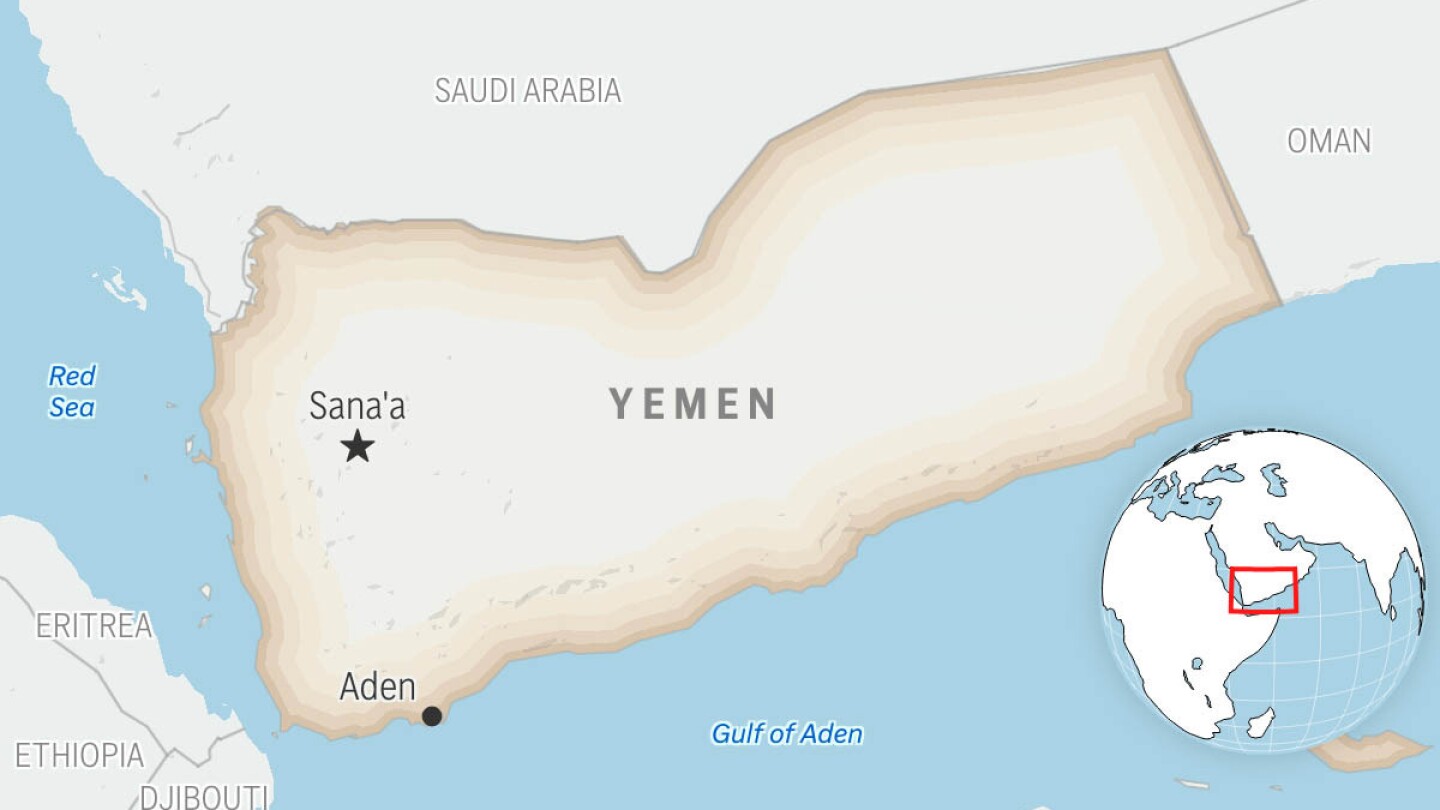
Yemen has been engulfed in civil war for more than a decade, characterized by sectarian conflicts and intervention from regional powers. The Iran-aligned Houthi rebels control the country’s most densely populated regions, including the capital Sanaa, while a coalition led by Saudi Arabia and the UAE has supported the internationally recognized government in the south.
The conflict has created one of the world’s worst humanitarian crises, devastating Yemen’s economy and infrastructure. Violence had gradually subsided since 2022 as the warring parties reached something of a stalemate, but the recent STC advances have upended the political arrangement among anti-Houthi partners.
The war began in 2014 when Houthi rebels advanced from their northern stronghold and captured Sanaa, forcing the internationally recognized government into exile. Saudi Arabia and the UAE entered the conflict the following year, aiming to restore the government.
The STC, established in 2017, is the most influential group in southern Yemen and advocates for the restoration of South Yemen as an independent state, as it existed between 1967 and 1990. Chaired by Aidarous al-Zubaidi, who also serves as vice president of the country’s Presidential Leadership Council, the STC has consolidated control over most of southern Yemen, including strategic port cities and islands.
Earlier this month, STC forces advanced into Hadramout province, taking control of PetroMasila, Yemen’s largest oil company, after brief clashes with government forces and their tribal allies. This offensive occurred after the Saudi-backed Hadramout Tribal Alliance had seized the same oil facility in late November, demanding a larger share of oil revenues and improved services for local residents.
The STC capitalized on this situation, expanding its territorial control by also seizing parts of Mahra province on the border with Oman and taking over the presidential palace in Aden, the seat of the ruling Presidential Council.
Saudi troops withdrew from bases in Aden earlier this month as part of what a Yemeni government official described as a Saudi “repositioning strategy.” On Friday, Saudi Arabia conducted airstrikes in the Hadramout region, widely interpreted as a warning for separatists to halt their advance and withdraw from Hadramout and Mahra.
Tuesday’s Saudi bombing of the UAE weapons shipment highlights the increasingly strained relationship between Riyadh and Abu Dhabi, which have backed competing factions in Yemen’s war despite being allies against the Iranian-backed Houthi rebels. While closely aligned on many regional issues, the two Gulf powers have increasingly competed over economic interests and political influence throughout the Middle East.
The UAE had stated earlier this month that Yemen’s governance and territorial integrity “is an issue that must be determined by the Yemeni parties themselves,” signaling a position that appeared to accommodate the separatist ambitions of the STC.
This escalation shatters the relative calm that had prevailed in Yemen recently, following a deal between the Houthis and Saudi Arabia that halted Houthi attacks on the kingdom in exchange for cessation of Saudi-led airstrikes on Houthi territories. The renewed fighting adds another layer of complexity to the already volatile Red Sea region, where Houthi attacks on shipping have triggered international military responses in recent months.
Fact Checker
Verify the accuracy of this article using The Disinformation Commission analysis and real-time sources.

11 Comments
This latest escalation in Yemen’s civil war is deeply troubling. The potential disruption to maritime security and critical trade routes is a serious concern that could have far-reaching economic and geopolitical consequences. A sustainable political solution must be the priority.
The potential for the conflict in Yemen to create wider tensions in the Gulf region is alarming. Maintaining the security of critical maritime trade routes should be a top priority for all stakeholders. Diplomatic efforts to de-escalate the situation and find a political resolution must be intensified.
The threat of the civil war in Yemen reigniting and creating wider tensions in the Gulf region is very worrying. The potential disruption to maritime security and trade routes could have severe economic and geopolitical consequences. Diplomatic efforts to find a political solution and prevent further escalation should be a top priority for all parties involved.
I agree, the stakes are incredibly high. The international community must work together to find a sustainable solution that addresses the root causes of the conflict and stabilizes the region. Failure to do so could have far-reaching implications.
The complex web of regional rivalries and sectarian conflicts in Yemen makes this a challenging situation to resolve. While the UAE’s withdrawal is concerning, it’s important to understand the nuances of the various factions and their shifting alliances.
You make a good point. The dynamics between the different parties involved are constantly evolving, which makes finding a lasting solution even more difficult. Careful analysis and a nuanced approach will be crucial going forward.
The escalation in Yemen is a concerning development that could have significant ramifications for the region. The involvement of regional powers like Saudi Arabia and the UAE, as well as the presence of Iran-aligned Houthi rebels, makes this a highly complex conflict to resolve. Careful navigation of the various interests and power dynamics will be crucial to achieve a lasting peace.
The escalating tensions in Yemen are concerning, as the civil war and regional power struggles could have serious implications for the vital trade route and the wider Gulf region. Careful diplomacy and a focus on de-escalation will be crucial to prevent further instability.
Agreed. The situation in Yemen is highly complex, with various factions and foreign actors involved. A political solution that addresses the underlying grievances and power dynamics is needed to end the conflict.
The attack on the weapons shipment highlights the fragility of the situation and the risk of the conflict spreading. It’s important that all parties exercise restraint and prioritize a peaceful resolution to avoid a wider regional crisis.
Absolutely. The withdrawal of UAE forces is a concerning development that could further destabilize the region. Continued international pressure and mediation efforts will be crucial to prevent the situation from spiraling out of control.