


Listen to the article
Yup’ik Language Program Provides Cultural Lifeline for Alaska Native Children Displaced by Typhoon
When Typhoon Halong devastated two remote Yup’ik villages along Alaska’s Bering Sea coast last month, it destroyed homes and infrastructure, forcing emergency evacuations that sent residents hundreds of miles away to Anchorage. Amid this upheaval, an unexpected source of comfort has emerged for the youngest evacuees: a Yup’ik language immersion program that’s helping children maintain cultural connections despite being displaced from their communities.
At College Gate Elementary in Anchorage, Principal Darrell Berntsen has welcomed students from Kipnuk and Kwigillingok, villages where Yup’ik is widely spoken. The school’s immersion program, where children spend half their instructional day learning in the Yup’ik language, has provided a rare sense of continuity for students suddenly uprooted from their homes.
“These children were already experiencing profound trauma from the disaster and relocation,” explains Berntsen. “Finding a school environment where their language and cultural practices are not only recognized but celebrated has been crucial for their adjustment.”
The program, one of only a handful of Alaska Native language immersion options in Anchorage’s school district, was established to help preserve Yup’ik, which like many Indigenous languages had faced declining numbers of speakers in recent decades. Now, it’s serving an unexpected emergency function as climate-related disasters increasingly impact Alaska Native communities.
For 10-year-old Rayann Martin, who fled Kipnuk with her family when floodwaters damaged their home, the transition to an urban school could have been overwhelming. Instead, she found herself able to communicate with teachers and continue learning in her native language. “I was scared about coming to a new school,” she says, “but when I heard people speaking Yup’ik in the hallway, I felt better.”
Ellyne Aliralria, another 10-year-old evacuee from Kipnuk, has quickly formed friendships with Anchorage students in the program. During a recent class session, she worked alongside new classmate Lilly Loewen on Yup’ik language worksheets, the two girls giggling as they helped each other with pronunciation.
Teacher Renee Avugiak, who grew up in Chefornak, a village near those damaged by the typhoon, has taken on a special role with the newly arrived students. “I understand what they’re going through,” says Avugiak. “When they can express themselves in Yup’ik, I see their anxiety lessen. Language is more than communication—it’s identity and comfort.”
The program’s walls feature traditional crafts, Yup’ik signage, and even the Pledge of Allegiance translated into Yup’ik. Students spend mornings immersed in the language, learning traditional knowledge alongside standard academic subjects, before transitioning to English instruction in the afternoon.
Climate scientists have long warned that Alaska’s western and northern regions face increasing threats from powerful storms and coastal erosion as sea ice diminishes and water temperatures rise. This makes the preservation of cultural knowledge even more urgent as communities face potential relocation.
Alaska has recognized 23 Alaska Native languages as official state languages since 2014, but many remain endangered despite revitalization efforts. The Yup’ik language, with roughly 10,000 speakers remaining, is one of the more widely spoken Alaska Native languages, though younger generations have been less likely to learn it as their first language.
Stephanie Wooten, another teacher in the program, notes that the arrival of the village students has benefited everyone. “Our Anchorage-raised students are hearing different dialects and expressions they wouldn’t normally encounter. It’s enriching the program for all of us.”
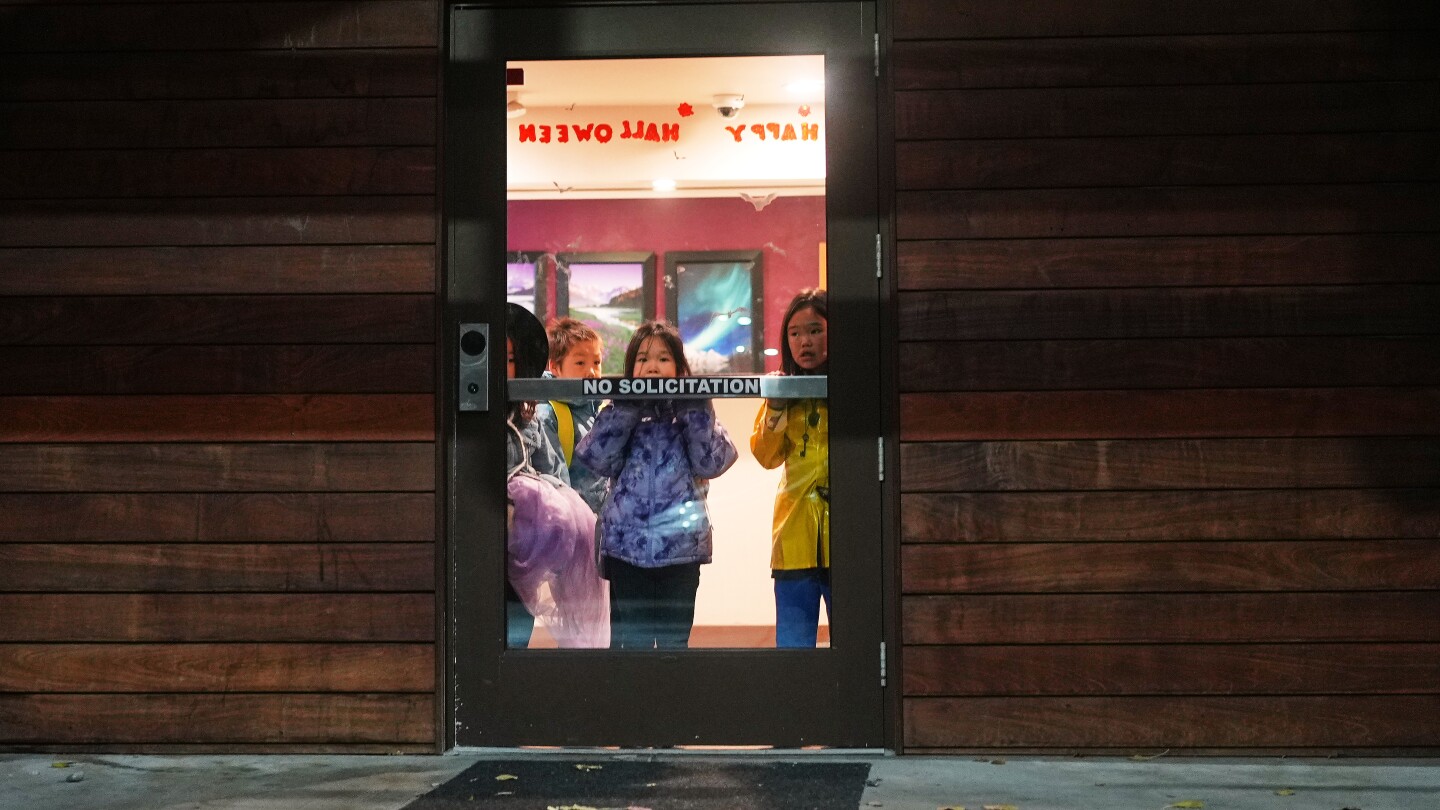
For now, the displaced families remain in temporary housing, including hotels throughout Anchorage. Each morning, Rayann and other children gather in hotel lobbies to board buses to College Gate Elementary, where their education continues in a language that connects them to ancestors and traditions.
“We don’t know when or if these families will return to their villages,” says Principal Berntsen. “But while they’re here, we can ensure these children don’t lose their language connection. It’s one small stability in a time of great change.”
The immersion program stands as a poignant reminder that language preservation efforts serve not just cultural purposes but can become critical lifelines when communities face displacement from their traditional lands.
Fact Checker
Verify the accuracy of this article using The Disinformation Commission analysis and real-time sources.

7 Comments
While the circumstances are tragic, it’s heartening to see how this unique program is helping the displaced Alaska Native children cope and stay connected to their heritage. Language and culture are such a vital part of one’s identity.
I’m curious to learn more about the specifics of the Yup’ik language immersion program and how it’s structured to provide a meaningful cultural experience for the students. It seems like an incredibly valuable resource in this situation.
Yes, I’d be interested to know more details as well. The fact that the school was able to quickly integrate these new students into the existing program is really impressive and speaks to its importance.
This is a great example of how preserving indigenous languages and cultural practices can make a real difference, even in the midst of crisis and displacement. It’s wonderful that these children have access to this kind of supportive program.
This is a heartwarming story about how the Yup’ik language immersion program is providing a vital cultural lifeline for Alaska Native children displaced by the typhoon. It’s impressive how the school is able to maintain this important connection for the students during such a difficult time.
The ability for these children to continue learning in their native language and practice their cultural traditions, even while displaced, must be incredibly comforting and stabilizing for them. It’s wonderful to see the school making this a priority.
Absolutely, maintaining that cultural continuity and sense of identity is so important, especially for young people going through trauma and upheaval. Kudos to the school for recognizing and supporting this.