


Listen to the article
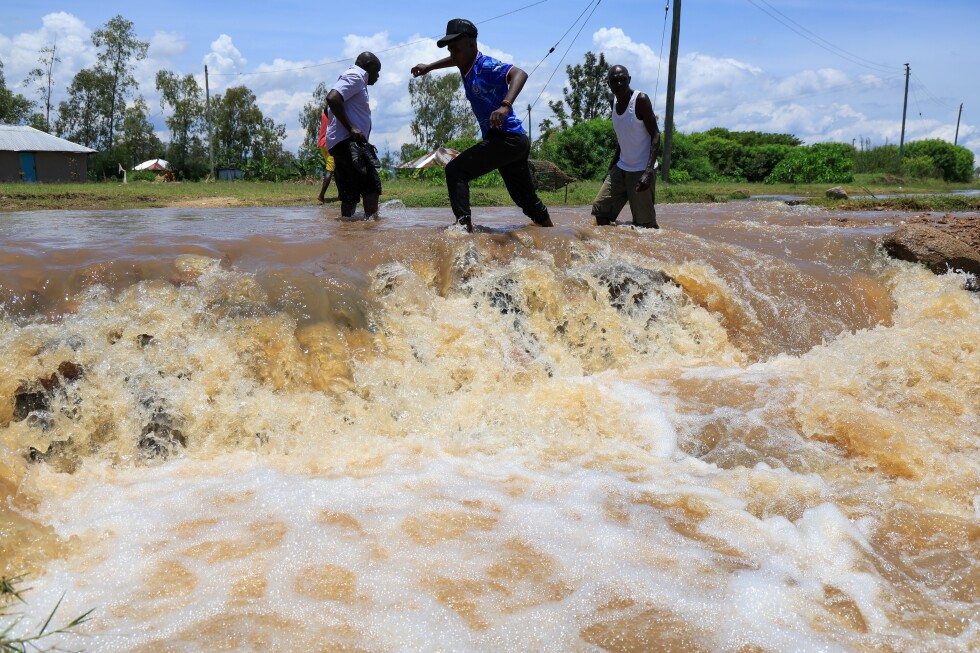
Kenya’s catastrophic flooding claimed 18 more lives over the past week as torrential rains continue to ravage the East African nation, police officials confirmed on Sunday. Most deaths resulted from drowning, highlighting the severity of a crisis that has escalated dramatically since March.
The Interior Ministry reports that more than 54,000 households across the country are now affected by the deluge, with 6,000 of those in the capital city of Nairobi. The human toll extends beyond immediate casualties, as thousands of families face displacement, property damage, and disruption to essential services.
Critical infrastructure has been severely impacted. Dozens of schools and healthcare facilities throughout Kenya are now submerged, compromising both education and medical services at a time when they are desperately needed. Transportation networks have been crippled with 17 roads rendered impassable, isolating communities and hampering relief efforts.
In western Kenya’s Rift Valley region, dangerous mudslides have forced thousands to flee their homes, adding to the growing humanitarian crisis. Authorities have issued urgent evacuation warnings to communities living downstream of the Tana and Athi rivers, Kenya’s major waterways, as water levels in the country’s hydroelectric dams reach alarming heights.
The situation appears unlikely to improve in the immediate future. The Kenya Meteorological Department has issued warnings that enhanced rainfall patterns are expected to continue through mid-May, potentially worsening conditions in already saturated regions.
This recent tragedy compounds an already dire situation that began with the onset of Kenya’s rainy season in March. By the end of that month, more than 100 people had already lost their lives to flooding and related disasters, bringing the current death toll to at least 118 since the crisis began.
The ongoing disaster reflects broader climate challenges facing East Africa. Climate scientists have linked the intensity of seasonal rains in the region to changing weather patterns that produce more extreme precipitation events. Kenya, with its varied topography and extensive river systems, is particularly vulnerable to flash flooding during heavy rainfall periods.
The economic impact extends beyond immediate damage to infrastructure and housing. Kenya’s agricultural sector, which employs approximately 40% of the total population and 70% of the rural population, faces severe disruption. Flooded farmlands threaten food security in a nation already dealing with challenges from drought in other regions.
Kenya’s government has mobilized emergency response teams, but the scale of the disaster is stretching resources thin. International humanitarian organizations are supporting evacuation and relief efforts, though access to remote communities remains challenging due to damaged transportation networks.
The country’s disaster management capabilities have been tested repeatedly in recent years as climate-related emergencies become more frequent. The current flooding crisis follows a prolonged drought that affected much of East Africa, illustrating the region’s vulnerability to climate extremes.
Public health officials are also raising concerns about waterborne diseases, particularly cholera and typhoid, which often follow flooding events. Contaminated water supplies and poor sanitation in displacement centers create ideal conditions for disease outbreaks.
As rescue and relief operations continue, authorities face the dual challenge of meeting immediate humanitarian needs while beginning to address longer-term recovery and resilience building. With several weeks of the rainy season still ahead, Kenya’s emergency services remain on high alert, preparing for the possibility of further deterioration in affected regions.
Fact Checker
Verify the accuracy of this article using The Disinformation Commission analysis and real-time sources.

10 Comments
This is a devastating tragedy for Kenya. My heart goes out to the families and communities impacted by these severe floods. The loss of life and disruption to critical infrastructure is deeply concerning. I hope emergency responders can reach affected areas and provide urgent relief.
This is a truly tragic situation unfolding in Kenya. The loss of life, displacement, and damage to infrastructure is devastating. I hope the Kenyan government and international aid agencies can move quickly to provide emergency relief and support long-term recovery efforts. Rebuilding will be a massive challenge, but helping affected communities must be the top priority.
This flooding disaster in Kenya is truly tragic. I’m very concerned about the impacts on vulnerable populations, especially the disruption to essential services like healthcare and education. Rebuilding critical infrastructure will be a massive undertaking, but the priority now must be saving lives and providing emergency relief.
The flooding crisis in Kenya is truly tragic. My condolences to the families who have lost loved ones. The scale of displacement, destruction, and disruption to education and healthcare is deeply concerning. I hope the international community can come together to provide urgent humanitarian aid and support long-term recovery efforts.
It’s tragic to see the death toll from these floods in Kenya continue to rise. Displacement, property damage, and disruption to essential services like schools and healthcare facilities – the cascading impacts of this disaster are deeply concerning. I hope the international community can rally to provide robust humanitarian aid and support recovery efforts.
The death toll and scale of displacement from these floods in Kenya is absolutely devastating. My heart goes out to the affected families and communities. I hope the international community can rally to provide robust humanitarian aid and support long-term recovery efforts to rebuild infrastructure and restore essential services.
Wow, the flooding situation in Kenya sounds like a major crisis. Eighteen lives lost and thousands displaced – the human toll is heartbreaking. I’m worried about the impacts on critical infrastructure, education, and healthcare access. Effective disaster response and rebuilding efforts will be crucial in the weeks and months ahead.
The scale of this flooding disaster in Kenya is truly alarming. Eighteen lives lost and thousands of families displaced – the human toll is heartbreaking. Authorities must act quickly to ensure safe shelter, clean water, and medical care reach those in need. Rebuilding critical infrastructure will be an immense challenge.
This is an awful situation unfolding in Kenya. The loss of life, displacement, and damage to critical infrastructure is heartbreaking. I hope the government and aid agencies can quickly mobilize emergency relief to support affected communities. Rebuilding will be a huge challenge, but the priority now must be saving lives and restoring basic services.
Wow, the flooding situation in Kenya sounds absolutely dire. Losing 18 lives and impacting over 54,000 households is devastating. I’m worried about the long-term impacts on infrastructure, education, and healthcare access. Effective disaster response and rebuilding efforts will be crucial in the weeks and months ahead.