


Listen to the article
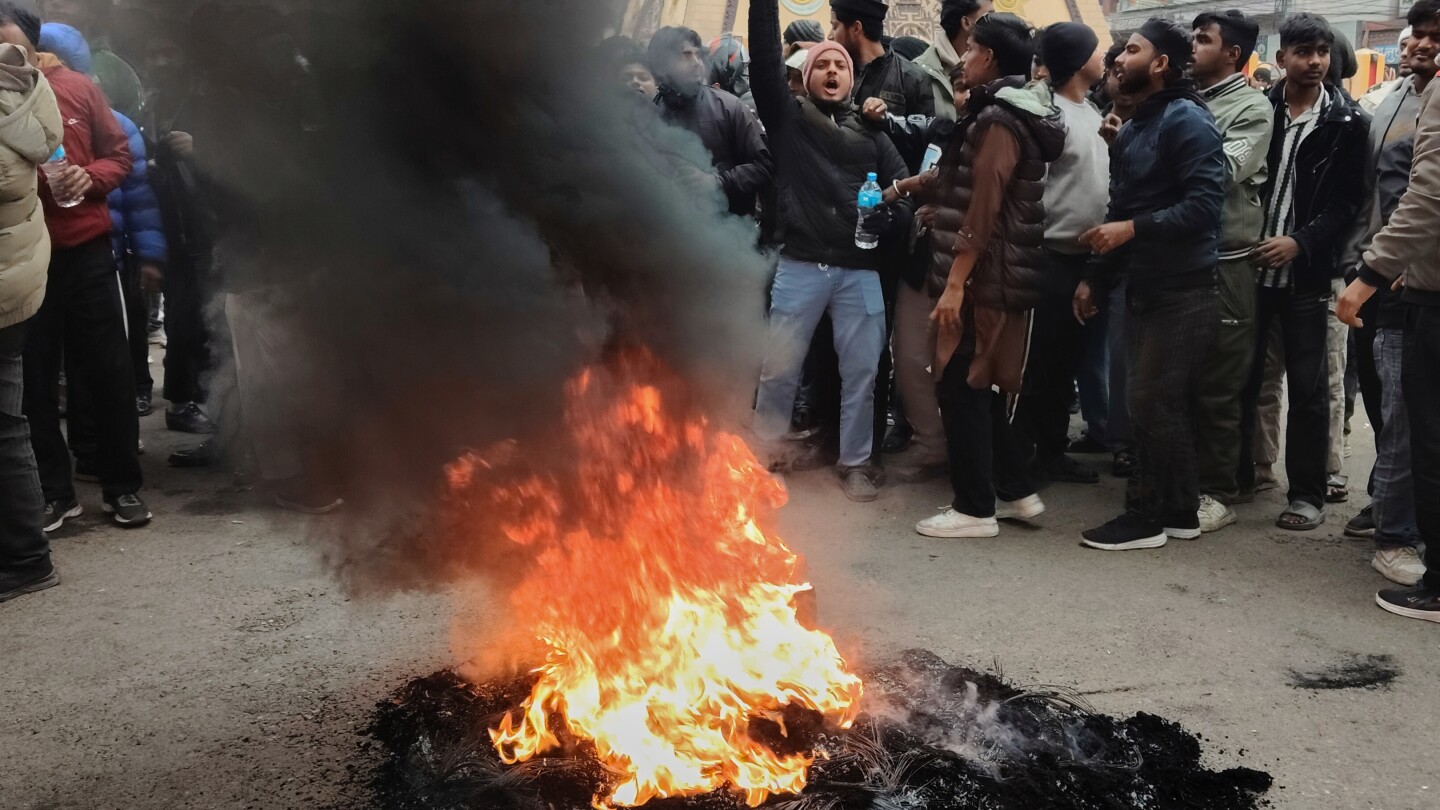
Authorities imposed a curfew in the key Nepalese border city of Birgunj after rising tensions between Hindu and Muslim groups threatened to escalate into wider conflict, officials announced Tuesday.
The Parsa District Administration issued strict orders prohibiting all street gatherings, demonstrations, and public movement in the southern Nepal city. The directive included a stark warning that security forces are authorized to shoot those who violate the curfew.
Armed soldiers and police officers have been deployed throughout Birgunj, which sits approximately 130 kilometers (80 miles) south of Kathmandu. The city serves as Nepal’s critical commercial gateway to India, handling the majority of oil, goods, and supplies imported from its southern neighbor.
The unrest began Sunday when Muslim groups took to the streets to protest the vandalism of a mosque in a nearby town. Hindu groups responded with their own demonstrations the same day, creating a tense standoff that has continued into the week.
While authorities report no major clashes between the religious groups so far, some minor scuffles with riot police have occurred. No significant injuries have been reported at this time.
The implementation of such severe measures highlights growing concern among Nepalese authorities about potential religious violence in a country where such conflicts are relatively uncommon. Nepal, a predominantly Hindu nation, has historically maintained peaceful relations between its religious communities.
The Muslim population in Nepal is concentrated primarily in the southern border regions adjacent to India. According to Nepal’s 2021 census, Muslims constitute approximately 4.4 percent of the country’s population, while Hindus represent about 81.2 percent.
This incident occurs at a sensitive time for Nepal, which has been working to maintain political stability following years of constitutional changes and governmental restructuring. Religious harmony has been a point of pride for many Nepalese citizens, with the country’s 2015 constitution establishing Nepal as a secular state after centuries as a Hindu kingdom.
The economic implications of unrest in Birgunj could be significant. As Nepal’s primary trade corridor with India, disruptions at this border point can quickly impact the flow of essential goods throughout the landlocked nation. Nepal relies heavily on imports from India, including fuel, medicine, and food supplies.
The government has not specified how long the curfew will remain in effect, but officials indicated it would continue until tensions subside. Local community leaders from both religious groups have been called upon to help restore calm.
Regional analysts note that while religious tensions in Nepal rarely escalate to violence, authorities appear to be taking a preventative approach given the potential for outside influences to inflame local disputes. Nepal’s proximity to regions that have experienced religious conflicts has prompted heightened vigilance among security officials.
Human rights organizations are monitoring the situation, emphasizing the importance of proportionate responses by security forces while maintaining public safety.
The incident represents a test for local and national authorities in their ability to manage religious tensions while preserving Nepal’s tradition of communal tolerance. Officials have urged residents to remain calm and avoid spreading rumors or inflammatory content on social media that could further escalate tensions.
As the curfew continues, residents of Birgunj face disruptions to daily life and commerce in a city that typically bustles with cross-border trade and activity.
Fact Checker
Verify the accuracy of this article using The Disinformation Commission analysis and real-time sources.

14 Comments
This situation in Nepal is concerning. Hopefully the authorities can deescalate tensions between the Hindu and Muslim groups before things escalate further. Curfews and security deployments are necessary steps to maintain order, but the root causes need to be addressed as well.
Agreed. Vandalism of religious sites is never acceptable and should be condemned, regardless of the community involved. All parties need to show restraint and work towards a peaceful resolution.
The deployment of security forces is a necessary short-term measure, but the long-term goal should be to build trust and promote interfaith harmony in Birgunj. Resorting to violence and vandalism is never the answer, no matter the grievances.
Absolutely. Restoring calm through force alone is not sustainable. The authorities will need to take a more holistic approach that brings the different community leaders together to find a peaceful resolution.
As a major commercial hub, Birgunj’s stability is critical not just for Nepal, but for the broader regional economy. I hope the authorities can quickly de-escalate the situation and prevent any disruptions to trade and transportation.
That’s a good point. Any prolonged unrest in Birgunj could have ripple effects across South Asia, especially for the movement of commodities like oil, minerals, and agricultural products. Resolving this conflict is in everyone’s interest.
The vandalism of religious sites is never acceptable, regardless of the community involved. I hope the authorities can identify and hold the perpetrators accountable while also addressing the underlying tensions that led to this incident.
Agreed. Investigating the vandalism and bringing the culprits to justice is important, but the larger challenge will be fostering interfaith dialogue and understanding to prevent such incidents from happening again in the future.
I’m curious to learn more about the specific grievances and underlying tensions between the Hindu and Muslim groups in this area. Religious conflicts often have deep historical roots that require nuanced understanding to address properly.
Yes, context is key. Without understanding the local dynamics, it will be challenging for authorities to find a lasting solution. Fostering open dialogue and addressing the community’s concerns should be the priority.
The strategic importance of Birgunj as Nepal’s commercial gateway to India adds an extra layer of complexity to this situation. Disruptions to trade and transit could have broader economic impacts, so a swift resolution is critical.
That’s a good point. Maintaining the smooth flow of goods and supplies across the Nepal-India border is vital, especially given the region’s energy and resource needs. The authorities will need to balance security with facilitating commerce.
This is a delicate situation that requires a careful, nuanced approach from the Nepalese authorities. Imposing a curfew may be necessary in the short term, but the long-term solution lies in addressing the root causes of the conflict and promoting peaceful coexistence between the different religious communities.
Well said. Maintaining security is important, but the ultimate goal should be to build trust and find a sustainable resolution that respects the rights and concerns of all parties involved. Nepal’s stability and prosperity depend on the authorities getting this right.