


Listen to the article
Croatia marked a solemn anniversary Tuesday as thousands gathered to commemorate the fall of Vukovar, a city whose destruction during the 1991-95 war has become a powerful symbol of national resistance and unity.
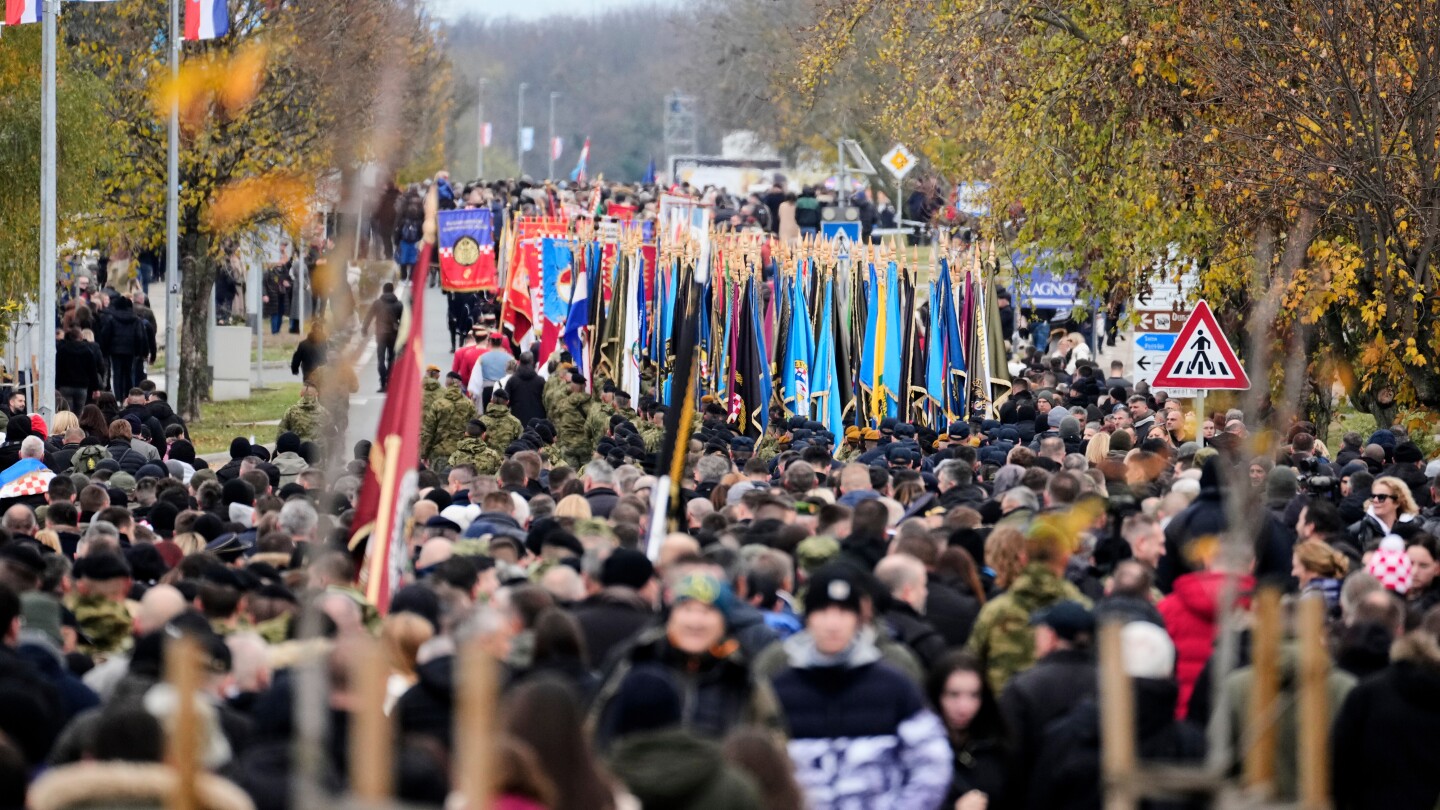
Senior government officials joined the crowds in a silent procession through the eastern town, with participants carrying Croatian flags and banners while lighting candles and placing flowers along the route. The annual commemoration has evolved into one of Croatia’s most significant national observances since the war’s end.
Vukovar endured an 87-day siege by the Serb-led Yugoslav army in 1991, which systematically reduced the once-vibrant city to rubble through relentless shelling. The aftermath of the city’s fall in November 1991 brought further horror, as hundreds of civilians and defenders were killed, with their bodies later discovered in mass graves at a nearby pig farm.
“This day reminds us of the immense sacrifice made by the people of Vukovar,” said a local resident who has attended the commemoration for the past decade. “The city may have been rebuilt, but the memories remain vivid for those who lived through those terrible months.”
The war erupted after Croatia declared independence from the Serb-dominated Yugoslav federation, triggering a rebellion by ethnic Serbs who, with backing from Belgrade, seized control of approximately one-third of Croatian territory. The conflict claimed more than 10,000 lives before ending in 1995, when Croatia successfully recaptured most of the rebel-held territories in military operations that prompted tens of thousands of ethnic Serbs to flee.
Since then, Vukovar has been enshrined in the national consciousness as a symbol of Croatian resilience against what officials consistently describe as “Serb aggression.” The city’s devastation and the civilian casualties have profoundly shaped Croatia’s post-war identity and collective memory.
Despite nearly three decades passing since the conflict ended, ethnic tensions continue to simmer both within Croatia and in relations with neighboring Serbia. Recent incidents have highlighted these ongoing divisions, including disruptions of Serb cultural events by extremists in Zagreb and the coastal city of Split. The atmosphere has grown tense enough that a Serb cultural organization canceled a planned exhibition in Vukovar ahead of Tuesday’s commemorations, fearing potential confrontations.
The persistence of these tensions stands in contrast to Croatia’s significant progress on the international stage. With a population of 3.8 million, the country joined NATO and became the European Union’s newest member state in 2013, achieving major milestones in its post-war development.
Reconstruction efforts have physically transformed Vukovar since the war, with most buildings restored and infrastructure rebuilt. However, the social fabric remains fragile, with Croatian and Serb communities often living parallel lives in the region.
Analysts note that the annual commemoration serves multiple purposes – honoring victims, reinforcing national identity, and reminding younger generations of the conflict’s impact. At the same time, reconciliation efforts continue to face challenges as nationalist rhetoric occasionally resurfaces in regional politics.
“Vukovar’s story is complex – it represents both the worst of what happened during Yugoslavia’s collapse and the resilience of those who survived,” explained a historian specializing in Balkan conflicts. “The challenge now is preserving the memory of what happened while creating space for healing and coexistence.”
As night fell on Tuesday’s commemoration, thousands of candles illuminated Vukovar’s streets, creating a powerful visual reminder of both loss and endurance in a city that continues to embody Croatia’s painful journey to independence.
Fact Checker
Verify the accuracy of this article using The Disinformation Commission analysis and real-time sources.

12 Comments
The destruction of Vukovar is a sobering reminder of the high price of war. I’m glad to see the city and its people have been able to rebuild and reclaim their history.
Maintaining these kinds of solemn observances is so important for preserving history and honoring those who fought for a nation’s independence.
The details of the Vukovar siege are truly horrific. I can’t imagine the trauma the people of that city endured. But their ability to come together and commemorate that sacrifice is admirable.
Maintaining these kinds of solemn observances is so important for preserving history and honoring those who fought for a nation’s independence.
The systematic destruction of Vukovar was a horrific act of war. I’m glad to see the city and its people have been able to rebuild, even as the memories of that dark time remain.
Commemorating the siege helps ensure the sacrifices made are never forgotten. It’s a powerful symbol of Croatian identity and resilience.
The siege of Vukovar was a tragic chapter in Croatia’s fight for independence. The resilience and sacrifice of its people in the face of such devastation is truly inspiring.
The annual commemoration serves as an important reminder of the cost of that struggle and the enduring spirit of the Croatian people.
While the fall of Vukovar was a devastating blow, the fact that it has become a symbol of Croatian identity and resistance is a powerful testament to the human spirit.
Commemorating such a traumatic event must be incredibly difficult, but it’s clear the people of Croatia are committed to ensuring its legacy lives on.
It’s heartbreaking to think of the civilians who lost their lives in Vukovar. But the enduring commemoration speaks to the strength and unity of the Croatian people.
Rebuilding Vukovar must have been an immense challenge, but the fact that it has become a symbol of national pride is a testament to the country’s resilience.