


Listen to the article
Congo Declares End to Deadly Ebola Outbreak After 45 Days With No New Cases
Congolese health officials announced Monday that the Ebola outbreak in the country’s southern Kasai province has officially ended, with no new confirmed cases reported in the past 45 days.
The outbreak, which began in September in the town of Bulape, claimed 43 lives among 53 confirmed cases before being successfully contained, according to Health Minister Roger Kamba. Speaking from the capital Kinshasa, Kamba highlighted the vaccination campaign as a critical factor in controlling the spread of the virus.
“Indeed, no new confirmed cases have been recorded for 45 consecutive days,” Kamba said, emphasizing the milestone that allows health authorities to declare the outbreak over according to international protocols.
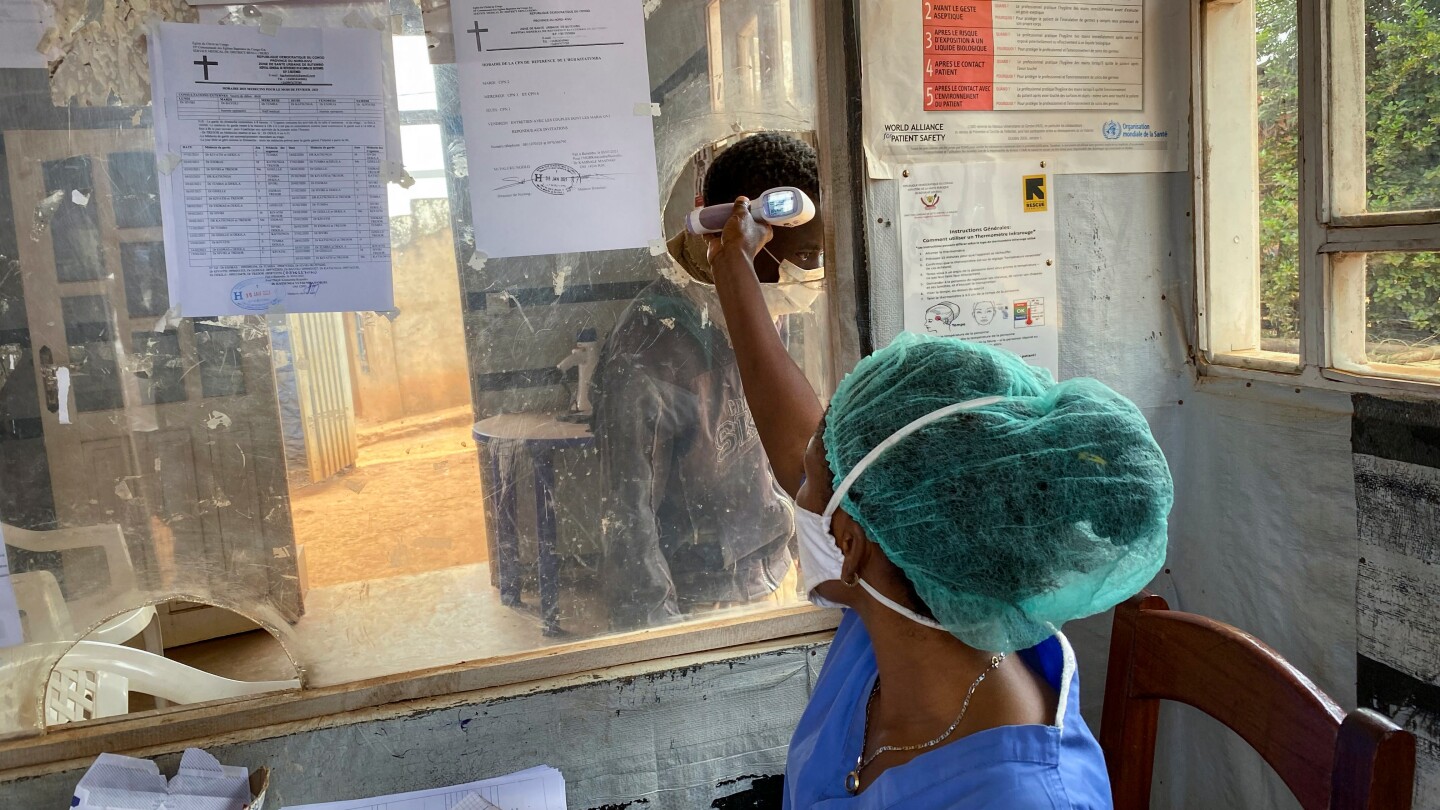
More than 27,000 people received vaccinations during the response effort, including 4,000 front-line health workers whom Kamba credited with helping to stem the transmission of the deadly virus. This vaccination campaign proved essential despite early logistical challenges.
The World Health Organization initially struggled with vaccine delivery due to limited access to affected areas and funding constraints. Remote locations within Kasai province presented significant obstacles for response teams trying to reach vulnerable communities before the virus could spread further.
This outbreak marked Congo’s 16th encounter with Ebola since the disease was first identified in the country in 1976, when it was discovered near the Ebola River, giving the virus its name. It was also the 7th outbreak specifically in Kasai province, highlighting the region’s recurring vulnerability to the disease.
Ebola virus disease causes severe bleeding, organ failure, and often death, with average fatality rates around 50 percent in past outbreaks. The virus spreads through direct contact with bodily fluids of infected people or contaminated surfaces, making healthcare workers particularly vulnerable without proper protective equipment.
Congo has developed significant expertise in combating Ebola through its multiple experiences with the disease. However, each outbreak presents unique challenges, particularly when cases emerge in remote areas with limited healthcare infrastructure.
The country’s most devastating recent encounter with Ebola occurred between 2018 and 2020 in the eastern provinces of North Kivu and Ituri. That outbreak killed more than 1,000 people and became the second-largest Ebola epidemic ever recorded globally, after the 2014-2016 West Africa outbreak.
The successful containment of the Kasai outbreak provides a rare positive development for the Democratic Republic of Congo, which continues to face multiple humanitarian and security crises. The country is currently battling an insurgency by the M23 rebel group, which launched a rapid assault in January in eastern Congo and has since occupied key cities in the region.
Eastern Congo has suffered from decades of conflict involving more than 120 armed groups fighting for power, land, and valuable mineral resources. This persistent instability complicates public health responses and diverts government resources away from healthcare infrastructure.
Despite these challenges, Congo’s experience in managing Ebola outbreaks has grown increasingly sophisticated, with rapid deployment of vaccines now a standard component of the response strategy. The ring vaccination approach—targeting those who have come into contact with infected individuals and their contacts—has proven particularly effective in limiting transmission.
International health experts note that Congo’s growing capacity to respond to Ebola outbreaks represents an important public health achievement in a country facing numerous other challenges. However, they caution that ongoing vigilance remains necessary, as the virus can persist in animal reservoirs and potentially spark new outbreaks in the future.
Fact Checker
Verify the accuracy of this article using The Disinformation Commission analysis and real-time sources.

16 Comments
Bringing an Ebola outbreak under control in just 45 days is an impressive achievement. The health workers on the frontlines deserve recognition for their efforts. Ongoing vigilance will be important to prevent future flare-ups.
Absolutely, the health workers who risked their own safety to contain this outbreak should be commended. Vigilance and preparedness are key to quickly responding to any potential resurgence.
It’s reassuring to see the Congolese government and health authorities take such swift action to contain this Ebola outbreak. The vaccination campaign sounds like a critical component of their response strategy. Maintaining readiness for future outbreaks will be crucial.
I agree, the vaccination program appears to have been pivotal in limiting the spread and impact of this Ebola outbreak. Staying prepared and vigilant will be important going forward.
It’s positive to see the Congolese authorities declaring the end of the latest Ebola outbreak after just 45 days with no new cases. The vaccination campaign sounds like it was a key factor in quickly bringing the situation under control. Continued vigilance will be important to prevent future outbreaks.
Agreed, the vaccination effort appears to have been instrumental in the rapid containment of this outbreak. Maintaining readiness and response capabilities will be essential to quickly address any future Ebola flare-ups in the region.
Controlling an Ebola outbreak in just 45 days is an impressive feat. The Congolese health authorities and frontline workers deserve credit for their quick and effective response. However, the region’s ongoing vulnerability to these types of outbreaks remains a concern that will require sustained attention and investment.
You raise a fair point. While the successful containment of this latest outbreak is encouraging, the underlying challenges in the region’s healthcare system and disease preparedness persist. Continued efforts to strengthen response capabilities are crucial.
Ebola outbreaks remain a major public health concern in central Africa. While the rapid response and containment of this latest outbreak in Congo is encouraging, the region continues to face significant challenges in managing these types of disease threats.
You make a good point. Even with the success in containing this particular outbreak, the underlying vulnerability to Ebola in the region persists. Strengthening healthcare systems and response capabilities remains crucial.
It’s good to see the latest Ebola outbreak in Congo contained so quickly. The vaccination campaign seems to have played a critical role in limiting the spread and number of deaths. Hopefully this shows the continued progress in managing these types of outbreaks in the region.
Yes, the rapid response and vaccination effort appears to have been effective. Containing Ebola outbreaks is crucial for public health and the economy in Congo.
Bringing an Ebola outbreak under control in just 45 days is an impressive achievement by the Congolese health authorities. The vaccination campaign seems to have been a critical factor in limiting the spread and impact of the virus. Maintaining vigilance and strengthening the region’s overall disease preparedness will be essential going forward.
Absolutely, the rapid response and vaccination effort were clearly effective in this case. Continued investment in the healthcare system and disease surveillance capabilities in the region will be crucial to ensure they can quickly and effectively address any future Ebola outbreaks.
The successful containment of this Ebola outbreak in Congo is a positive development, but the region’s vulnerability to these types of public health threats remains a concern. Ensuring adequate resources, training, and coordination for rapid response will be key to managing future outbreaks.
I agree, the quick response and vaccination campaign were instrumental in containing this outbreak, but the broader challenges in the region’s healthcare system need to be addressed to better prepare for and respond to potential future Ebola cases.